Al-Shabab vs Al-Nassr: Rivalry, Tactics, and Saudi Football’s Future
“`html
Al-Shabab vs Al-Nassr: A Clash of Styles and Ambitions
The Saudi Pro League has become a battleground for contrasting footballing philosophies this season. On one side stands Al-Shabab, a club with deep roots in Riyadh’s football culture, and on the other, Al-Nassr, the glamorous superclub bankrolled by global icons. Their recent meetings have offered more than just three points—they’ve revealed tactical contrasts, financial disparities, and the evolving identity of Saudi football itself.
When these two sides meet, the match transcends a simple fixture. It becomes a narrative of tradition versus modernity, local pride versus international ambition. Al-Shabab, founded in 1947, represents continuity and local identity, while Al-Nassr, established in 1955 but now backed by investors like Cristiano Ronaldo and others, embodies the league’s push toward global recognition. Their latest encounters have not only shaped league standings but also influenced how Saudi clubs are perceived beyond the Middle East.
The Historical Rivalry: More Than Just a Local Derby
Al-Shabab and Al-Nassr have shared Riyadh’s football landscape for decades. While Al-Nassr has historically been the more decorated side—with nine league titles to Al-Shabab’s six—the rivalry has often been defined by competitive balance rather than one-sided dominance. Matches between the two have been tense, tactical, and frequently decided by fine margins.
One of the defining features of this rivalry is its unpredictability. Unlike derbies in Europe where historical weight often dictates outcomes, meetings between Al-Shabab and Al-Nassr have swung based on form, injuries, and managerial decisions. In the 2022–23 season, for instance, Al-Nassr secured a crucial 2–1 win at home, but Al-Shabab responded with a 1–0 victory in the return fixture, highlighting the evenly matched nature of the contest.
This parity has made their encounters particularly compelling. Fans of both clubs know that regardless of league position or recent form, these matches can produce drama. The psychological edge often plays a role—Al-Shabab, fighting for respect among the capital’s big three, sees these games as opportunities to prove they belong. Meanwhile, Al-Nassr, with its star-studded squad, approaches each match as a chance to assert dominance and silence doubters who question their consistency.
Tactical Contrasts: Pragmatism Meets Star Power
The tactical approaches of both clubs reflect their broader identities. Al-Shabab, under managers like Marius Șumudică and later Hernán Crespo, has often adopted a disciplined, counter-attacking style. Their system relies on quick transitions, solid defensive organization, and efficient use of set pieces. This approach has made them difficult to break down, especially in front of their own fans at the Prince Faisal bin Fahd Stadium.
In contrast, Al-Nassr’s recent iterations under coaches like Rui Vitória and now Luís Castro have prioritized possession, pressing, and vertical transitions. The arrival of Cristiano Ronaldo in January 2023 transformed their attack into a spectacle of individual brilliance coupled with structured movement. While Al-Shabab’s football may lack the glamour of a Ronaldo dribble or a Benzema finish, their effectiveness lies in their collective resilience and tactical awareness.
This tactical divide was evident in their most recent meeting in March 2024. Al-Nassr dominated possession, racking up a 68% share, but struggled to convert their chances against a resolute Al-Shabab backline. The match ended 0–0, a result that frustrated Al-Nassr’s ambitions but reinforced Al-Shabab’s defensive identity. For neutrals, it was a reminder that in football, style does not always dictate outcome—execution and opportunity often do.
Financial Disparities and Squad Composition
The contrast between the two clubs extends beyond tactics and into their financial structures. Al-Nassr’s budget, bolstered by sponsorships from entities like the Public Investment Fund and personal investments from Ronaldo, has allowed them to assemble a squad packed with international stars. Players such as Sadio Mané, Aymeric Laporte, and Marcelo Brozović have donned the Al-Nassr jersey, giving the club a global appeal that few Saudi clubs can match.
Al-Shabab, while not financially impoverished, operates with a more modest budget. Their squad is a blend of experienced Saudi internationals and promising young talents developed through their academy. Players like Fahad Al-Muwallad and Abdullah Al-Shammeri have been instrumental in their recent campaigns, offering a blend of local talent and tactical intelligence.
This financial disparity raises questions about the sustainability of the Saudi Pro League’s current model. While clubs like Al-Nassr are positioned to compete for continental titles in the AFC Champions League, teams like Al-Shabab serve as a reminder of the importance of youth development and local identity. The league’s future may depend on balancing these two approaches—celebrating star power while nurturing homegrown talent.
Fan Culture and Atmosphere: The Soul of the Derby
Football is as much about passion as it is about performance, and the fans of Al-Shabab and Al-Nassr bring distinct energies to their derby matches. Al-Shabab supporters, known for their loyalty and vocal presence, often fill the stadium with chants that reflect the club’s working-class roots. Their support is rooted in tradition, with generations of families passing down their allegiance to the club.
Al-Nassr, on the other hand, has cultivated a more cosmopolitan fanbase. The arrival of Cristiano Ronaldo and other global stars has attracted international attention, including expatriate communities in Riyadh. While this has elevated the club’s profile, some traditionalists worry that the essence of local fandom is being diluted by commercial interests.
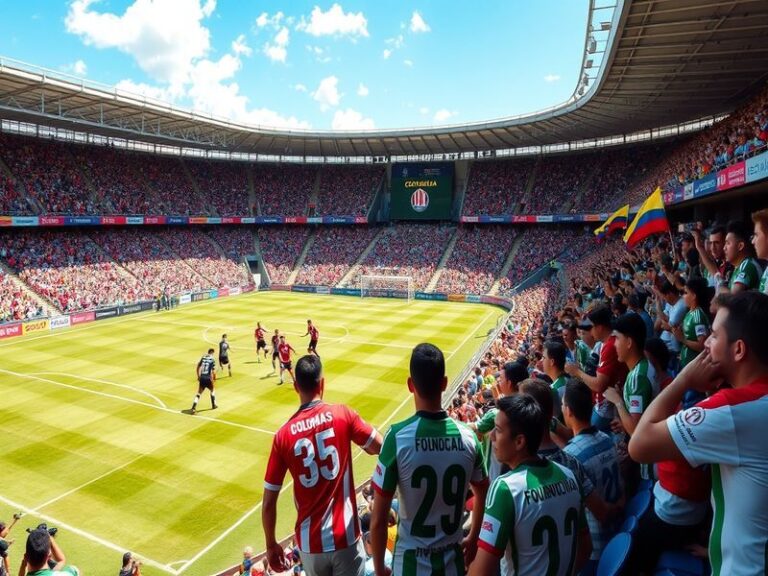
The atmosphere during these derbies is electric. The Prince Faisal bin Fahd Stadium becomes a cauldron of noise, with both sets of fans creating an immersive experience. The chants, banners, and sheer intensity reflect the cultural significance of these matches—not just as sporting events, but as social gatherings that strengthen community bonds.
What’s Next for Both Clubs?
As the Saudi Pro League continues to evolve, the trajectories of Al-Shabab and Al-Nassr offer contrasting narratives. Al-Nassr is clearly aiming for continental glory, with ambitions to compete in the AFC Champions League and potentially beyond. Their recent signings and managerial appointments suggest a long-term vision that prioritizes both domestic dominance and international prestige.
Al-Shabab, meanwhile, is focused on consolidating their position among Saudi football’s elite. Their challenge is to balance financial constraints with competitive success. The club’s academy remains a cornerstone of their strategy, and if they can continue to produce talent while maintaining a strong first team, they could become a model for sustainable football development in the region.
Looking ahead, their next encounter will be eagerly anticipated. Will Al-Nassr’s star power finally break through against Al-Shabab’s defensive resolve? Or will the underdogs once again defy expectations? One thing is certain: these matches will continue to shape the narrative of Saudi football, offering insights into its past, present, and future.
For fans of both clubs, the rivalry remains a source of pride, passion, and endless debate. Whether it’s a tactical masterclass or a scrappy late winner, the Al-Shabab vs Al-Nassr derby delivers football that transcends the scoreboard.
As Saudi football continues its rise on the global stage, clashes like these remind us that the heart of the game lies not just in the stars on the pitch, but in the clubs and communities that give it meaning. Explore more on Sports or dive into football analysis on Dave’s Locker.