Arsenal Parade: A Global Celebration of Football Culture
The Arsenal Parade is more than a procession—it’s a cultural marker, a moment when sports, community, and tradition intertwine. Unlike a typical victory march, this event captures the emotional resonance of football beyond the pitch. It reflects how a club’s identity extends into the streets, shaping local pride and global fan engagement.
Arsenal Football Club, founded in 1886, has long been a symbol of resilience and style in English football. The parade tradition emerged as a way to honor achievements, but it has evolved into a spectacle that blends history, fandom, and public celebration. From London’s Highbury to the Emirates Stadium, these parades offer a rare glimpse into the heartbeat of a club deeply embedded in its community.
The Origins and Evolution of the Arsenal Parade
The concept of a club parade traces back to early 20th-century English football, where local teams celebrated league titles with open-top bus tours. Arsenal’s first notable parade occurred in 1971 after the club secured the First Division title under manager Bertie Mee. That event set a precedent, though it was modest compared to modern displays.
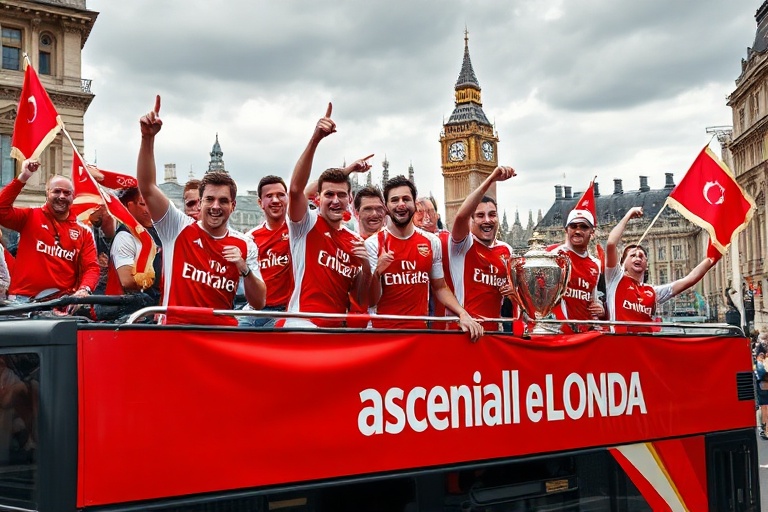
By the late 1990s and early 2000s, the parade had transformed into a multimedia spectacle. The 2002 double-winning season under Arsène Wenger saw thousands line the streets of Islington, waving red and white flags. The parade became a platform for fans to interact directly with players, creating an unscripted, communal experience.
Today, the Arsenal Parade is meticulously organized yet retains an organic feel. It typically includes:
- A route through central London, often ending at Emirates Stadium
- Open-top buses carrying players, coaching staff, and sometimes legends
- Fan zones with live entertainment and merchandise stalls
- Social media integration, encouraging global participation
Cultural Significance: More Than Just a Victory Lap
Football clubs are cultural institutions, and Arsenal’s parade exemplifies how sports transcend athletics. In cities like Buenos Aires or Naples, similar parades follow league wins, but each carries local flavor. For Arsenal, the event is distinctly London—mixing Cockney rhythms with modern football culture.
Historically, football parades have served as moments of catharsis. After World War II, clubs like Liverpool and Manchester United used them to rebuild community spirit. Arsenal’s parades, particularly after the Invincibles’ 2003-04 unbeaten season, became a symbol of post-millennium optimism in a city still recovering from economic shifts.
Globalization has amplified the parade’s reach. Arsenal’s international fanbase engages through live streams and social media, turning a local event into a worldwide phenomenon. The club’s social media team often curates highlights, ensuring fans in Asia, Africa, and the Americas feel connected.
The Fan Experience: Why These Parades Matter
For supporters, the Arsenal Parade is a pilgrimage. It’s a chance to stand shoulder-to-shoulder with fellow fans, often spanning generations. Families bring children who will later recount the day they “saw the team up close.” The parade becomes a shared memory, a story retold in pubs and forums for years.
Economically, the event boosts local businesses. Pubs along the route see a surge in sales, while street vendors sell unofficial merchandise. The ripple effect extends beyond matchday—hotels book up months in advance, and tourism boards highlight the parade in city guides.
Yet, the experience isn’t uniform. Longtime season ticket holders recall when parades were smaller, more spontaneous. Modern iterations, while grander, sometimes feel staged. The balance between spectacle and authenticity remains a topic of debate among fans.
Global Parallels: Football Parades Around the World
Arsenal’s parade is part of a broader tradition seen in leagues worldwide. In Argentina, Boca Juniors’ fans flood La Bombonera’s surrounding streets after a title, blending music and fireworks. Meanwhile, in Germany, Borussia Dortmund’s parades in Dortmund’s city center draw over 250,000 people, turning the entire downtown into a sea of yellow.
Italian clubs like Juventus and Inter Milan hold parades in Turin and Milan, respectively, though often with less fanfare than their South American counterparts. The contrast highlights cultural attitudes toward public celebration—Latin America embraces exuberance, while Northern Europe leans toward understated pride.
Even in non-football nations, similar traditions exist. The New Zealand All Blacks rugby team’s haka tours include public parades, demonstrating how sports cultures adapt global traditions to local contexts. Arsenal’s event, then, is both unique and part of a universal language of victory.
Looking Ahead: The Future of Arsenal’s Celebrations
As football evolves, so too will the Arsenal Parade. Climate concerns may push for greener routes, while digital innovation could introduce augmented reality elements for remote fans. The club’s move toward sustainability might also influence parade logistics—perhaps electric buses or carbon-offset initiatives.
One thing remains certain: the parade will endure because it fulfills a fundamental human need—to belong. In an era of digital isolation, these moments of collective joy are invaluable. Arsenal’s parade reminds us that football is not just about goals and trophies; it’s about people and place.
For fans old and new, the next parade will be more than an event—it will be a continuation of a story that began over a century ago. And as long as Arsenal exists, the streets of London will echo with chants, laughter, and the unmistakable sound of celebration.
Explore more on football culture: Check out our Sports section for analysis on global football trends.
Want deeper insights? Visit our Analysis page for thoughtful commentary on sports and society.