Bandar Abbas: Gateway to Iran’s Maritime Legacy and Modern Trade Hub
Nestled along the northern coast of the Strait of Hormuz, Bandar Abbas stands as Iran’s most vital port city. With a history stretching back over 300 years, this coastal metropolis has evolved from a modest fishing village into a bustling urban center that shapes the country’s economic and geopolitical narrative. Its strategic location makes it a linchpin in regional trade, connecting the Middle East to South Asia and beyond. Yet, beyond its commercial significance, Bandar Abbas is a city of contrasts—where ancient bazaars coexist with modern infrastructure, and where the echoes of history blend with the hum of contemporary industry.
The city’s name itself carries historical weight. Originally known as Gamrūn during the Portuguese occupation in the 16th century, it was later renamed Bandar Abbas in honor of Shah Abbas I, the Safavid ruler who reclaimed the port in 1614. This act of reclaiming sovereignty marked the beginning of Bandar Abbas’ rise as a key player in the Persian Gulf’s maritime trade. Today, the city remains a testament to Iran’s enduring relationship with the sea, balancing tradition with the demands of a globalized economy.
The Port That Powers Iran’s Economy
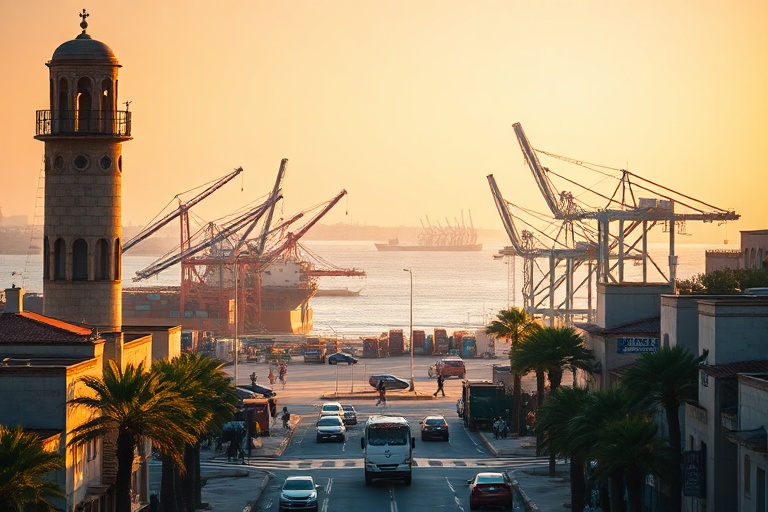
Bandar Abbas Port is the heartbeat of the city’s economy. As the country’s largest port by cargo volume, it handles millions of tons of goods annually, including oil, minerals, and manufactured products. The port’s facilities span over 20 kilometers of coastline, equipped with state-of-the-art cranes, container terminals, and free trade zones that attract international businesses. According to recent reports, the port accounts for nearly 40% of Iran’s total seaborne trade, underscoring its indispensable role in the nation’s supply chain.
One of the port’s most notable features is the Shahid Rajaei Terminal, a deep-water facility capable of accommodating some of the world’s largest vessels. This terminal alone processes a significant portion of Iran’s containerized cargo, linking the country to global shipping routes that stretch from Europe to Southeast Asia. The port’s strategic importance is further amplified by its proximity to the Strait of Hormuz, a chokepoint through which a substantial share of the world’s oil passes. This geographic advantage has made Bandar Abbas a focal point in discussions about regional trade security and geopolitical stability.
However, the port’s operations are not without challenges. Sanctions imposed on Iran have strained its ability to engage in seamless international trade, forcing the port to adapt through alternative routes and partnerships. Despite these hurdles, Bandar Abbas continues to innovate, with ongoing investments in automation and infrastructure upgrades aimed at maintaining its competitive edge. The city’s resilience in the face of adversity highlights the indomitable spirit of its workforce and the critical role it plays in Iran’s economic survival.
A Cultural Crossroads on the Persian Gulf
Beyond its economic prowess, Bandar Abbas is a melting pot of cultures, shaped by centuries of trade and migration. The city’s population reflects this diversity, with residents hailing from various ethnic backgrounds, including Persians, Arabs, Balochis, and migrants from neighboring countries like Pakistan and India. This cultural mosaic is evident in the city’s vibrant markets, where the scent of spices mingles with the aroma of fresh seafood, and the sound of Farsi, Arabic, and Urdu fills the air.
The Bandar Abbas Bazaar, or Bazaar-e Bozorg, is a prime example of the city’s cultural richness. Dating back to the Safavid era, this sprawling marketplace is a labyrinth of narrow alleys lined with shops selling everything from handwoven textiles to traditional sweets like sohan, a brittle toffee made from honey and flour. The bazaar is not just a commercial hub but also a social space where locals gather to share stories and conduct business. It serves as a living museum of the region’s history, offering a glimpse into the daily lives of those who have called Bandar Abbas home for generations.
Religious and architectural landmarks further underscore the city’s cultural depth. The Friday Mosque of Bandar Abbas, with its striking blue-tiled dome and minarets, stands as a testament to the city’s Islamic heritage. Nearby, the Portuguese Castle—a relic from the 16th century—serves as a reminder of the foreign influences that have shaped the region. These sites attract visitors from across Iran and beyond, drawing attention to Bandar Abbas as a destination that offers more than just economic opportunities.
The city’s cultural scene is also enriched by its festivals and traditions. Events like the Hajj Festival, which celebrates the annual pilgrimage to Mecca, and the Sizdah Bedar (Nature Day), where families picnic outdoors to mark the end of Nowruz, the Persian New Year, are celebrated with great enthusiasm. These occasions highlight the city’s connection to both its Persian roots and its broader Islamic identity, fostering a sense of unity among its diverse inhabitants.
Tourism and Natural Beauty: Bandar Abbas Unseen
While Bandar Abbas is primarily known for its port and economic significance, the city and its surrounding regions offer a wealth of natural and historical attractions that are often overlooked. Just a short drive from the urban center, visitors can explore the pristine beaches of the Persian Gulf, where turquoise waters meet golden sands. Destinations like Hormuz Island, known for its surreal red soil and unique geological formations, provide a stark contrast to the industrial landscape of the city. The island’s vibrant cliffs and hidden coves attract adventure seekers and nature lovers alike, offering opportunities for snorkeling, hiking, and stargazing.
The Qeshm Island, the largest island in the Persian Gulf, is another gem in the region. A UNESCO Global Geopark, Qeshm boasts a diverse range of ecosystems, from mangrove forests to deserts, and is home to rare wildlife such as the Persian leopard and the hawksbill turtle. The island’s cultural sites, including the ancient Portuguese Fort and the traditional villages of Laft and Tala, provide a window into the area’s storied past. For those interested in ecotourism, Qeshm offers a sustainable alternative to more commercialized destinations, emphasizing conservation and community-based tourism.
Closer to Bandar Abbas, the Genou Protected Area offers a chance to witness Iran’s wildlife up close. This region is one of the few places in the world where the endangered Geno Mountain Gazelle can be spotted, along with other species like the wild goat and the caracal. Birdwatchers will also find plenty to marvel at, as the area serves as a migratory stopover for numerous bird species. These natural wonders not only enhance the appeal of Bandar Abbas as a tourist destination but also underscore the importance of preserving the region’s ecological diversity.
Challenges and the Path Forward
Despite its many strengths, Bandar Abbas faces a set of complex challenges that threaten its stability and growth. Economic sanctions have crippled the city’s ability to engage in international trade, leading to shortages of essential goods and a depreciating currency. The port, while resilient, has struggled to maintain its operational efficiency under these constraints, with delays and increased costs affecting businesses that rely on its services. Meanwhile, environmental concerns, such as pollution and overfishing, pose long-term threats to the region’s natural resources and public health.
Socially, the city grapples with issues like unemployment and brain drain, as young professionals seek opportunities abroad. The government’s efforts to revitalize the economy through infrastructure projects and free trade zones have yielded mixed results, with some initiatives failing to attract the expected investment. Additionally, the city’s rapid urbanization has led to overcrowding and inadequate public services, exacerbating inequalities among its residents.
Yet, Bandar Abbas is not without hope. Local entrepreneurs and community leaders are driving grassroots initiatives to address these challenges. For instance, the growth of small-scale industries, such as handicrafts and agro-processing, has provided alternative livelihoods for residents. Meanwhile, environmental organizations are working to promote sustainable tourism and conservation efforts, ensuring that the region’s natural beauty is preserved for future generations. The city’s universities and research institutions are also playing a pivotal role in fostering innovation, particularly in fields like marine biology and renewable energy.
The road ahead for Bandar Abbas will require a delicate balance between preserving its heritage and embracing modernity. By leveraging its strategic location, investing in education and infrastructure, and fostering a culture of resilience, the city can position itself as a model for sustainable urban development in the region. For now, Bandar Abbas remains a city of quiet determination—a place where the past and future intersect, and where the spirit of perseverance continues to shape its destiny.
Why Bandar Abbas Matters
Bandar Abbas is more than just a port city; it is a microcosm of Iran’s struggles and triumphs. Its story is one of adaptation, where history and innovation collide to create a dynamic urban landscape. The city’s role in regional trade, its rich cultural tapestry, and its untapped natural beauty make it a destination worth exploring—both for its tangible contributions to Iran’s economy and for the intangible qualities that define its character.
As the world continues to grapple with geopolitical tensions and economic uncertainties, Bandar Abbas stands as a reminder of the enduring power of human ingenuity. Whether through the bustling activity of its port, the quiet beauty of its islands, or the resilience of its people, the city offers lessons in perseverance and the importance of preserving identity in the face of change. For those willing to look beyond the surface, Bandar Abbas reveals itself as a place of depth, complexity, and quiet significance.
To truly understand Iran, one must look to its ports—and Bandar Abbas, with its storied past and promising future, is a gateway to that understanding.