Bournemouth Weather Guide: What to Expect Year-Round
“`html
Weather in Bournemouth: What to Expect from a British Seaside Climate
Bournemouth’s weather is as changeable as the tides that shape its shoreline. Sandwiched between the English Channel and the Dorset countryside, this coastal town experiences a maritime climate that balances warmth with unpredictability. While postcard-perfect days of golden sand and blue skies draw visitors year-round, the reality often includes a mix of sunshine, showers, and brisk sea breezes.
The town’s location on the south coast of England means it benefits from milder winters compared to inland areas. Yet, it also inherits a reputation for sudden weather shifts—a trait that has shaped both local life and tourism for generations. Understanding Bournemouth’s weather patterns is essential for anyone planning a trip, whether for a weekend getaway or an extended stay.
Seasonal Patterns: From Mild Winters to Crowded Summers
Bournemouth’s seasons follow a predictable rhythm, though each one carries its own surprises. Winters are typically the calmest, with daytime temperatures hovering around 8–10°C (46–50°F). Frosts are rare near the coast, and snow is a novelty that locals treat with cautious excitement. Rainfall is moderate but consistent, making waterproof footwear a year-round necessity.
Spring ushers in a gradual warming trend, with March and April often delivering a mix of sunshine and scattered showers. May can feel like a tease—days grow longer, and temperatures climb to a comfortable 15–18°C (59–64°F), but the sea remains chilly. This is when Bournemouth begins to stir from its winter slumber, with gardens and parks bursting into color.
Summer is peak season, and with good reason. July and August see average highs of 22–23°C (72–73°F), though heatwaves occasionally push temperatures into the high 20s. The town’s beaches, from the bustling Central Beach to the quieter stretches of Alum Bay, become social hubs. Yet, even in peak season, a sudden shower can clear the sands as quickly as it filled them.
Autumn arrives with a gradual cooling and an increase in wind, particularly in October and November. The sea retains its warmth longer than the land, creating dramatic contrasts in temperature. This season is ideal for those who prefer solitude—Bournemouth’s summer crowds thin out, and the coastal walks take on a reflective quality.
Wind, Rain, and the Influence of the Atlantic
Bournemouth’s weather is heavily influenced by its proximity to the Atlantic Ocean. The prevailing southwesterly winds carry moisture from the sea, contributing to frequent cloud cover and precipitation. Rainfall is spread relatively evenly throughout the year, with autumn and winter seeing the highest totals. Sudden downpours are common, often clearing within minutes to reveal bright sunshine.
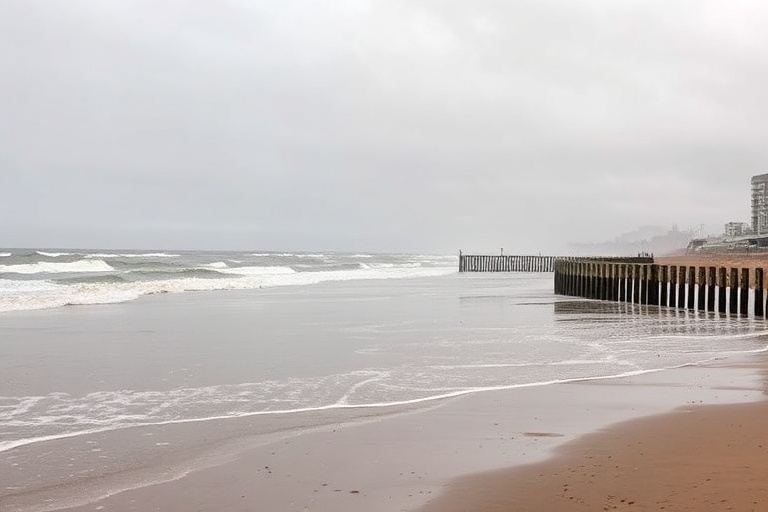
The wind plays a defining role in the town’s microclimate. Coastal gales can whip up whitecaps on the water and send pedestrians scrambling for shelter. Yet, these same winds also bring invigorating energy to the promenade, where locals and visitors alike embrace the bracing sea air. The town’s layout, with its east-west orientation, can channel winds in unpredictable ways, making some streets gustier than others.
Fog is another occasional visitor, particularly in the early mornings or after rain. It lingers over the water and drifts inland, creating an ethereal atmosphere that photographers adore. While not as common as rain or wind, fog adds a layer of mystery to Bournemouth’s coastal charm.
How Locals and Visitors Adapt to Bournemouth’s Weather
Living with Bournemouth’s weather has cultivated a culture of adaptability among residents. The phrase “four seasons in one day” isn’t just a cliché here—it’s a daily reality. Locals keep a close eye on the forecast, especially during the summer months when beach plans hinge on the chance of rain. Outdoor events, from festivals to sports tournaments, often have contingency plans for sudden weather changes.
For visitors, the key is preparation. A lightweight waterproof jacket is a must, even in summer. Layers are essential, as temperatures can swing dramatically between day and night. The town’s compact size makes it easy to duck into a café or shop when the weather turns, and many establishments offer quick shelter from the rain.
Bournemouth’s tourism industry has evolved to accommodate its weather patterns. Indoor attractions like the Russell-Cotes Art Gallery and Museum or the Oceanarium provide respite from the elements. Meanwhile, outdoor enthusiasts embrace the conditions—surfers chase the best waves, while walkers explore the South West Coast Path, undeterred by a little drizzle.
Weather-Proof Activities in Bournemouth
- Indoor Entertainment: Visit the Bournemouth Pavilion Theatre or explore the town’s independent cinemas.
- Coastal Walks: The Undercliff Walk offers stunning views even in overcast weather, with sheltered sections to escape the wind.
- Seasonal Events: The Bournemouth Air Festival (August) and Arts by the Sea Festival (September) often proceed rain or shine.
- Food and Drink: The town’s cafés and pubs, like The Square Café or The Lighthouse, provide warm, welcoming spaces to while away a rainy afternoon.
The Bigger Picture: Bournemouth’s Weather in a Changing Climate
Like many coastal destinations, Bournemouth is not immune to the broader shifts in global weather patterns. Rising sea temperatures and changing wind currents have begun to influence the town’s climate in subtle ways. Warmer autumns and wetter winters are becoming more common, prompting discussions about coastal resilience and adaptation.
Local authorities and environmental groups are increasingly focused on sustainable tourism and infrastructure. Projects like the Bournemouth Beach Replenishment Scheme aim to protect the shoreline from erosion, while initiatives promote responsible travel. The town’s relationship with its weather is evolving, blending tradition with forward-thinking solutions.
For those who call Bournemouth home or visit regularly, the weather remains a defining feature of life by the sea. It shapes daily routines, influences cultural events, and even dictates the town’s rhythm. Whether it’s a crisp winter morning or a sun-drenched summer afternoon, Bournemouth’s climate offers something for everyone—provided you’re ready to embrace its unpredictability.
In a world where extreme weather events are becoming more frequent, Bournemouth’s relatively stable coastal climate is a reminder of nature’s balance. The town’s ability to adapt while preserving its charm speaks to the resilience of both its people and its environment. For visitors, it’s an invitation to experience the best of British seaside living—come rain or shine.