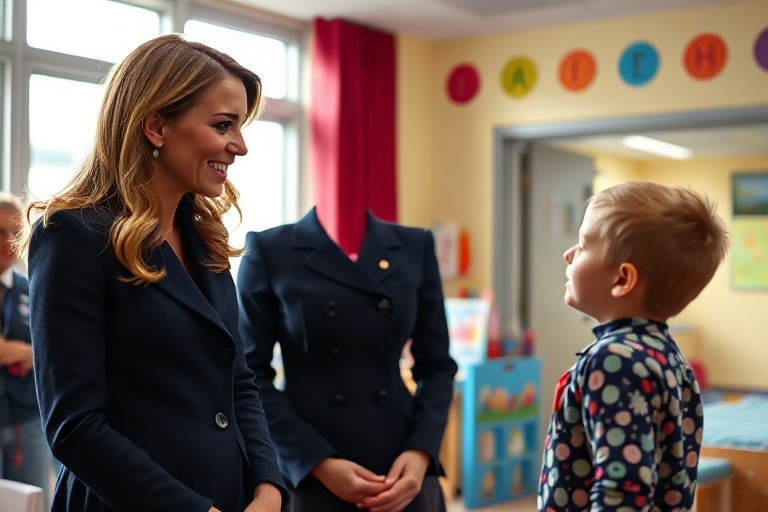
Catherine, Princess of Wales: A Modern Royal Influence
Catherine, Princess of Wales: A Modern Royal Influence
Catherine, Princess of Wales, formerly known as Kate Middleton, has emerged as a significant figure within the British royal family. Her journey from a commoner to a member of the royal family has not only captured public interest but also transformed the perception of royalty in the modern age. As the wife of Prince William, she has taken on various roles and responsibilities, shaping her public image and redefining the expectations of a royal.
Early Life and Education
Catherine Elizabeth Middleton was born on January 9, 1982, in Reading, England. Her upbringing in a middle-class family laid the foundation for her relatable persona. She attended the University of St Andrews, where she met Prince William. Their relationship, which began in college, was closely followed by the media, eventually leading to their royal engagement in 2010.
Her educational background and experiences have played a crucial role in her approach to royal duties. Catherine’s degree in Art History and her keen interest in photography and fashion have influenced her public appearances and charitable endeavors.
Charitable Work and Public Engagements
Catherine has dedicated much of her time to various charitable causes. Her focus areas include mental health, early childhood development, and addiction. The launch of the Heads Together campaign in 2017, alongside Prince William and Prince Harry, aimed to combat the stigma surrounding mental health issues. This initiative has been pivotal in encouraging open conversations about mental health in the UK.
- Mental Health Advocacy: Catherine’s involvement in mental health initiatives has made a significant impact on public awareness.
- Early Childhood Development: She has emphasized the importance of early years support, launching the Royal Foundation Centre for Early Childhood.
- Supporting Addiction Recovery: Her engagement with organizations focused on addiction recovery has highlighted the need for compassionate support systems.
Through her work, Catherine has demonstrated a commitment to social issues that affect many people. Her ability to connect with individuals from various backgrounds has strengthened her role as a member of the royal family.
Fashion Icon and Cultural Impact
Catherine’s fashion choices have also made headlines, establishing her as a style icon. She often wears a mix of high-street and designer brands, making her fashion accessible yet aspirational. This balance has allowed her to influence trends while remaining relatable to the public.
Her fashion sense has implications beyond aesthetics. It reflects a shift in royal tradition, where personal style can convey messages of modernity and approachability. For instance, her choice to wear British designers helps promote the UK fashion industry, showcasing the importance of supporting local talent.
Looking Ahead: The Future of the Royal Family
As Catherine continues to evolve in her role, the future of the royal family appears to be in capable hands. The growing emphasis on mental health and community engagement indicates a shift towards a more relatable and accessible monarchy. Catherine’s influence extends beyond her royal duties, shaping public discourse around significant social issues.
In conclusion, Catherine, Princess of Wales, exemplifies a modern royal. Her dedication to charitable causes, keen sense of fashion, and ability to connect with the public have redefined what it means to be a member of the royal family today. As she continues her journey, her impact will likely resonate for generations to come.
For more insights into royal affairs and cultural influences, check out our Culture and News sections.