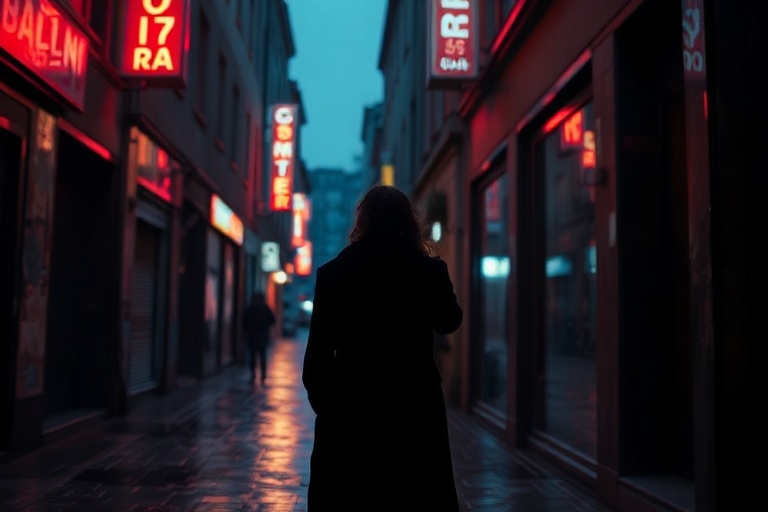
Citadel, the Amazon Prime spy thriller that debuted in 2023, returned for its second season with heightened expectations—and a markedly different reception. The show, which blends espionage, corporate intrigue, and brutal action, has always courted controversy with its stylized violence and morally ambiguous characters. Season 2 amplifies these elements while introducing new layers to its convoluted narrative. Here’s a breakdown of what landed, what stumbled, and why the series continues to polarize audiences.
The Evolution of Citadel’s Core Story
Season 2 of Citadel dives deeper into the fractured alliance between Mason Kane (Richard Madden) and Nadia Voss (Priyanka Chopra Jonas), whose relationship remains as volatile as ever. The season opens with a time jump, revealing the fallout from their last mission. The duo now operates independently, each grappling with the psychological scars of their past. This structural shift allows for more introspective moments, though it occasionally disrupts the show’s signature pacing.
The central conflict revolves around a new threat: a rogue intelligence faction known as “The Syndicate,” led by the enigmatic—and seemingly immortal—Bernard Quayle (Stanley Tucci). Quayle’s presence introduces a fresh dynamic, one that forces Mason and Nadia to confront their shared history while navigating a world where trust is a luxury. The season’s plot twists, however, sometimes feel convoluted, relying heavily on exposition dumps to keep viewers up to speed.
What stands out is the show’s commitment to its high-concept premise. The action sequences remain visually stunning, with choreography that blends practical stunts and cutting-edge CGI. The series’ signature “spy ballet”—a term used to describe its meticulously staged fight scenes—returns with even greater ambition. Yet, the sheer complexity of the plot occasionally overshadows character development, leaving some viewers struggling to connect with the protagonists.
Character Arcs: Growth or Stagnation?
Mason Kane’s arc in Season 2 is marked by relentless trauma. Madden’s performance continues to excel in portraying a man haunted by his past, though his emotional range sometimes borders on brooding to the point of caricature. Nadia, meanwhile, grapples with her new role as a reluctant leader within a fractured intelligence network. Chopra Jonas brings depth to her character, particularly in scenes that explore Nadia’s vulnerability beneath her icy exterior.
The supporting cast also receives more attention this season. Characters like Anders (Roland Møller) and Ava (Ashley Harkleroad) are given meatier roles, though their arcs occasionally feel underdeveloped. The introduction of a new ally, Dr. Felix Lau (James Hong), adds a layer of moral ambiguity that challenges the show’s black-and-white approach to espionage ethics.
What Worked: Strengths of Season 2
Despite its flaws, Season 2 of Citadel delivers several standout elements that justify its existence. Here are the key strengths:
- Visual Spectacle: The action sequences are a masterclass in blending choreography with digital effects. The season’s mid-air brawls and gravity-defying stunts are visually breathtaking, even if they occasionally strain credibility.
- Stanley Tucci’s Villainy: Tucci’s portrayal of Bernard Quayle is a masterclass in understated menace. His calm demeanor and cryptic dialogue make him a compelling antagonist, elevating the stakes in every scene he appears.
- Cinematography: The show’s use of lighting and framing continues to impress. The stark contrasts between shadow and light mirror the moral ambiguity of its characters.
- Score and Sound Design: The score by Daniel Pemberton is a standout, weaving tension and melancholy into the narrative. The sound design, particularly in action scenes, immerses viewers in the chaos of each encounter.
Where It Stumbled: Criticisms and Missed Opportunities
No season is without its missteps, and Citadel Season 2 is no exception. While the show excels in spectacle, it falters in execution in several areas:
- Overly Complex Plot: The season’s convoluted narrative often feels like a puzzle missing too many pieces. Viewers may find themselves lost in the web of alliances, betrayals, and time jumps.
- Underdeveloped Side Characters: While Mason and Nadia receive ample screen time, secondary characters like Anders and Ava lack depth. Their motivations and arcs feel sidelined in favor of the main plot.
- Tonal Whiplash: The show oscillates between high-stakes action and emotional drama, sometimes within the same scene. This inconsistency disrupts the flow and makes it difficult to stay invested.
- Predictable Twists: Some of the season’s major revelations feel telegraphed, particularly in the final act. The reliance on shock value occasionally undermines the show’s attempts at sophistication.
The Broader Implications: Why Citadel Matters
Citadel’s existence is more than just a showcase for its A-list cast and jaw-dropping action. The series represents a bold experiment in serialized spy fiction, one that prioritizes style over substance in many ways. In an era where television often prioritizes grounded realism, Citadel embraces its comic-book roots, blurring the line between spy thriller and action fantasy.
The show’s success—despite its flaws—signals a shift in audience appetite for high-concept, visually driven storytelling. It also highlights the growing influence of streaming platforms in greenlighting projects that defy traditional genre boundaries. Amazon Prime’s commitment to Citadel, despite its divisive reception, underscores the platform’s willingness to take risks in a crowded market.
Moreover, Citadel raises questions about the future of spy fiction on screen. With franchises like Mission: Impossible and Bourne dominating the genre, Citadel carves out its own niche by blending espionage with supernatural undertones. Whether this approach will inspire more copycats remains to be seen, but it’s clear that the show has left its mark on the industry.
A Look Ahead: What’s Next for Citadel?
With Season 2 wrapping up its narrative threads, the future of Citadel is uncertain. Amazon has yet to confirm a third season, though given the show’s budget and star power, a renewal seems likely. Fans will undoubtedly hope for a tighter, more focused story in any future installments. The challenge for the writers will be balancing the show’s high-concept ambitions with the need for emotional resonance and coherent storytelling.
For now, Citadel remains a show that demands attention—whether you love it or loathe it. Its flaws are as glaring as its triumphs, but that’s perhaps the point. In a landscape dominated by safe, formulaic entertainment, Citadel dares to be different.
For more on spy thrillers and action dramas, check out our Entertainment section or explore our News coverage for the latest updates on streaming releases.
Final Verdict
Citadel Season 2 is a high-stakes gamble that pays off in spectacle but stumbles in substance. It’s a show that will leave you breathless one moment and frustrated the next. While it may not be for everyone, its ambition and audacity make it a standout entry in the spy thriller genre. Whether that’s enough to secure its future remains to be seen—but for now, Citadel is a series that refuses to play by the rules.
Love it or hate it, you won’t forget it anytime soon.