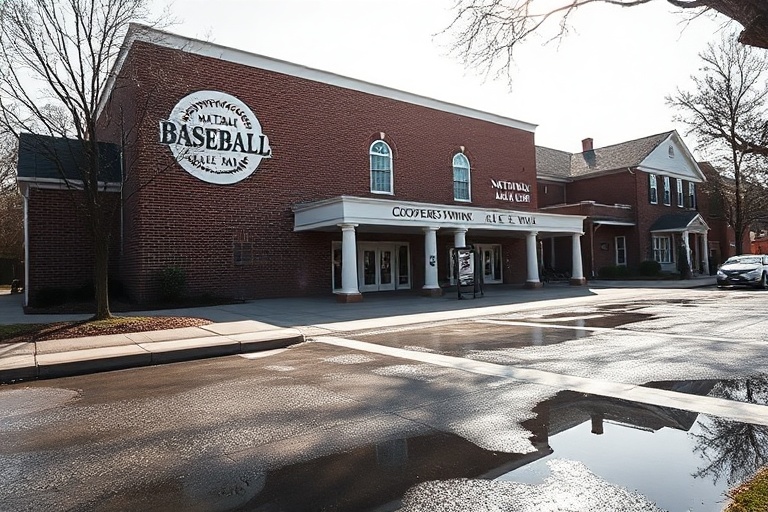
Cooperstown: Baseball’s Living Museum and Its Lasting Legacy
“`html
Cooperstown: Baseball’s Town Where History Lives
Nestled in the rolling hills of upstate New York, Cooperstown is more than a quaint village. It is baseball’s spiritual home, a place where the crack of a bat echoes through time and the stories of legends are preserved like priceless artifacts. The village, population just over 1,800, carries the weight of America’s pastime in its brick storefronts, quiet streets, and most famously, the National Baseball Hall of Fame and Museum.
The origins of Cooperstown’s connection to baseball trace back to the 1830s, when Abner Doubleday was said to have invented the game here. While that claim has long been debunked by historians, the myth helped cement the town’s identity. Today, Cooperstown stands not on myth alone, but on a foundation of authenticity—one built by generations of players, fans, and curators who have preserved the game’s rich history.
Why Cooperstown Matters Beyond Baseball
Cooperstown’s significance extends beyond the diamond. It’s a cultural touchstone that reflects how sports shape identity, memory, and community. The Hall of Fame isn’t just a museum; it’s a pilgrimage site for fans, a classroom for students of history, and a proving ground for the enduring power of storytelling. Each inductee, from Babe Ruth to Derek Jeter, represents not only athletic excellence but also the values of perseverance, integrity, and passion that transcend sports.
More broadly, Cooperstown serves as a model for how small towns can leverage heritage tourism. Unlike large cities that rely on skyscrapers and stadiums, Cooperstown thrives by inviting visitors into an intimate, immersive experience. The village doesn’t just display history—it lets you walk through it, touch it, and feel it in the cool summer air near Doubleday Field or the quiet halls of the Hall of Fame.
The Hall of Fame Experience: More Than Just Plaques
The National Baseball Hall of Fame and Museum opened in 1939, funded by a coalition of baseball executives and civic leaders. Its mission was simple: to honor the game’s greatest players. Today, the museum houses over 40,000 artifacts, including Babe Ruth’s bat, Jackie Robinson’s jersey, and Lou Gehrig’s farewell speech manuscript. But it’s not just about seeing objects—it’s about understanding their context.
Visitors move through exhibits that trace baseball’s evolution from a pastoral pastime to a billion-dollar industry. They learn about the Negro Leagues, the integration of the game, and the labor struggles that shaped modern baseball. One of the most moving displays is the “Today’s Game” exhibit, where visitors can watch interviews with active players reflecting on the game’s impact on their lives.
For many, the emotional climax comes in the Hall of Fame Gallery, where plaques of the inducted line the walls. The names are familiar, but the experience is personal. Fans often pause to search for their heroes, whispering stories or snapping photos. It’s a moment of quiet reverence—a reminder that baseball isn’t just a game, but a shared cultural memory.
Cooperstown’s Broader Impact on Sports and Culture
Cooperstown’s influence reaches far beyond its borders. The village has inspired similar museums and halls of fame across the country, from the Naismith Memorial Basketball Hall of Fame in Springfield, Massachusetts, to the Pro Football Hall of Fame in Canton, Ohio. Each follows Cooperstown’s model: a blend of education, nostalgia, and community engagement. But Cooperstown remains unique in its authenticity and depth.
It also plays a critical role in preserving baseball’s oral history. Through programs like the Hall of Fame’s “Voices of the Game” series, former players, broadcasters, and executives share firsthand accounts of pivotal moments. These stories are archived and shared online, ensuring that the game’s living memory endures for future generations.
Beyond preservation, Cooperstown fosters dialogue about the game’s future. Issues like player safety, the pace of play, and the role of analytics are debated in panels and symposia. The village becomes a neutral ground where tradition and innovation collide—and where the soul of the game is continually redefined.
What Makes Cooperstown a Must-Visit Destination
For baseball fans, Cooperstown is a rite of passage. But even those indifferent to sports find value in the town’s charm and history. Here’s what sets it apart:
- Authenticity: The Hall of Fame doesn’t just celebrate legends—it contextualizes them within the broader sweep of American history.
- Accessibility: Unlike crowded urban attractions, Cooperstown offers a relaxed pace where visitors can linger and reflect.
- Community: Local businesses, from family-owned diners to artisan shops, thrive because of the Hall’s draw, creating a symbiotic relationship between tourism and heritage.
- Education: Through school programs and interactive exhibits, Cooperstown teaches visitors of all ages about history, ethics, and the role of sports in society.
- Inclusivity: Recent efforts have expanded the narrative to include more women, people of color, and international stars, reflecting the game’s growing diversity.
Of course, Cooperstown isn’t without its critics. Some argue that the Hall of Fame’s voting process is opaque or that the museum relies too heavily on nostalgia. Others point out that the village’s tourism-driven economy can feel sanitized, glossing over the complexities of baseball’s history, such as its ties to segregation and labor exploitation. These critiques are valid and reflect broader conversations about how we remember history.
Yet, Cooperstown’s enduring appeal lies in its willingness to engage with these issues. The Hall of Fame has increasingly spotlighted overlooked figures and untold stories, from Negro Leagues players to women in baseball. It’s not perfect, but it’s evolving—and that evolution is part of what makes the place so compelling.
A Legacy That Lives On
Cooperstown endures because baseball endures. In an era of fleeting digital trends and disposable culture, the village offers something rare: permanence. The plaques on the walls, the stories in the archives, the rituals like the annual induction ceremony—all of it reminds us that greatness isn’t measured in clicks or likes, but in the moments that shape us.
As long as there are fans who dream of stepping up to the plate, Cooperstown will remain a beacon. It’s a place where history isn’t just remembered; it’s felt. And perhaps that’s the most powerful legacy of all.
Whether you’re a lifelong baseball fan or simply someone who appreciates the stories that define us, Cooperstown invites you to slow down, look closely, and remember what it means to be part of something bigger than yourself.
Plan your visit, walk the streets, and let the spirit of the game wash over you. You might leave with more than just a souvenir—you might leave with a deeper connection to the past and a renewed appreciation for the moments that shape our shared history.
For more on how sports museums shape culture, explore Dave’s Locker Sports category. To read about how small towns preserve heritage through tourism, visit our Travel section.