Examining the Role and Impact of ICE in U.S. Immigration
Understanding the Role of ICE in U.S. Immigration Enforcement
The United States Immigration and Customs Enforcement (ICE) plays a crucial role in the enforcement of immigration laws and the investigation of customs violations. Established in 2003, ICE is a key component of the Department of Homeland Security (DHS), tasked with the dual missions of immigration enforcement and combating transnational crime. This article explores ICE’s functions, its impact on communities, and the ongoing debates surrounding its practices.
ICE’s Core Responsibilities
ICE operates through two primary divisions: Enforcement and Removal Operations (ERO) and Homeland Security Investigations (HSI). Each division has distinct responsibilities that contribute to the agency’s overarching mission.
- Enforcement and Removal Operations (ERO): This division focuses on the identification, apprehension, and removal of individuals who are in the U.S. unlawfully. ERO conducts raids, detentions, and deportations.
- Homeland Security Investigations (HSI): HSI investigates a broad range of customs and immigration violations, including human trafficking, drug smuggling, and immigration fraud. This division also works closely with international law enforcement agencies.
Through these divisions, ICE aims to maintain national security and uphold the rule of law. However, the methods employed by the agency often lead to significant public discourse and controversy.
Impact on Communities
The presence and activities of ICE have far-reaching effects on communities across the United States. From fear and anxiety among immigrant populations to broader societal implications, the agency’s actions are felt deeply.
Many immigrants live in constant fear of detention and deportation, which can lead to a range of psychological and social consequences. Families may be torn apart, and individuals may avoid seeking medical care or reporting crimes due to fear of interaction with law enforcement. This has created a climate of distrust between immigrant communities and public services.
On the other hand, supporters of ICE argue that the agency is necessary for maintaining public safety and enforcing immigration laws. They believe that a firm stance against illegal immigration is vital for the integrity of the immigration system.
Controversies and Criticisms
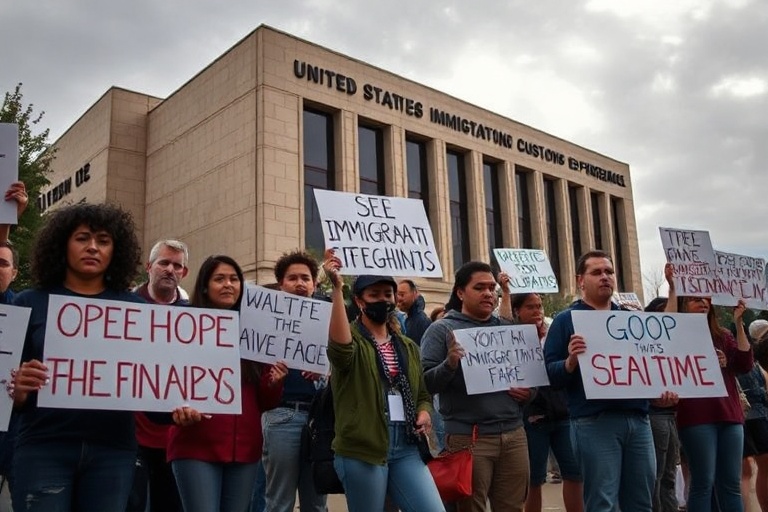
ICE has faced significant criticism for its methods and policies. Critics argue that the agency’s enforcement tactics are often aggressive and disproportionately target vulnerable populations. High-profile incidents involving family separations during deportations have drawn national outrage and sparked protests.
Concerns have also been raised about the conditions in detention centers and the treatment of detainees. Reports of overcrowding, inadequate medical care, and lack of legal representation have led to calls for reform.
Additionally, the agency’s collaboration with local law enforcement has been a contentious issue. Programs like Secure Communities, which allowed local police to share information with ICE, have been criticized for eroding trust between immigrant communities and law enforcement. In many cases, local jurisdictions have opted out of these partnerships, citing concerns about racial profiling and civil rights violations.
Global Perspectives on Immigration Enforcement
The challenges and debates surrounding immigration enforcement are not unique to the United States. Many countries grapple with similar issues, albeit in different contexts. For instance, European nations have faced significant challenges with migration due to conflicts in the Middle East and North Africa.
Countries like Germany and Italy have implemented various policies to manage immigration, often balancing humanitarian obligations with national security concerns. This global perspective highlights that immigration enforcement is a multifaceted issue that requires careful consideration of human rights, public safety, and international law.
In the United States, the conversation about ICE and immigration enforcement continues to evolve. Advocacy groups, policymakers, and the public are engaged in ongoing discussions about how to reform the system while ensuring the safety and rights of all individuals.
The future of ICE and immigration enforcement in the U.S. will likely depend on a combination of political will, public opinion, and advocacy efforts aimed at reforming existing policies. As the nation grapples with these complex issues, it is essential to consider the human impact of enforcement actions and seek solutions that uphold justice and fairness.
Conclusion
The United States Immigration and Customs Enforcement agency plays a pivotal role in the enforcement of immigration laws and regulations. While its mandate includes vital national security functions, the methods and impact of ICE’s activities are subjects of intense debate. Balancing enforcement with compassion and human rights remains a critical challenge for policymakers and society as a whole. As the discourse continues, it is essential to keep in mind the broader implications of immigration enforcement on communities and individuals.