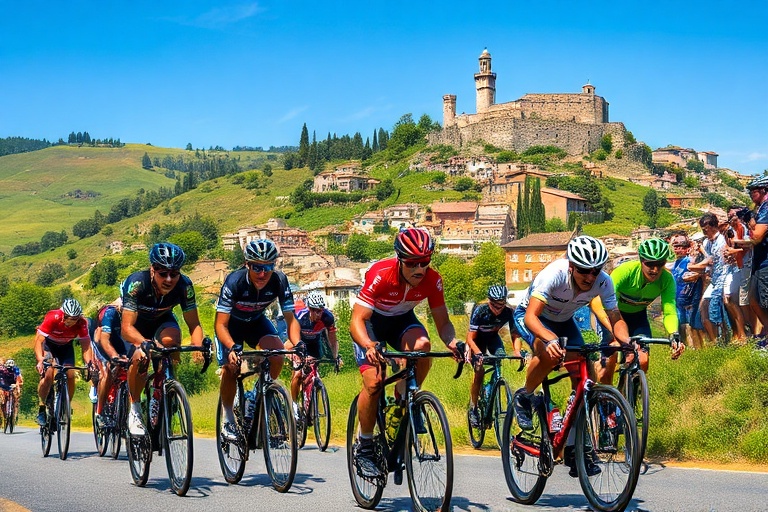
Exploring the Giro d’Italia: A Cycling Icon
Understanding the Giro d’Italia
The Giro d’Italia, often referred to simply as the Giro, is one of the most prestigious cycling races in the world. Established in 1909, this iconic event has captivated cycling enthusiasts for over a century. As part of the Grand Tours, which includes the Tour de France and Vuelta a España, the Giro is known for its challenging routes and breathtaking scenery across Italy.
Each year, the race attracts the best cyclists from around the globe, showcasing their endurance and skill over a grueling three-week period. The event typically begins in early May and covers approximately 3,500 kilometers, with stages that include time trials, mountain climbs, and flat sprints.
The Route and Challenges
The route of the Giro d’Italia changes every year, offering a mix of urban and rural landscapes. Cyclists traverse through the stunning Dolomites, the Apennines, and the beautiful Italian countryside. The race not only tests physical strength but also mental resilience, as riders face unpredictable weather conditions and challenging terrains.
Here are some key elements of the Giro’s route:
- Mountain Stages: These are often the most grueling, featuring steep climbs and high altitudes.
- Time Trials: Individual time trials are critical for gaining time against competitors.
- Flat Stages: While less challenging, these stages can be crucial for sprinters looking to gain points in the classification.
The combination of different types of stages ensures that the Giro tests every aspect of a cyclist’s abilities, making it a true test of grit and determination.
Key Competitors and Teams
The Giro d’Italia is not only about individual athletes; it also highlights the importance of teamwork. Professional cycling teams work in unison to support their lead riders, often playing pivotal roles in determining the outcome of the race.
Some of the most renowned teams in the Giro include:
- Team Jumbo-Visma
- INEOS Grenadiers
- UAE Team Emirates
- Movistar Team
Each of these teams brings a unique strategy and set of skills to the race, significantly impacting the dynamics of competition. Notable riders have made their mark in the Giro, including legends like Fausto Coppi, Eddy Merckx, and more recently, riders like Chris Froome and Tom Dumoulin.
The Cultural Impact of the Giro d’Italia
The Giro d’Italia holds a special place in Italian culture and sports history. It is a celebration of endurance, tradition, and national pride. The race not only highlights the beauty of Italy but also unites communities as they come together to cheer for their favorite teams and riders.
Moreover, the Giro has inspired countless amateur cyclists and has led to increased interest in the sport. Local events and cycling clubs often see a surge in participation as the race approaches. The passion for cycling is evident in the vibrant atmosphere that envelops the towns and cities hosting the stages.
Fans gather along the routes, creating a carnival-like environment filled with music, food, and camaraderie. This cultural significance further elevates the Giro beyond just a sporting event, making it a pivotal part of Italy’s identity.
Conclusion
The Giro d’Italia remains a hallmark of cycling excellence, presenting a formidable challenge to the best athletes in the sport. With its ever-changing routes, diverse stages, and rich cultural backdrop, the race continues to evolve while retaining its storied tradition. As the 2023 Giro approaches, anticipation builds among fans and competitors alike, promising yet another thrilling chapter in this historic event.
For more insights into cycling events and sports analysis, visit our Sports category or explore our Trending section.