The announcement of a new Harry Potter television series by Warner Bros. Discovery has sent ripples through the fandom. Unlike the films, which relied heavily on the original cast for continuity and authenticity, a TV adaptation spanning seven books demands a different approach. Recasting presents both an opportunity and a challenge: how do you honor the legacy of the original while allowing new talent to shape the story? This is particularly complex for a series as beloved—and as deeply personal—as Harry Potter.
The franchise’s transition from page to screen was seamless in the films, where the core trio remained consistent. Yet a TV series covering all seven books would span years, if not decades, requiring recasting not just for age but for the sheer scope of the narrative. The question isn’t whether recasting will happen—it’s how Warner Bros. will navigate the emotional weight of those decisions.
Why Recasting Is Inevitable for the Harry Potter TV Series
The original Harry Potter films began with child actors who grew alongside their characters. Daniel Radcliffe, Emma Watson, and Rupert Grint were 11 years old when they first stepped onto the set of Harry Potter and the Sorcerer’s Stone. By the final film, Harry Potter and the Deathly Hallows – Part 2, they were 22. Their aging mirrored Harry, Ron, and Hermione’s journey, creating an organic connection between actor and role.
A TV series, however, would need to span at least seven seasons to cover all seven books. Even if the show begins with the original trio at their youngest, they would still be in their late teens or early twenties by the time the series concludes. This timeline necessitates recasting—either through flashbacks, time jumps, or simply recasting the older versions of the characters. The alternative—using heavy makeup and CGI to age the original cast—would likely feel unnatural and could alienate viewers.
Moreover, a TV series allows for a broader exploration of the wizarding world, including characters who were sidelined in the films. Characters like Ginny Weasley, Luna Lovegood, and Neville Longbottom would require recasting as they grow from supporting roles into central figures. The Harry Potter universe is vast, and a TV adaptation could finally give these characters the depth they deserved.
The Challenge of Balancing New Talent with Fan Expectations
One of the biggest hurdles Warner Bros. faces is balancing the introduction of new actors with the expectations of fans. The original cast has become synonymous with the characters, and any recasting risks backlash. This is especially true for roles like Harry, Ron, and Hermione, whose personalities and appearances are deeply ingrained in the public consciousness.
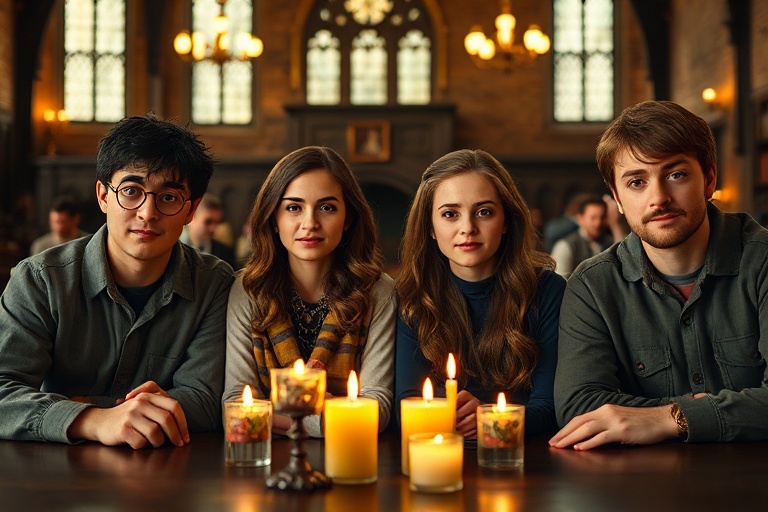
Warner Bros. has an opportunity to approach this carefully. One strategy could be to introduce the characters at a slightly older age in the first season, allowing the new actors to ease into the roles without immediate comparison to the original cast. Alternatively, the show could begin with flashbacks or younger versions of the characters, using the original actors in cameo roles—perhaps as portraits in Hogwarts or as older versions in a framing narrative.
Another approach is to recast only the minor characters initially, allowing the new Harry, Ron, and Hermione to be introduced in a way that feels organic. This could mitigate backlash by giving the new actors time to establish themselves before the central trio is recast.
Lessons from Other Franchises: How Recasting Has Worked (and Failed)
Recasting is not without precedent in long-running franchises. Some adaptations have succeeded brilliantly, while others have stumbled. One of the most successful examples is Game of Thrones, which recast several key characters as the story progressed. Peter Dinklage’s Tyrion Lannister remained consistent, but characters like Daenerys Targaryen and Jon Snow were recast with older actors to reflect their aging and the passage of time. The show’s success with recasting can be attributed to careful planning—viewers accepted the changes because the storytelling justified them.
In contrast, Doctor Who has recast its lead role multiple times, with each new actor bringing a fresh interpretation of the character. While the show has faced criticism at times, the recasting has ultimately strengthened the series by allowing it to evolve. The key difference is that Doctor Who embraces the idea of regeneration, making recasting a core part of its identity.
However, not all recasting efforts have been as well-received. The Star Wars prequel trilogy attempted to recast young versions of characters like Luke and Leia using CGI and archive footage, a move that felt gimmicky and failed to resonate with audiences. Similarly, the Spider-Man films have seen multiple recasts, with some iterations feeling more successful than others. The lesson here is clear: recasting must feel necessary and organic to the story, not forced or gimmicky.
The Role of Diversity and Inclusion in Recasting Decisions
Another factor complicating recasting decisions is the push for greater diversity and inclusion in media. The original Harry Potter films were criticized for their lack of racial diversity, particularly in the casting of characters like Hermione Granger and Lavender Brown. A TV adaptation presents an opportunity to address these oversights by recasting characters with actors of color or different backgrounds.
For example, Hermione’s race has been a topic of debate since the books were published. While J.K. Rowling has stated that Hermione’s race was not specified in the books, the films cast Emma Watson, a white actress, in the role. A TV series could recast Hermione with a Black actress, reflecting the diversity of the real world and the wizarding world as described in the books.
Similarly, characters like Dean Thomas and Angelina Johnson could be recast with actors of color, aligning with the books’ descriptions and creating a more inclusive adaptation. However, this must be handled thoughtfully to avoid tokenism or erasing the original actors’ contributions. The goal should be to create a version of the story that feels authentic to the source material while also reflecting modern values.
The Future of Harry Potter: What Fans Can Expect
Warner Bros. has not yet announced a release date or casting details for the Harry Potter TV series, but the project is moving forward under the leadership of creators including Steven Kloves and J.K. Rowling. The show is expected to be a major production, with a budget rivaling that of Game of Thrones or The Lord of the Rings: The Rings of Power.
Fans can expect a few key strategies from Warner Bros. as they navigate the challenges of recasting:
- Gradual Recasting: The show may introduce the new cast gradually, starting with minor characters before tackling the central trio. This would allow the new actors to build their fanbase without immediate comparison to the original cast.
- Flashbacks and Cameos: The original cast could return in limited roles, such as portraits, older versions, or framing narratives, providing a bridge between the old and new versions of the story.
- Diversity and Inclusion: The show may recast characters to reflect a more diverse wizarding world, aligning with the books’ descriptions and modern values.
- Expanding the Universe: A TV series allows for deeper exploration of lesser-known characters and storylines, potentially recasting roles like Ginny Weasley, Luna Lovegood, and Neville Longbottom as they take on more prominent roles.
The success of the Harry Potter TV series will hinge on Warner Bros.’ ability to balance nostalgia with innovation. The original films were a product of their time, and a TV adaptation must feel fresh while honoring the spirit of the books. Recasting is inevitable, but how it’s handled will determine whether the new series feels like a worthy successor or a misstep.
For fans, the key will be to approach the new series with an open mind. The Harry Potter story is about growth, change, and the passage of time—both in-universe and in the real world. A TV adaptation that embraces these themes through thoughtful recasting could become a masterpiece in its own right.
Final Thoughts: A New Chapter for a Beloved Franchise
The Harry Potter TV series represents a bold new chapter for the franchise. While recasting poses challenges, it also offers an opportunity to revitalize the story for a new generation. The original films were groundbreaking, but a TV adaptation has the potential to be even more expansive, diving deeper into the lore and characters that fans love.
Warner Bros. must tread carefully, ensuring that recasting feels organic and necessary rather than forced. By learning from the successes and failures of other franchises, the studio can create a Harry Potter series that honors the past while forging a new path forward. For fans, the hope is that the new series will capture the magic of the books and the original films, while also offering something fresh and exciting.
As the Harry Potter universe expands, one thing is certain: the magic of Hogwarts is far from over. Whether through recasting, new stories, or innovative storytelling, the wizarding world will continue to captivate audiences for generations to come.
For more on the latest in entertainment news and analysis, visit Dave’s Locker Entertainment.