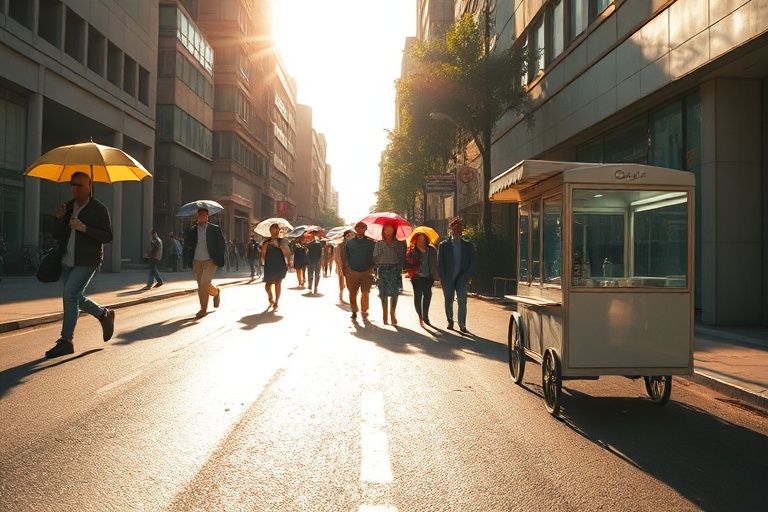
As summer temperatures climb each year, heat waves have become more frequent and intense across the globe. These prolonged periods of excessively hot weather pose significant risks to health, infrastructure, and the environment. With climate change exacerbating the situation, understanding heat waves—how they form, their dangers, and ways to mitigate their impact—is crucial for communities worldwide.
The Science Behind Heat Waves
A heat wave occurs when temperatures rise well above normal for a sustained period, typically three or more consecutive days. These events are driven by high-pressure systems that trap warm air in a region, preventing cooler air from circulating. Meteorologists define heat waves differently depending on local climate norms, but the core mechanism remains consistent: stagnant air masses that elevate temperatures beyond safe thresholds.
Climate change has intensified this phenomenon. According to the National Oceanic and Atmospheric Administration, the frequency of heat waves in the United States has tripled since the 1960s. Rising global temperatures, fueled by greenhouse gas emissions, create ideal conditions for more extreme and prolonged heat events. Urban areas, with their concrete landscapes and limited green spaces, often experience even higher temperatures—a phenomenon known as the “urban heat island effect.”
Researchers track heat waves using metrics like the Heat Index, which combines air temperature and humidity to gauge how hot it feels to the human body. When this index exceeds 103°F (39°C) for extended periods, the risk of heat-related illnesses rises sharply. The World Health Organization warns that heat stress can lead to severe conditions, including heat exhaustion and heatstroke, which can be fatal without proper intervention.
Health Risks and Vulnerable Populations
Heat waves disproportionately affect vulnerable groups, including the elderly, children, pregnant women, and individuals with preexisting medical conditions. Older adults, in particular, face heightened risks because their bodies struggle to regulate temperature as effectively as younger people. Medications like diuretics and antihistamines can further impair heat tolerance, making seniors more susceptible to heat-related illnesses.
Children are also at risk, especially during outdoor activities. Their bodies absorb heat more quickly, and they may not recognize the early signs of heat exhaustion, such as dizziness or excessive sweating. Athletes and outdoor workers face similar dangers, particularly in professions that require prolonged exposure to high temperatures. Dehydration, muscle cramps, and fainting are common consequences of unchecked heat stress.
The most severe outcome of heat exposure is heatstroke, a life-threatening condition where the body’s temperature regulation fails, and internal temperatures exceed 104°F (40°C). Symptoms include confusion, rapid heartbeat, and unconsciousness. Immediate medical attention is critical, as heatstroke can lead to organ failure or death without prompt treatment. Public health officials emphasize the importance of hydration, shade, and cooling centers during extreme heat events.
- Elderly individuals: Higher risk due to reduced heat tolerance and medication interactions.
- Children: Need constant supervision during outdoor play to prevent overheating.
- Athletes and outdoor workers: Require frequent hydration breaks and access to shade.
- People with chronic illnesses: Conditions like heart disease and diabetes increase vulnerability to heat-related complications.
Economic and Environmental Consequences
Beyond health concerns, heat waves impose substantial economic burdens. Power grids strain under the increased demand for air conditioning, leading to blackouts and higher energy costs. In 2021, California experienced rolling blackouts during a record-breaking heat wave, highlighting the fragility of aging infrastructure. Businesses, especially those in retail and hospitality, face reduced productivity as employees struggle to work in extreme temperatures.
Agriculture is another sector heavily impacted by prolonged heat. Crops like wheat and corn are particularly sensitive to high temperatures, which can reduce yields and quality. Livestock also suffer, as heat stress lowers milk production in dairy cows and increases mortality rates in poultry. Farmers in regions like the Midwest United States have reported losses exceeding millions of dollars due to heat-related crop failures.
Wildfires often accompany heat waves, particularly in dry, arid regions. The combination of high temperatures and low humidity creates ideal conditions for fires to spread rapidly. In 2020, California’s August Complex Fire burned over 1 million acres, fueled by extreme heat and drought. These disasters not only destroy ecosystems but also displace communities, strain emergency services, and contribute to long-term environmental degradation.
Mitigation and Adaptation Strategies
Addressing the challenges posed by heat waves requires a multi-faceted approach, combining short-term relief measures with long-term adaptation strategies. Cities are increasingly adopting “cooling centers”—public spaces equipped with air conditioning where residents can seek refuge during extreme heat. Programs like Portland, Oregon’s “Heat Response Plan” provide transportation assistance to vulnerable populations, ensuring they have access to safe environments.
Urban planning also plays a critical role in reducing heat impacts. Green infrastructure, such as parks, green roofs, and tree-lined streets, can lower local temperatures by several degrees. Los Angeles’ initiative to plant 90,000 trees by 2028 aims to combat the urban heat island effect, while Phoenix’s “Cool Roofs” program encourages the use of reflective materials to reduce heat absorption in buildings.
On an individual level, simple precautions can significantly reduce heat-related risks. Staying hydrated, avoiding outdoor activities during peak heat hours (typically 10 a.m. to 4 p.m.), and wearing lightweight, light-colored clothing are effective strategies. Public awareness campaigns, such as the National Weather Service’s “Heat Safety Tips,” emphasize the importance of checking on neighbors, especially those who live alone or lack access to cooling systems.
- Stay hydrated: Drink water regularly, even if you don’t feel thirsty. Avoid alcohol and caffeine, which dehydrate the body.
- Create shade: Use umbrellas, awnings, or trees to block direct sunlight when outdoors.
- Dress appropriately: Opt for loose-fitting, breathable fabrics like cotton or linen. Light colors reflect heat, while dark colors absorb it.
- Know the signs: Recognize symptoms of heat exhaustion (heavy sweating, weakness, nausea) and heatstroke (confusion, rapid pulse, unconsciousness).
- Plan ahead: Check local weather forecasts and heat advisories. Adjust outdoor plans accordingly.
Looking Ahead: The Future of Heat Waves
The trajectory of heat waves is closely tied to global climate patterns. Projections from the Intergovernmental Panel on Climate Change (IPCC) indicate that heat waves will become more frequent, longer-lasting, and more intense in the coming decades. Regions like the Mediterranean, South Asia, and the southwestern United States are expected to face the most severe impacts, with temperatures potentially exceeding 120°F (49°C) by 2050.
Adapting to this new reality will require coordinated efforts at local, national, and international levels. Governments must invest in resilient infrastructure, such as heat-resistant road materials and energy-efficient cooling systems. Policies that reduce greenhouse gas emissions, like the Paris Agreement, are essential to curbing the worst-case scenarios. Meanwhile, communities must prioritize public health initiatives that protect vulnerable populations during extreme heat events.
As individuals, we can contribute by adopting sustainable practices that reduce our carbon footprint. Simple actions like reducing energy consumption, supporting renewable energy sources, and advocating for climate-conscious policies can collectively make a difference. The fight against heat waves is not just about surviving the present—it’s about securing a safer, healthier future for generations to come.
Heat waves are no longer an occasional anomaly; they are a defining challenge of our time. By understanding their causes, acknowledging their risks, and taking proactive steps to mitigate their impact, we can build resilience in the face of rising temperatures. The time to act is now, before the next heat wave becomes an unmanageable crisis.