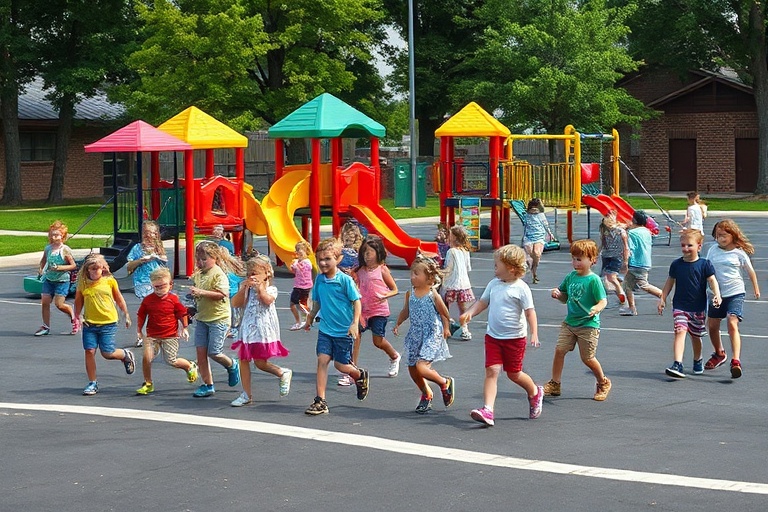
How Schools Shape Learning and Society in the Modern World
“`html
Schools: The Foundation of Education and Beyond
The role of schools extends far beyond the mere transmission of knowledge. These institutions serve as the bedrock of socialization, critical thinking, and personal development for millions of students worldwide. From early childhood education to advanced academic pursuits, schools shape not only individual futures but also the collective fabric of society. Understanding their multifaceted impact requires examining their historical evolution, current challenges, and innovative solutions reshaping modern education.
The Historical Evolution of Schools
The concept of formal schooling dates back to ancient civilizations. In Mesopotamia, scribes established the earliest known schools around 3000 BCE to train administrators and record-keepers. Ancient Greece further refined educational models, with philosophers like Plato and Aristotle establishing academies that emphasized rhetoric, mathematics, and philosophy. The Roman Empire expanded these ideas, creating a system of primary, secondary, and higher education that prioritized literacy and civic duty.
During the Middle Ages, education became largely confined to religious institutions. Monasteries and cathedral schools preserved classical knowledge while training clergy and nobility. The Renaissance brought a resurgence of interest in humanist education, with figures like Erasmus advocating for a curriculum that balanced religious instruction with classical studies. The 19th century witnessed the rise of public schooling systems in Europe and North America, driven by industrialization and the need for an educated workforce.
Today, schools reflect a blend of historical traditions and modern innovations. Digital technology has transformed classrooms, while globalization has introduced diverse perspectives into curricula. Yet fundamental questions persist: What should students learn? How should learning be assessed? And who should control educational content? These debates continue to shape the future of schooling.
The Modern School System: Structure and Challenges
Contemporary education systems typically follow a structured progression from elementary to higher education. In the United States, this path includes five stages: early childhood education (preschool and kindergarten), elementary school (grades 1-5), middle school (grades 6-8), high school (grades 9-12), and postsecondary education (colleges and universities). Each stage presents unique challenges and opportunities.
Elementary schools focus on foundational skills in literacy, numeracy, and social interaction. Middle schools often introduce more specialized subjects and begin preparing students for high school. High schools provide a broader curriculum that may include advanced placement courses, vocational training, or college preparatory tracks. The transition between these stages can create academic and social pressures, particularly for students with learning differences or socioeconomic disadvantages.
Several systemic challenges affect modern schools:
- Funding disparities: Schools in wealthy districts often have access to better resources, including modern facilities, technology, and experienced teachers. In contrast, underfunded schools struggle with outdated materials and overcrowded classrooms.
- Standardized testing: While assessments provide measurable benchmarks, critics argue they narrow curricula and fail to capture the full range of student abilities.
- Teacher shortages: Low wages, high workloads, and burnout contribute to a growing crisis in staffing, particularly in subjects like special education and STEM.
- Equity gaps: Students from marginalized communities often face systemic barriers, including racial bias, language barriers, and limited access to advanced coursework.
Addressing these challenges requires policy changes, community engagement, and innovative teaching strategies. Schools must adapt to serve diverse student needs while preparing them for an unpredictable future.
The Role of Technology in Modern Education
Technology has revolutionized how students learn and teachers instruct. Digital tools offer personalized learning experiences through adaptive software, virtual classrooms, and online resources. Platforms like Khan Academy and Duolingo provide free or low-cost alternatives to traditional tutoring, particularly for students in remote areas.
However, technology also introduces new challenges. The digital divide remains a significant barrier, with students in low-income households lacking reliable internet access or devices. Screen time concerns have led to debates about balancing technology use with hands-on learning experiences. Additionally, cybersecurity risks, such as data breaches and online harassment, pose threats to student privacy and safety.
Despite these challenges, technology offers unprecedented opportunities for collaboration and creativity. Virtual reality (VR) can transport students to historical events or scientific phenomena. Coding and robotics programs teach problem-solving skills that align with 21st-century workforce demands. Schools must thoughtfully integrate technology to enhance, rather than replace, human interaction and critical thinking.
The Future of Schools: Innovation and Adaptation
The traditional model of schooling faces increasing scrutiny as educators and policymakers explore alternative approaches. Competency-based education, for example, allows students to progress at their own pace, mastering skills before advancing. Micro-schools and hybrid learning models combine in-person instruction with online flexibility, catering to diverse learning styles.
Social-emotional learning (SEL) has gained prominence as schools recognize the importance of emotional intelligence alongside academic achievement. Programs focused on mindfulness, conflict resolution, and relationship-building help students navigate challenges both inside and outside the classroom. These initiatives reflect a broader shift toward holistic education that prioritizes student well-being.
Global events, such as the COVID-19 pandemic, have accelerated changes in education. Remote learning forced schools to adopt digital tools and rethink traditional structures. While the pandemic highlighted inequities, it also demonstrated the resilience and adaptability of educators and students alike. The lessons learned from this period may shape the future of schooling for decades to come.
As schools continue to evolve, collaboration between educators, parents, and communities will be essential. By prioritizing equity, innovation, and student-centered learning, schools can fulfill their mission of preparing the next generation for success.
Conclusion
Schools remain one of society’s most critical institutions, yet their purpose and methods are constantly debated. From their ancient origins to their modern incarnations, schools have adapted to meet the changing needs of students and communities. The challenges they face—funding disparities, technological integration, and equity gaps—demand thoughtful solutions and collective action.
As we look to the future, schools must balance tradition with innovation. By embracing new technologies, prioritizing social-emotional learning, and addressing systemic inequities, they can continue to serve as engines of opportunity and progress. The question is not whether schools will change, but how they will evolve to meet the needs of every student.