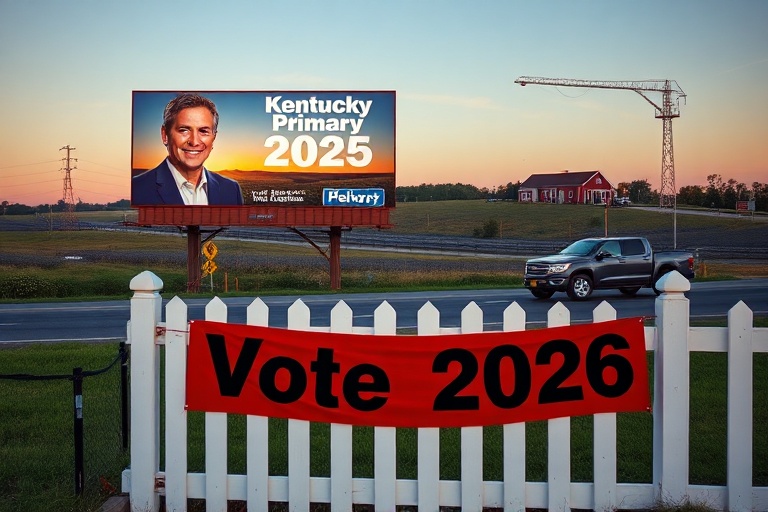
The Kentucky primary in 2026 is already shaping up to be a consequential contest, with implications that extend beyond the Bluegrass State. As national parties assess their strengths and weaknesses heading into the next election cycle, Kentucky’s primary will serve as a bellwether for broader political trends. The state’s unique blend of conservative voting patterns and regional economic challenges makes it a critical testing ground for emerging strategies in both major parties.
Historical Context and Voting Trends
Kentucky has long been a Republican stronghold in presidential elections, voting for the GOP candidate in every contest since 1996. However, its primary elections often reveal deeper divisions within the party, particularly on issues like economic policy and social conservatism. The 2026 primary will likely highlight these tensions as potential candidates position themselves for a potential rematch or new challengers emerge.
In recent years, Kentucky’s gubernatorial and congressional primaries have seen increased participation from grassroots movements on both sides of the political spectrum. The 2024 elections demonstrated that even in a deep-red state, intraparty dynamics can shift rapidly, particularly when economic issues like healthcare and infrastructure take center stage. These factors suggest that the 2026 primary could become a battleground for competing visions of the Republican Party’s future.
Key Factors Influencing the 2026 Primary
- Economic Priorities: Kentucky’s reliance on manufacturing, agriculture, and coal has created a complex economic landscape. Candidates will need to address job growth, healthcare access, and infrastructure investment to resonate with voters.
- Social Conservatism vs. Pragmatism: The state’s conservative base remains influential, but there is growing interest in pragmatic solutions to longstanding issues like opioid addiction and rural healthcare shortages.
- National Party Influence: As the Republican National Committee and Democratic National Committee refine their messaging, Kentucky’s primary will reflect broader national trends, including the rise of new factions within each party.
- Turnout Dynamics: High primary turnout in 2024 showed that Kentucky voters are engaged, but the 2026 primary could see shifts in demographic participation, particularly among younger and independent voters.
Potential Candidates and Strategic Considerations
While the field for the 2026 Kentucky primary remains uncertain, several figures could emerge as key players. On the Republican side, incumbent Governor Andy Beshear may face challenges from within his own party if he seeks higher office, while conservative firebrands and establishment-backed candidates could vie for the nomination. Meanwhile, Democrats will likely focus on mobilizing their base in urban areas like Louisville and Lexington, where progressive candidates have gained traction in recent years.
One of the most intriguing dynamics in Kentucky politics is the role of third-party and independent candidates. In 2024, several high-profile independents gained traction by appealing to disaffected voters on both sides of the aisle. If that trend continues, the 2026 primary could see an influx of non-traditional candidates who challenge the two-party system.
Campaign Strategies and Voter Outreach
Candidates in the 2026 Kentucky primary will need to adopt tailored strategies to connect with voters across the state’s diverse regions. Eastern Kentucky, with its ties to the coal industry, remains a critical area for Republican candidates, while Louisville and Lexington will be battlegrounds for Democrats. Rural areas, where economic struggles have fueled political discontent, will require candidates to address local concerns while avoiding the pitfalls of overly partisan rhetoric.
Digital campaigning will also play a significant role, particularly in reaching younger voters who are less likely to engage with traditional media. Social media platforms and targeted digital ads will be essential tools for candidates looking to build momentum early in the race. Meanwhile, grassroots organizing in key counties could determine which campaigns gain the upper hand in the final stretch.
Broader Implications for National Politics
The outcome of the 2026 Kentucky primary could reverberate beyond the state’s borders, influencing the strategies of both major parties in the lead-up to the presidential election. A high-turnout primary with unexpected results could signal shifting voter priorities, while a contentious contest might highlight divisions within the Republican or Democratic coalitions.
For Republicans, Kentucky’s primary will test the party’s ability to balance its conservative base with the need to appeal to a broader electorate. If progressive candidates gain traction in the Democratic primary, it could signal a shift toward more aggressive policy proposals in the general election. Meanwhile, the rise of independent candidates could force both parties to rethink their traditional campaign strategies.
Lessons from Recent Elections
The 2024 elections provided several key takeaways that could shape the Kentucky primary in 2026. First, economic issues consistently ranked as the top concern for voters, surpassing social and cultural debates. Second, voter turnout in primaries reached historic highs, suggesting that Kentuckians are increasingly engaged in the political process. Finally, the role of grassroots campaigns and digital organizing proved critical in mobilizing support for underdog candidates.
These trends suggest that the 2026 Kentucky primary will be closely watched by political analysts and party strategists alike. The state’s unique demographics and economic challenges make it a microcosm of broader national trends, offering insights into the evolving priorities of American voters.
Conclusion: What to Watch in 2026
The Kentucky primary in 2026 is more than just a state-level contest; it is a preview of the political battles that will define the next election cycle. Candidates who can address the state’s economic struggles while navigating its complex social dynamics will have the best chance of success. Meanwhile, the primary will serve as a litmus test for the Republican and Democratic parties, revealing which strategies resonate with voters in a rapidly changing political landscape.
As the race unfolds, observers should pay close attention to voter turnout patterns, the influence of grassroots movements, and the role of digital campaigning. These factors will not only determine the outcome of the Kentucky primary but could also shape the future of American politics.
For further analysis of how primary elections are shaping the political landscape, visit our Politics and Elections sections on Dave’s Locker.