<!DOCTYPE html>
<html lang="en">
<head>
    <meta charset="UTF-8">
    <meta name="viewport" content="width=device-width, initial-scale=1.0">
    <title>The Evolution of the Pitchfork: From Medieval Tool to Iconic Symbol</title>
</head>
<body>
    <article>
        <h1>The Evolution of the Pitchfork: From Medieval Tool to Iconic Symbol</h1>

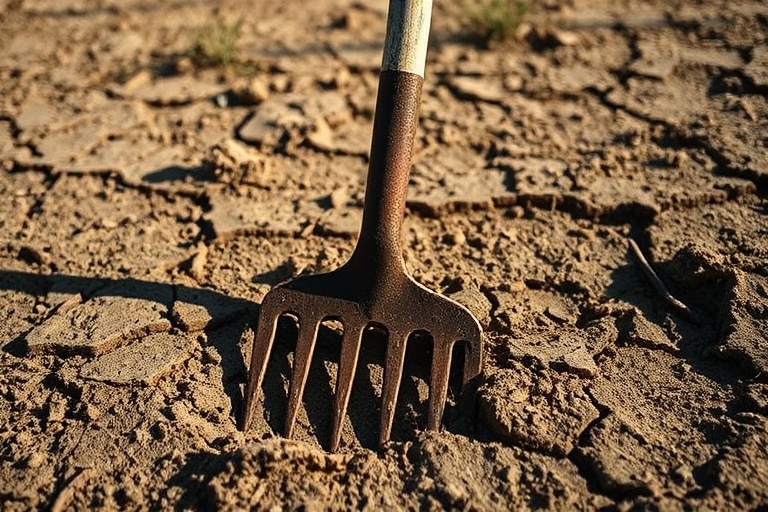
        <p>The pitchfork is more than just a farming implement. Over centuries, it has transformed from a practical tool into a cultural symbol, appearing in art, literature, and even political movements. Its design—a simple, three- or four-pronged fork mounted on a long handle—has remained largely unchanged since its inception, yet its significance has evolved dramatically. Today, the pitchfork represents everything from rural labor to rebellion, making it one of the most recognizable tools in history.</p>

        <p>To understand its modern-day resonance, we must first explore its origins and how it became embedded in the collective imagination. The pitchfork’s journey is one of utility, symbolism, and unexpected cultural crossover. From medieval fields to protest signs, its story is far more complex than it initially appears.</p>

        <h2>A Brief History of the Pitchfork</h2>

        <p>The pitchfork’s roots trace back to medieval Europe, where it emerged as an evolution of earlier haymaking tools like the forked stick and the rake. By the 14th century, blacksmiths began crafting metal-tined versions, which were more durable and efficient than wooden alternatives. These early pitchforks were essential for handling hay, straw, and manure—tasks critical to pre-industrial agriculture. Unlike the modern design, early versions often had curved tines, which made them better suited for lifting loose materials.</p>

        <p>As farming techniques advanced, so did the pitchfork. The Industrial Revolution brought about mass production, making the tool more accessible to farmers worldwide. By the 19th century, the straight-tined design we recognize today became the standard. This shift wasn’t just practical; it reflected broader changes in agricultural labor, as machines began to replace manual work. Yet, the pitchfork remained a staple in rural communities, a testament to its enduring utility.</p>

        <p>Interestingly, the pitchfork’s design also influenced other tools. The manure fork, grain shovel, and even certain types of rakes borrowed elements from its structure. This adaptability speaks to the pitchfork’s fundamental efficiency—a quality that has ensured its survival for generations.</p>

        <h2>The Pitchfork in Art and Literature</h2>

        <p>Artists and writers have long used the pitchfork as a visual and thematic device. In medieval and Renaissance art, it often appeared in depictions of peasant life, symbolizing labor and toil. One of the most famous examples is <em>Haymaking</em> by Pieter Bruegel the Elder, where pitchforks are visible tools in the hands of farmers. These representations weren’t just realistic; they carried social commentary, highlighting the harsh realities of rural existence.</p>

        <p>The pitchfork also found its way into literature, where it took on more symbolic roles. In <em>The Grapes of Wrath</em> by John Steinbeck, the pitchfork becomes an instrument of both sustenance and resistance. The novel’s iconic cover features a farmer holding a pitchfork, embodying the struggle of the working class during the Great Depression. Steinbeck’s use of the tool underscores its dual nature—it feeds families but also becomes a symbol of defiance against oppressive systems.</p>

        <p>In visual art, the pitchfork has been co-opted by movements beyond agriculture. Surrealists like Salvador Dalí used it in their works to evoke themes of violence and disruption. For example, Dalí’s <em>The Temptation of St. Anthony</em> features pitchfork-wielding figures, blending the mundane with the fantastical. This artistic reinterpretation demonstrates how a simple tool can transcend its original purpose, becoming a canvas for broader ideas.</p>

        <h2>The Pitchfork as a Symbol of Rebellion</h2>

        <p>Perhaps the pitchfork’s most enduring legacy is its association with rebellion. The tool has been wielded as a weapon in peasant uprisings, most notably during the English Peasants' Revolt of 1381. Peasants, armed with pitchforks and other farming tools, marched on London to protest oppressive taxes and feudalism. This uprising set a precedent for using agricultural implements as symbols of resistance—a theme that would recur in later centuries.</p>

        <p>In the United States, the pitchfork became a potent emblem during labor movements of the 19th and 20th centuries. Workers, many of whom were farmers or miners, adopted the pitchfork as a rallying symbol in strikes and protests. Its rustic, unpretentious appearance made it a relatable icon for the working class. Unlike polished tools of industry, the pitchfork represented raw, unfiltered power—the kind that comes from the land itself.</p>

        <p>Even in modern times, the pitchfork retains its rebellious edge. It has appeared in protest signs, political cartoons, and even graffiti. Its three or four tines make it easy to recognize, even in stylized form, ensuring its place as a shorthand for grassroots resistance. Whether in the hands of a medieval peasant or a contemporary activist, the pitchfork remains a potent reminder of the power of collective action.</p>

        <h2>The Pitchfork in Popular Culture</h2>

        <p>Today, the pitchfork is a fixture in popular culture, often used to evoke humor, horror, or nostalgia. One of its most memorable appearances is in the 1984 horror film <em>A Nightmare on Elm Street</em>, where Freddy Krueger’s glove is a nightmarish fusion of blades and a pitchfork. This design choice turned a mundane tool into a source of terror, proving its versatility as a cultural symbol.</p>

        <p>In comedy, the pitchfork is a staple of slapstick humor. Its long handle and sharp tines make it a perfect prop for physical gags, as seen in classic cartoons and vaudeville acts. The tool’s absurdity when used in non-agricultural contexts—such as trying to eat spaghetti with one—has cemented its place in comedic lore.</p>

        <p>The pitchfork has also found a home in music. Bands like Rage Against the Machine and System of a Down have used pitchfork imagery in their album art and performances to convey messages of rebellion and social justice. Even country musicians like Johnny Cash have referenced the pitchfork in songs, tying it to themes of hard work and perseverance. Its presence in these diverse genres highlights its ability to resonate across different cultural landscapes.</p>

        <p>For those interested in exploring more about the intersection of tools and culture, <a href="https://daveslocker.net/category/culture">Dave’s Locker’s Culture section</a> offers deep dives into similar topics. Whether it’s the symbolism of everyday objects or the stories behind historical artifacts, the site provides thoughtful analysis that complements our exploration of the pitchfork.</p>

        <h2>Why the Pitchfork Still Matters</h2>

        <p>The pitchfork’s journey from farm to symbol is a testament to its adaptability. It has served practical purposes, inspired artistic expression, fueled rebellion, and entertained audiences. Its simplicity belies its depth—it is, at once, a tool, an icon, and a weapon. In an age dominated by technology and digital innovation, the pitchfork reminds us of the enduring power of manual labor and the tools that make it possible.</p>

        <p>Moreover, the pitchfork challenges us to reconsider the objects around us. What starts as a humble implement can evolve into something far greater, carrying layers of meaning that reflect the societies that use it. The pitchfork’s story is a microcosm of human history—one of struggle, creativity, and reinvention.</p>

        <p>As we move forward, the pitchfork will likely continue to evolve. Whether it appears in a futuristic film as a relic of the past or becomes a new symbol in a modern protest movement, its legacy is secure. It is more than a tool; it is a blank canvas, ready to be filled with the stories of those who wield it.</p>

        <p>For further reading on the intersection of tools and history, explore <a href="https://daveslocker.net/category/history">Dave’s Locker’s History section</a>, where you’ll find articles that delve into the stories behind everyday objects and their cultural significance.</p>

        <p>The pitchfork’s tale is far from over. Like the tool itself, its story is one of endurance, adaptability, and unexpected reinvention.</p>
    </article>