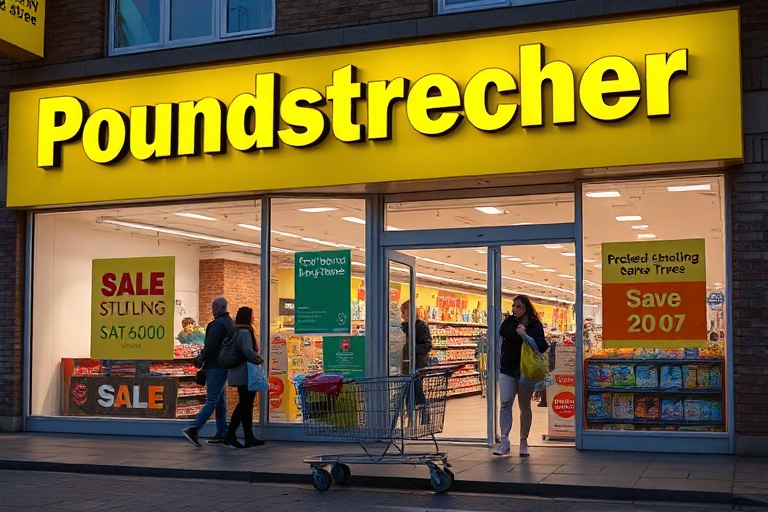
Poundstretcher has become a familiar name on British high streets, a symbol of accessible retail where shoppers can stretch their budgets further. Since its founding in 1981, the chain has evolved from a single store in Yorkshire to a network of over 400 locations across the UK. Its business model—selling a mix of household essentials, groceries, and seasonal goods at low prices—has allowed it to survive waves of economic downturns and shifting consumer habits.
The retailer’s longevity is not just a story of discount pricing but also of strategic adaptation in an era when many high street chains have struggled. As online shopping reshapes retail, Poundstretcher has maintained a physical presence, catering to communities that prioritize convenience and affordability. This article explores how the brand has carved its niche, its cultural significance in the UK, and what its future might look like in a rapidly changing retail landscape.
The Origins and Growth of a British Retail Icon
Poundstretcher began as a humble single-store operation in Burton-upon-Trent before expanding across the UK. Its early success stemmed from a simple yet effective formula: offering a wide range of products at fixed low prices, typically £1 or less at the time. This approach resonated with budget-conscious shoppers, particularly during the economic challenges of the 1980s and 1990s.
The brand’s growth accelerated in the 2000s, as it expanded its store footprint and diversified its product range. Poundstretcher introduced more branded items, fresh produce, and even financial services like payday loans to meet the needs of its customer base. By 2010, it had become one of the UK’s largest discount retailers, competing directly with chains like B&M, Home Bargains, and Aldi.
Unlike some of its competitors, Poundstretcher has maintained a strong focus on its core values—affordability and accessibility. This consistency has helped it build a loyal customer base, even as other retailers have struggled to keep up with changing trends.
How Poundstretcher Fits Into the UK’s Retail Landscape
Poundstretcher operates in a crowded market, where discount retailers vie for the attention of price-sensitive shoppers. Its main competitors include B&M, Home Bargains, and Poundland, each with its own strengths. Poundstretcher distinguishes itself through a mix of grocery items and non-food products, creating a one-stop shop for essentials.
The retailer’s stores are often located in smaller towns and suburban areas, where foot traffic is steady but not dominated by major supermarket chains. This positioning has allowed Poundstretcher to thrive in communities where convenience and affordability are top priorities. Its stores are typically larger than those of pound shops like Poundland, offering a broader selection of products under one roof.
In recent years, Poundstretcher has also embraced e-commerce, launching an online store to complement its physical locations. This move reflects a broader trend in retail, where even discount chains must adapt to the digital age. However, the majority of its sales still come from in-store purchases, highlighting the enduring appeal of brick-and-mortar shopping for many consumers.
Key Factors Behind Poundstretcher’s Success
- Affordability: The brand’s fixed-price model continues to attract budget-conscious shoppers, especially during periods of economic uncertainty.
- Diverse Product Range: From groceries to household goods, Poundstretcher offers a variety of products that cater to everyday needs.
- Community Focus: The retailer’s presence in smaller towns and suburban areas ensures it remains a staple in local communities.
- Adaptability: Poundstretcher has evolved its offerings over the years, adding fresh produce, branded items, and even financial services to meet changing customer demands.
Cultural Impact: More Than Just a Discount Store
Beyond its retail operations, Poundstretcher has woven itself into the fabric of British culture. For many shoppers, the store represents a lifeline during tough economic times. It’s a place where families can stock up on essentials without breaking the bank, and where small luxuries—like seasonal decorations or snacks—are accessible to all.
The retailer’s low-price ethos has also made it a subject of both praise and criticism. Some see it as a vital part of the high street, providing jobs and supporting local economies. Others argue that its business model perpetuates a race to the bottom in retail, where wages and working conditions may suffer. Despite these debates, Poundstretcher remains a trusted name for millions of Britons.
In popular culture, Poundstretcher has been referenced in TV shows, films, and even music, often as a symbol of everyday life in the UK. Its stores are a familiar sight in towns and cities alike, reinforcing its status as a retail institution.
The Future of Poundstretcher in a Changing Retail World
As the retail landscape continues to evolve, Poundstretcher faces both challenges and opportunities. The rise of online shopping and the dominance of supermarket giants like Tesco and Sainsbury’s have put pressure on discount retailers to innovate. However, Poundstretcher’s strong community ties and adaptable business model give it a fighting chance.
One area of growth for the retailer is its expansion into new product categories. In recent years, Poundstretcher has increased its focus on fresh produce, frozen foods, and even clothing. These additions aim to attract a broader customer base while maintaining its core appeal to budget-conscious shoppers.
The retailer has also invested in its digital presence, with plans to enhance its e-commerce platform. While online sales may never replace the in-store experience, they offer a valuable supplement, especially for customers in areas without a physical Poundstretcher location.
Looking ahead, Poundstretcher’s ability to stay relevant will depend on its willingness to adapt while staying true to its roots. For now, the retailer remains a staple on the UK high street, a testament to the enduring appeal of affordability and accessibility in retail.
What’s Next for Poundstretcher?
- Expansion of Product Range: More fresh and frozen foods, as well as seasonal items, could attract new customers.
- Enhanced Digital Presence: Improving its online store and delivery options could capture a larger share of the market.
- Community Engagement: Strengthening ties with local communities through partnerships and events could boost loyalty.
- Sustainability Initiatives: Introducing eco-friendly products or packaging could appeal to environmentally conscious shoppers.