Spider-Noir: How Web-Slinging Detectives Became a Global Obsession
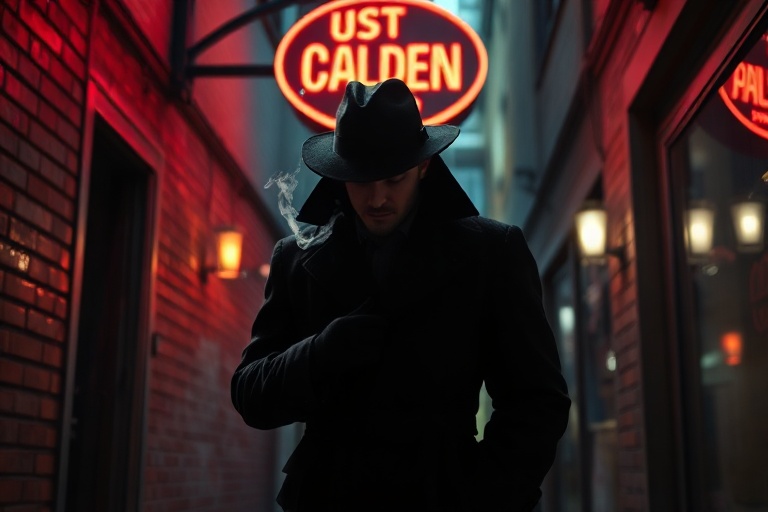
The neon glow of a rain-slicked street reflects off a fedora’s brim as a lone figure pauses mid-stride. One gloved hand rests on the grip of a pistol, the other adjusts a mask that conceals more than just identity. This isn’t a scene from a classic 1940s detective serial—it’s the unmistakable silhouette of spider-noir, a subgenre that blends the grit of hardboiled crime fiction with the supernatural allure of arachnid vigilantes.
Born from the pulp pages of comic books and the shadowy corridors of indie filmmaking, spider-noir has evolved into a global cultural force. Its appeal lies in the tension between the mundane and the extraordinary: a hero who swings through cityscapes yet grapples with the same moral ambiguities as any detective. From Tokyo’s cyberpunk back alleys to Berlin’s underground art scenes, creators worldwide are reimagining the spider as both protector and outcast, a symbol of resilience in a corrupt world.
The Origins: From Pulp to Pixel
The roots of spider-noir trace back to the early 20th century, when detective fiction dominated the literary landscape. Dashiell Hammett and Raymond Chandler crafted stories where the line between hero and antihero blurred, where violence was as common as whiskey, and where justice was a fleeting ideal. These themes found a natural home in comic books, particularly in the 1960s and 70s, when Marvel’s Spider-Man debuted in 1962.
Stan Lee and Steve Ditko’s creation wasn’t the first masked vigilante, but it was the first to ground its hero in a world of mundane struggles. Peter Parker’s battles weren’t just against supervillains—they were against rent, deadlines, and the weight of responsibility. This duality set the stage for spider-noir, where the superhero’s personal demons often mirrored those of the detectives who came before them.
As comic books matured in the 1980s and 90s, so did the noir influence. Frank Miller’s Batman: Year One (1987) and The Dark Knight Returns (1986) redefined the superhero as a figure of moral complexity, a trend that spilled into spider-themed works. Meanwhile, independent creators began experimenting with the genre, blending noir aesthetics with the fantastical.
A Global Phenomenon: Spider-Noir Around the World
The appeal of spider-noir isn’t confined to English-speaking audiences. Across continents, artists are reimagining the spider archetype through their own cultural lenses, creating a tapestry of interpretations that highlight universal themes of justice, isolation, and survival.
Japan: Cyberpunk and the Neon Spider
In Japan, spider-noir often intersects with cyberpunk, reflecting the country’s obsession with technology and urban decay. The 2018 anime My Hero Academia features characters like Tokoyami, whose Quirk (dark manipulation) and brooding demeanor evoke noir detectives. But it’s in indie manga and visual novels where the genre truly flourishes. Titles like Noir: Spider’s Song (a fictional work inspired by real underground comics) blend cyberpunk aesthetics with the loneliness of a hero fighting a system that dehumanizes its citizens.
Europe: The Spider as Outsider
In Europe, spider-noir often leans into political and social commentary. French artist Jean Giraud (better known as Moebius) incorporated noir elements into his work on The Incal, a sci-fi series where the protagonist, John Difool, is a hapless antihero navigating a dystopian galaxy. Meanwhile, German and Scandinavian creators have embraced the spider as a metaphor for immigration and displacement. Comics like Berlin Noir use arachnid imagery to explore themes of surveillance and alienation in modern cities.
Latin America: The Spider and the Struggle
In Latin America, spider-noir frequently addresses the region’s turbulent history. Mexican artist Jorge Aceves’s El Araña series reimagines the spider as a revolutionary figure, fighting against corruption and cartel violence. The stories draw from Mexico’s rich tradition of lucha libre wrestling and its masked heroes, blending them with the grit of detective noir. Similarly, Brazilian comics like Noir Tropical use the spider motif to critique social inequality and environmental destruction.
These global interpretations prove that spider-noir isn’t just a Western construct—it’s a flexible framework that adapts to local struggles while maintaining its core themes of justice and moral ambiguity.
The Visual Language of Spider-Noir
What defines spider-noir isn’t just its narrative themes but its visual language. The genre relies heavily on atmospheric details that evoke a sense of unease and melancholy. Here’s how creators achieve that mood:
- Color Palette: Muted tones—deep blues, sickly greens, and shadowy blacks—dominate, often contrasted with the occasional splash of red (a bloodstain, a neon sign) to draw the eye.
- Lighting: Low-key lighting with stark shadows is a staple, reminiscent of classic film noir. Streetlamps, flickering neon, and the glow of computer screens all play key roles in setting the mood.
- Composition: Wide-angle shots of sprawling cityscapes contrast with tight close-ups of the spider’s mask or hands, emphasizing isolation and vulnerability.
- Symbolism: Spiders themselves are loaded with meaning—webs represent entrapment, while the act of spinning can symbolize creation or destruction. Their eight legs often mirror the octagonal structure of a detective’s moral compass.
These elements come together to create a visual language that feels both timeless and urgently modern. Whether in comics, films, or video games, spider-noir’s aesthetic is instantly recognizable, a testament to its enduring appeal.
The Future of Spider-Noir: Where Do We Go From Here?
As audiences grow increasingly hungry for stories that blend genre with depth, spider-noir is poised to evolve in fascinating ways. One trend is the rise of interactive media, where players can step into the spider’s mask themselves. Games like Marvel’s Spider-Man: Miles Morales (2020) incorporate noir elements into their storytelling, with Miles navigating a city rife with corruption and personal challenges.
Another frontier is the fusion of spider-noir with other genres. We’re already seeing hybrids like horror-noir (e.g., Spider-Man: Into the Spider-Verse’s darker moments) and sci-fi-noir (e.g., Altered Carbon’s cyberpunk aesthetic). These blends allow creators to push the boundaries of what spider-noir can be, keeping the genre fresh and relevant.
Perhaps most exciting is the potential for spider-noir to tackle contemporary issues head-on. As climate change, surveillance capitalism, and political polarization dominate global discourse, the spider—long a symbol of adaptability—could become a vehicle for exploring these crises. Imagine a story where the spider isn’t just fighting supervillains but corporate entities that weave invisible webs of control over society.
The genre’s flexibility ensures its longevity. Whether it’s a comic book, a film, a video game, or an immersive theater experience, spider-noir will continue to resonate because it speaks to something fundamental in the human experience: the struggle to find light in the dark.
Why Spider-Noir Matters
At its core, spider-noir is about more than just masked heroes and crime-ridden cities. It’s a reflection of our collective anxieties and a celebration of resilience. The spider, with its ability to thrive in the most inhospitable environments, serves as a metaphor for the human spirit’s capacity to endure and adapt.
In a world where corruption, inequality, and environmental collapse loom large, spider-noir offers a way to confront these challenges through the lens of fiction. It reminds us that even in the darkest corners, there’s always a glimmer of hope—and sometimes, that hope comes with eight legs.
For creators and audiences alike, spider-noir is more than a genre—it’s a canvas. And as long as there are shadows to cast and truths to uncover, the spider will keep swinging.