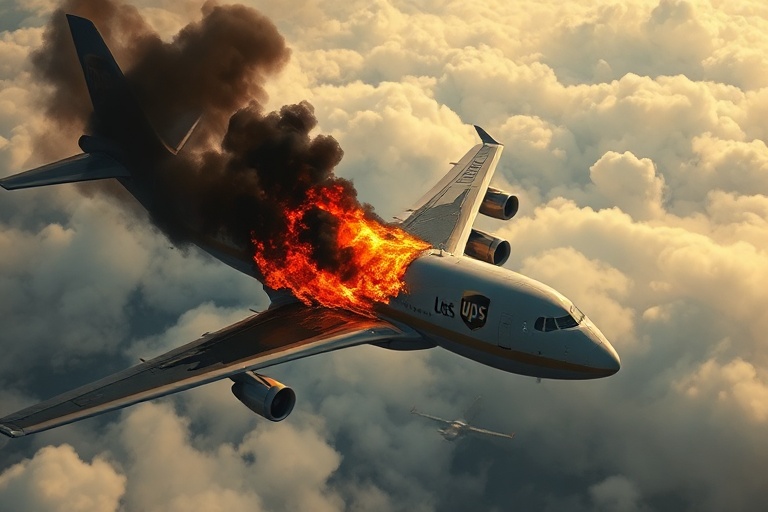
The aviation industry faced another stark reminder of its inherent risks on April 3, 2024, when a UPS cargo plane crashed in Louisville, Kentucky. The incident, which occurred during a routine flight from Louisville International Airport, resulted in the tragic loss of both pilots onboard. As investigators piece together the cause, the crash has reignited discussions about safety protocols, pilot fatigue, and the pressures facing air cargo operations in an era of relentless demand.
While commercial passenger flights often dominate headlines, cargo aviation operates under unique challenges. These aircraft frequently fly overnight routes to meet tight delivery windows, placing additional strain on crews working irregular schedules. The UPS crash occurred just after midnight, raising immediate questions about visibility conditions and crew alertness during non-traditional flight hours.
Timeline of the Crash and Immediate Response
According to preliminary reports from the National Transportation Safety Board (NTSB), the Airbus A300-600F aircraft took off from Runway 17L at Louisville International Airport at 11:58 PM local time. Witnesses reported seeing the plane appear to struggle shortly after liftoff, with flight tracking data showing an abrupt descent before impact.
The crash site was located approximately two miles northwest of the airport in a wooded area near Old Westport Road. Emergency responders, including the Louisville Metro Fire Department and Jefferson County Emergency Management, arrived within minutes. Despite their rapid response, both pilots were pronounced dead at the scene.
UPS released a statement expressing profound sadness and announcing the temporary suspension of all A300-600F operations pending further investigation. The company emphasized its commitment to safety while acknowledging the devastating nature of the incident.
Key Factors in the Investigation
As the NTSB begins its comprehensive probe, several critical elements will come under scrutiny:
- Weather conditions: While clear skies were reported at the time of the crash, wind shear and microbursts can develop rapidly in the Louisville area.
- Mechanical systems: The A300-600F has a documented history of maintenance issues, particularly with its flight control systems.
- Pilot fatigue: Cargo pilots often work extended shifts to meet delivery deadlines, potentially compromising alertness during critical flight phases.
- Air traffic control communications: Recordings from the tower will be examined for any unusual exchanges or missed warnings.
- Flight data recorders: The black boxes, recovered within hours of the crash, hold crucial information about the plane’s final moments.
Broader Implications for Air Cargo Safety
This incident arrives at a pivotal moment for the air cargo industry, which has expanded dramatically since the COVID-19 pandemic. The surge in e-commerce has led to increased flight frequencies and longer routes, pushing crews to their operational limits. While the UPS crash involved a cargo plane, passenger aircraft share many of the same systemic vulnerabilities.
Industry analysts point to several systemic issues that may require attention:
- Regulatory oversight: The Federal Aviation Administration has faced criticism for its reactive approach to safety enforcement in recent years. Some argue that tighter preemptive measures could prevent accidents before they occur.
- Crew scheduling: Current regulations allow cargo pilots to fly up to 100 hours per month, with no cap on weekly hours. This contrasts with passenger airline limits, raising questions about double standards in safety prioritization.
- Technological upgrades: Many cargo aircraft still rely on older avionics systems compared to their passenger counterparts. The integration of advanced collision avoidance and automated monitoring could reduce human error.
- Training protocols: Specialized training for cargo pilots, particularly in emergency procedures and adverse weather recognition, may need enhancement given their unique operational challenges.
The International Air Transport Association (IATA) reported a 14% increase in cargo traffic in 2023 alone. This growth, while economically beneficial, has stretched infrastructure and human resources thin. The UPS crash serves as a somber case study in how rapidly expanding industries can outpace safety considerations.
Human Cost and Industry Accountability
Beyond the technical investigation, the crash represents a profound human tragedy. Both pilots killed in the accident left behind families who now face the dual burden of grief and financial uncertainty. UPS has pledged to support the victims’ families, but the emotional toll cannot be quantified.
This incident also raises ethical questions about corporate responsibility. As companies race to meet customer demands for same-day delivery, the pressure on pilots and maintenance crews intensifies. The question becomes whether profitability should ever supersede safety considerations in an industry where lives are at stake.
Historically, air cargo accidents have received less public attention than passenger crashes, despite their equal potential for devastation. This disparity may stem from the perception that cargo operations primarily transport goods rather than people. However, the human element remains constant – every flight, regardless of its cargo, depends on skilled professionals making split-second decisions.
As we await the NTSB’s final report, the UPS crash should serve as a catalyst for broader industry introspection. The findings may reveal technical failures, but they could also expose deeper systemic issues that have been allowed to persist unchecked.
Moving Forward: Recommendations and Preventative Measures
While the investigation continues, several proactive steps could mitigate future risks:
- Implementing mandatory rest periods between extended cargo flights
- Upgrading older cargo aircraft with modern safety technology
- Establishing a federal database to track pilot fatigue complaints across all airlines
- Enhancing transparency in maintenance records and repair histories
- Conducting unannounced safety audits at cargo facilities nationwide
For those interested in aviation safety trends, our News section regularly covers regulatory changes and emerging technologies. For a deeper analysis of cargo operations, visit our Analysis section, which examines the intersection of economics and safety in modern logistics.
Conclusion: Learning from Tragedy
The UPS plane crash demands more than just technical answers. It requires a fundamental reexamination of how we prioritize safety in an industry that operates at the speed of commerce. The pilots who lost their lives deserve more than a technical investigation—they deserve a commitment to ensuring their sacrifice was not in vain.
As consumers continue to expect faster delivery times and companies push for maximum efficiency, the invisible workforce of cargo pilots and ground crews bears an increasingly heavy burden. The lessons from this crash must extend beyond regulatory adjustments to include a cultural shift in how we value human life in the pursuit of profit.
In the coming months, as investigators release their findings, the aviation industry will face difficult questions. The answers will shape not just the future of air cargo safety, but the very ethos of an industry that has long prided itself on precision and reliability.
For now, the skies remain open for business, but the tragedy in Louisville serves as a stark reminder that every flight—whether carrying packages or passengers—begins and ends with human beings who deserve our utmost care and respect.