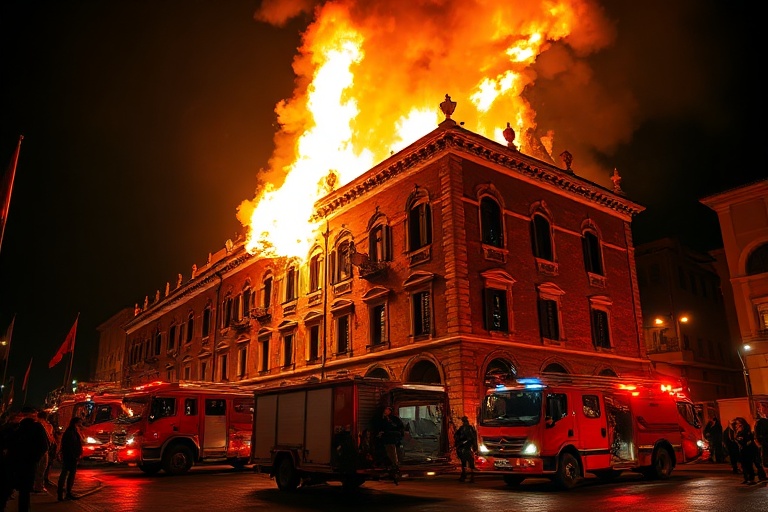
The Verona fire on the evening of October 12 sent shockwaves through the community, leaving residents and officials scrambling to assess the damage and determine the cause. While the flames were contained within hours, the incident has raised broader concerns about emergency response times, infrastructure resilience, and the adequacy of local disaster preparedness plans.
This isn’t just another isolated event. Verona’s fire, like many urban blazes, unfolded amid a complex web of factors—aging electrical systems, dense housing stock, and the lingering effects of extreme weather patterns. Understanding what happened, and why, requires looking beyond the immediate flames to the systemic issues that often go unnoticed until disaster strikes.
Timeline of the Verona Fire Incident
The fire was first reported at 7:42 PM near the intersection of Maple Avenue and Fifth Street in central Verona. Eyewitnesses described thick black smoke billowing into the sky within minutes, quickly overtaking a two-story apartment building and adjacent commercial properties. Firefighters from five surrounding stations arrived within seven minutes, an impressive response time that nonetheless couldn’t prevent significant structural damage.
By 9:15 PM, the fire was declared under control, though embers continued to smolder for several hours. Authorities initially evacuated 47 residents, including 12 children and three elderly individuals. Miraculously, no fatalities were reported, though six firefighters suffered minor injuries battling the blaze.
What made this incident particularly challenging was the rapid spread, fueled by strong winds and the building’s outdated sprinkler system. Investigators later confirmed that the fire originated in an overheated electrical panel in the basement, a finding that has since prompted calls for stricter building code enforcement.
Root Causes and Systemic Issues
While every fire has a spark, the Verona incident didn’t happen in isolation. Several underlying factors contributed to its severity and the challenges in containing it:
- Infrastructure Age: Many buildings in central Verona were constructed before modern fire safety codes, leaving them vulnerable to electrical faults and rapid fire spread.
- Emergency Response Bottlenecks: Despite prompt firefighter arrival, limited hydrant access on side streets delayed water pressure stabilization.
- Climate-Related Stress: Recent heatwaves had pushed electrical systems to their limits, increasing the risk of overload and ignition.
These aren’t hypothetical concerns. Verona’s fire marshal confirmed that over 60% of residential buildings in the affected zone lack updated sprinkler systems. That statistic alone underscores a systemic vulnerability that could affect any city with aging infrastructure.
Moreover, the incident has reignited debates about emergency funding. Verona’s fire department operates with one of the lowest per-capita budgets in the state, a reality that has forced difficult choices between staffing, equipment upgrades, and community outreach programs.
Broader Implications for Urban Fire Safety
The Verona fire isn’t an anomaly—it’s a warning. Cities across the country, from Chicago to Los Angeles, are grappling with similar pressures: rising temperatures, older housing stock, and strained municipal budgets. What sets Verona apart is the visibility of the crisis and the immediate community response.
Within 48 hours of the fire, local advocacy groups launched a fundraiser that exceeded $120,000 in donations, earmarked for displaced residents and fire safety advocacy. This grassroots momentum is critical, as it shifts the narrative from reactive damage control to proactive prevention.
There are lessons here for policymakers and residents alike. For cities, it’s a call to audit aging infrastructure and invest in modern safety systems. For homeowners, it’s a reminder to check electrical panels, test smoke alarms, and ensure emergency exits are unobstructed.
What Happens Next?
The Verona fire investigation is ongoing, with a final report expected in early November. Meanwhile, city officials have announced a series of town halls to address resident concerns and outline short-term recovery plans.
One immediate change is a temporary moratorium on basement apartment conversions until all electrical systems in those units undergo safety inspections. While this may ease concerns temporarily, it also highlights a deeper tension between housing demand and safety standards.
For now, Verona’s recovery is a work in progress. The community’s resilience will be tested in the coming months as displaced families seek housing and businesses weigh the cost of repairs against relocation. Yet, amid the uncertainty, one thing is clear: the fire has forced a long-overdue conversation about safety, accountability, and the cost of inaction.
As one local resident put it, “We can’t bring back what was lost, but we can make sure this never happens again.” That sentiment captures the spirit of renewal that often emerges in the wake of urban disasters—if leaders and communities choose to act on it.
For those interested in similar safety issues, explore our News and Analysis sections for deeper insights into emergency response and policy trends.