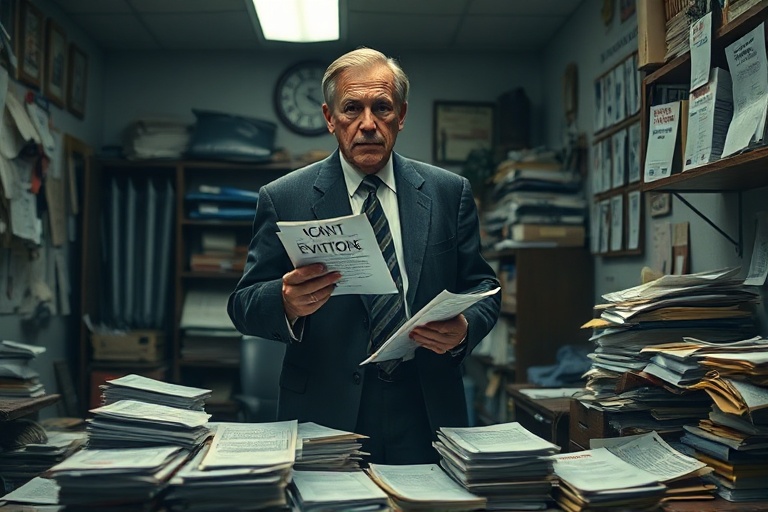
The landlord-tenant relationship has existed for centuries, yet its dynamics continue to shift with economic, social, and political changes worldwide. Far from being a simple transaction of shelter for rent, this relationship now reflects broader issues like housing affordability, urbanization, and legal rights. From the tenement buildings of 19th-century Europe to today’s global real estate markets, the landlord’s role has adapted to meet the demands of an ever-changing world.
In some cultures, landlords hold significant social influence, while in others, they face increasing scrutiny over their practices. This article examines the modern landlord’s responsibilities, the challenges they face, and how different regions approach rental housing. By exploring these perspectives, we gain insight into a profession that remains both essential and controversial.
The Landlord’s Responsibilities Across Different Systems
Landlords operate within legal frameworks that vary widely from country to country. In many Western nations, such as the United States and much of Europe, landlords must adhere to strict regulations governing tenant rights, property maintenance, and eviction procedures. For example, in New York City, landlords are required to provide habitable living conditions under the warranty of habitability, which mandates heat, hot water, and pest control.
In contrast, some Asian countries have more flexible rental markets. In Japan, the concept of jūtaku kanri (housing management) emphasizes mutual respect between landlords and tenants, often leading to long-term leases with fewer disputes. Meanwhile, in South Africa, the landlord-tenant relationship is heavily influenced by historical inequalities, with many laws designed to protect tenants from exploitation.
These diverse approaches highlight a key truth: the landlord’s role is not just about collecting rent but also about navigating a complex web of legal, cultural, and ethical considerations. Failure to meet these responsibilities can result in financial penalties, legal action, or reputational damage.
Common Landlord Obligations
- Maintaining the property in a safe and habitable condition
- Respecting tenant privacy and adhering to notice periods for inspections
- Handling security deposits according to local laws
- Ensuring compliance with building codes and zoning regulations
- Addressing repair requests in a timely manner
The Challenges Landlords Face Today
Despite the necessity of their role, landlords today encounter numerous challenges that complicate their operations. One of the most pressing issues is the rise of short-term rental platforms like Airbnb, which have disrupted traditional long-term rental markets. In cities such as Barcelona and Berlin, local governments have imposed strict regulations on short-term rentals to combat housing shortages, forcing landlords to reconsider their business models.
Economic instability also poses a threat. High interest rates, inflation, and rising property taxes can squeeze landlords’ profit margins, particularly those with large portfolios. In the United Kingdom, many small-scale landlords have sold their properties due to increased regulations and financial pressures, reducing the availability of rental housing.
Another challenge is the growing demand for sustainability. Modern tenants increasingly prioritize eco-friendly features such as energy-efficient appliances, solar panels, and green building certifications. Landlords who fail to adapt risk losing tenants to more progressive competitors. Some governments, such as those in Scandinavia, offer tax incentives for landlords who invest in sustainable upgrades, demonstrating how policy can shape industry trends.
Cultural Perspectives on Landlordship
The perception of landlords varies dramatically across cultures, often reflecting historical and socioeconomic contexts. In some societies, landlords are viewed as pillars of the community, providing essential housing while maintaining properties to high standards. In parts of the Middle East, for instance, landlords often develop long-term relationships with tenants, offering not just shelter but also social support.
Conversely, in other regions, landlords are seen as exploitative figures, particularly in areas with weak tenant protections. In India, where urban housing shortages are severe, landlords in major cities like Mumbai have been criticized for charging exorbitant rents and neglecting maintenance. This has led to grassroots movements advocating for tenant rights and stricter regulations.
In post-socialist countries like Poland and Hungary, the transition from state-controlled housing to private ownership created a new class of landlords overnight. Many of these individuals lacked experience in property management, leading to inconsistent standards and tenant dissatisfaction. Over time, however, professional property management firms have emerged to fill this gap, offering landlords the expertise needed to navigate the rental market successfully.
Future Trends and the Changing Face of Landlordship
The future of landlordship will likely be shaped by technological innovation and shifting societal values. Proptech (property technology) is already transforming the industry, with tools like smart locks, automated rent collection, and AI-driven maintenance scheduling becoming more common. These technologies streamline operations and enhance tenant experiences, making property management more efficient.
Another trend is the rise of corporate landlords, particularly in the United States, where investment firms have purchased thousands of single-family homes to rent out. While this has expanded the availability of rental housing, it has also raised concerns about the corporatization of residential spaces, with tenants reporting less personalized service and increased rent hikes.
As climate change becomes an increasingly urgent issue, landlords will also face pressure to adopt sustainable practices. From installing electric vehicle charging stations to retrofitting buildings for energy efficiency, the most forward-thinking landlords are already making these investments to future-proof their properties.
Key Takeaways for Aspiring Landlords
- Understand and comply with local rental laws to avoid legal pitfalls.
- Invest in property maintenance and tenant communication to build long-term relationships.
- Stay informed about market trends, including the impact of short-term rentals and sustainability demands.
- Consider leveraging technology to improve efficiency and tenant satisfaction.
- Adapt to cultural expectations and societal shifts to remain relevant in a competitive market.
Conclusion
The role of the landlord is far more nuanced than it may appear at first glance. It is a profession that demands a delicate balance of legal compliance, financial acumen, and interpersonal skills. As global housing crises intensify and tenant expectations evolve, landlords must adapt or risk becoming obsolete. Whether through embracing technology, prioritizing sustainability, or fostering community relationships, the most successful landlords will be those who view their role as more than just a business—they will see it as a commitment to providing safe, affordable, and desirable living spaces.
For those considering entering the rental market, thorough research and preparation are essential. The challenges are real, but so are the opportunities for those willing to innovate and engage thoughtfully with their communities. As the world changes, so too must the landlord, ensuring that their properties remain not just habitable, but truly valuable to their tenants.