The Quiet Decline of the Mall: How Retailer Store Closures Are Reshaping Consumer Culture
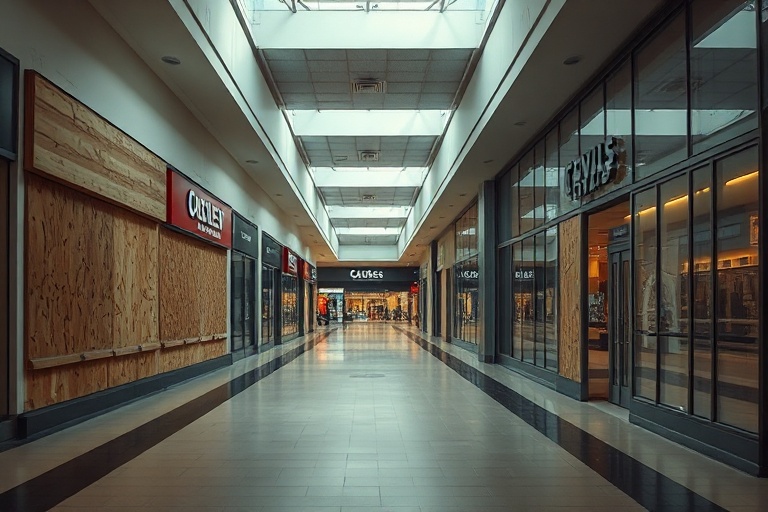
The once-thriving hubs of social and commercial life are now facing an unprecedented wave of closures. Mall retailer store closures have accelerated in recent years, leaving behind empty storefronts and shifting consumer habits. What began as a retail revolution in the 20th century now confronts a digital-first future that few could have predicted.
Malls were more than just shopping centers; they were community landmarks. In the United States alone, over 1,000 stores closed in 2023, according to retail analytics firm Coresight Research. The trend mirrors similar patterns in Europe and Asia, where e-commerce and changing lifestyles have eroded the traditional mall model. This shift is not just economic—it reflects deeper cultural transformations in how people interact with commerce and public spaces.
The Global Ripple Effect of Store Closures
North America has been the epicenter of mall decline, but the phenomenon is spreading. In Canada, major retailers like Hudson’s Bay have shuttered dozens of locations, while in Europe, department stores such as Debenhams in the UK have collapsed entirely. Even in Japan, where malls once symbolized futuristic retail, chains like Sogo have filed for bankruptcy.
Several factors contribute to this global trend:
- E-commerce dominance: Online shopping continues to grow, with platforms like Amazon and Alibaba capturing a larger share of consumer spending.
- Rising operational costs: Malls face increasing expenses for rent, maintenance, and security, squeezing profit margins for retailers.
- Shifting consumer preferences: Younger generations prioritize experiences over tangible goods, reducing demand for traditional retail.
- Post-pandemic behavior: Remote work and hybrid lifestyles have diminished foot traffic in physical shopping centers.
These closures are not isolated incidents but part of a broader retail realignment. Landlords are reimagining mall spaces, converting them into mixed-use developments with residential units, offices, and entertainment venues. Yet, the transition is uneven, with some malls thriving while others fade into obsolescence.
The Cultural Shift Behind the Decline
The decline of malls is more than an economic issue—it’s a cultural shift. Malls were once symbols of suburban prosperity, places where families spent weekends browsing stores and enjoying communal spaces. Today, those spaces feel outdated to many, especially younger shoppers who associate malls with consumerism rather than community.
In the United States, the mall’s decline has been decades in the making. The rise of big-box retailers like Walmart and Target in the 1980s and 1990s drew shoppers away from enclosed malls. Later, the internet delivered the final blow, making it easier to purchase goods without stepping outside. Yet, the mall’s cultural footprint persists in unexpected ways.
Consider the nostalgia factor. Movies like Fast Times at Ridgemont High and Clueless immortalized malls as social hubs. Today, Gen Z and millennials revisit these spaces through retro aesthetics, with vintage mall photography and TikTok trends celebrating their architectural quirks. Some malls have even pivoted to become tourist attractions, like the Mall of America in Minnesota, which blends retail with amusement parks and aquariums.
Adaptation or Extinction? The Future of Mall Retail
The malls that survive are those that adapt. Some have embraced experiential retail, offering interactive displays, pop-up events, and in-store technologies like augmented reality. Others have downsized, focusing on high-margin tenants rather than sprawling department stores.
In Asia, where mall culture remains strong, developers are integrating technology to enhance the shopping experience. In China, malls like Beijing’s Sanlitun Village combine luxury retail with food halls and entertainment zones. Meanwhile, in Europe, some malls are being repurposed as community centers, hosting farmers’ markets, co-working spaces, and cultural events.
Yet, the challenges remain significant. The U.S. alone has over 1,000 malls, and experts estimate that nearly a quarter could close within the next five years. The survivors will likely be those that offer something beyond shopping—whether it’s dining, entertainment, or a unique brand experience.
For retailers still operating in malls, the message is clear: innovate or risk irrelevance. Brands that prioritize convenience, sustainability, and engagement are more likely to thrive. Those clinging to outdated models will join the growing list of mall casualties.
What’s Next for Shopping Centers?
The mall’s evolution is far from over. As urbanization accelerates, some malls are being demolished to make way for residential and commercial developments. Others are being transformed into logistics hubs for same-day delivery services. The most resilient malls will likely become hybrid spaces, blending retail with living, working, and leisure.
For consumers, the changes are bittersweet. Many will miss the nostalgia of mall culture, while others embrace the convenience of digital shopping. The challenge for mall operators is to create spaces that feel indispensable—a tall order in an era where convenience often trumps tradition.
One thing is certain: the mall as we knew it is disappearing. What replaces it will define the next chapter of retail and public space design.
For more insights on retail trends, explore our Business and Fashion categories.
A Final Look at the Numbers
To underscore the scale of the shift, consider these statistics:
- Over 1,000 U.S. store closures were announced in the first half of 2024.
- E-commerce now accounts for nearly 20% of total U.S. retail sales, up from 10% in 2019.
- In the UK, high street footfall declined by 15% in 2023 compared to pre-pandemic levels.
- Mall occupancy rates in major Asian markets have stabilized, but growth is slowing.
- Repurposed malls now include data centers, medical facilities, and even indoor farms.
These figures paint a clear picture: the mall’s future is not one of decline but of reinvention. The question is whether that reinvention will preserve its cultural significance or erase it entirely.