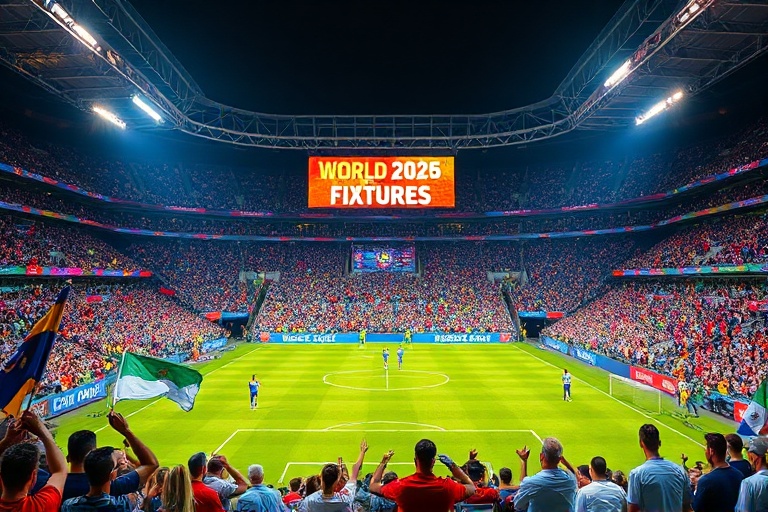
World Cup Fixtures 2026: What to Expect from the Tournament
World Cup Fixtures 2026: An Overview
The 2026 FIFA World Cup is set to be a monumental event, not only because of its scale but also due to the unique hosting arrangements. For the first time in history, three nations—Canada, the United States, and Mexico—will jointly host the tournament. This collaborative effort promises to bring together diverse cultures and a wide array of soccer fans, creating an exciting atmosphere across North America.
The tournament is scheduled to take place from June to July 2026, featuring an expanded format with 48 teams competing. This increase from the traditional 32 teams means more matches, more excitement, and more opportunities for fans to witness world-class soccer.
Key Fixtures and Dates
The exact fixtures for the 2026 World Cup are yet to be finalized, but here’s what we know so far:
- Opening Match: The tournament will kick off in June 2026, with the opening match likely to take place in a major U.S. city.
- Group Stage: The group stage will consist of 16 groups of three teams each, leading to a total of 80 matches.
- Knockout Rounds: The knockout phase will begin after the group stage, culminating in the final match scheduled for July 2026.
- Locations: Matches will be held in various cities across Canada, the U.S., and Mexico, including iconic stadiums like MetLife Stadium in New Jersey and Estadio Azteca in Mexico City.
Impact on Host Nations
The 2026 World Cup is expected to have far-reaching implications for the host countries. Economically, the influx of tourists will provide a significant boost to local businesses, hotels, and restaurants. This financial windfall can lead to job creation and increased investment in infrastructure. However, the challenge lies in managing this growth sustainably to ensure long-term benefits.
Socially, the event will foster a sense of unity and pride among the host nations. Soccer has a unique ability to bring people together, and the World Cup will serve as a platform for cultural exchange. Fans from different backgrounds will congregate, creating a vibrant atmosphere that celebrates diversity.
Broader Implications for Soccer
The expansion to 48 teams is not merely a logistical change; it represents a shift in the global soccer hierarchy. More teams from smaller footballing nations will now have the opportunity to compete on the world stage. This could lead to a more competitive tournament and the emergence of new soccer powerhouses.
Furthermore, the joint hosting model may set a precedent for future tournaments. It showcases the potential for collaboration among nations, which can enhance international relations and promote a spirit of camaraderie. This approach could pave the way for more shared events in sports and beyond.
Conclusion
As we look forward to the 2026 World Cup fixtures, the excitement is palpable. The collaboration between Canada, the U.S., and Mexico heralds a new era for the tournament. With an expanded format, diverse locations, and the promise of unforgettable moments, the 2026 World Cup is poised to be a landmark event in soccer history. Fans around the globe are already marking their calendars, eagerly anticipating a summer filled with thrilling matches and unforgettable experiences.
For more information on sports events and analysis, visit our Sports category page or check out the latest news in our News section.