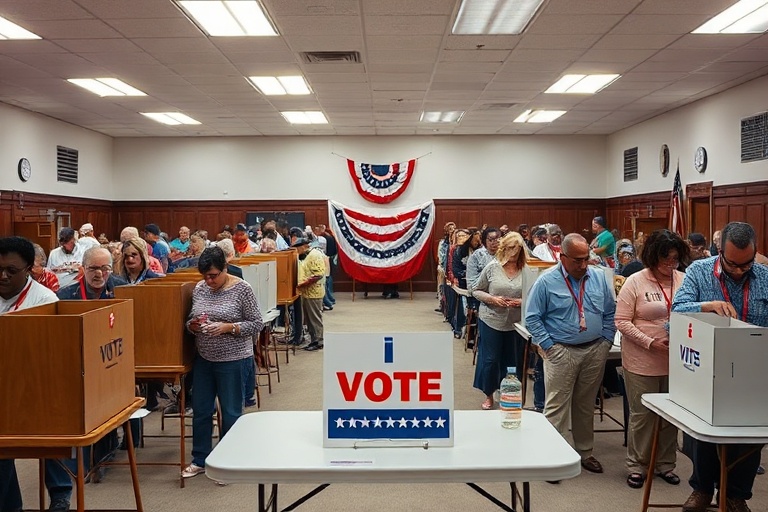
The 2026 elections in Alabama are shaping up to be one of the most consequential political cycles in recent memory. With high-stakes races for governor, congressional seats, and state legislature, the outcomes will influence policy direction, economic priorities, and the state’s political identity for years to come. As candidates begin to emerge and platforms take shape, the groundwork is being laid for a campaign season that could redefine Alabama’s role in national politics.
Key Races Taking Shape in Alabama for 2026
Several high-profile races are already capturing attention across Alabama. The gubernatorial contest is expected to draw significant interest, particularly as incumbent Governor Kay Ivey nears the end of her second term and faces potential term limits. While Ivey has not officially announced her intentions, speculation about her future—including possible federal appointments or retirement—adds uncertainty to the race.
Other key positions are also in play:
- U.S. Senate Seat: Senator Tommy Tuberville’s current term expires in 2026. Given his polarizing tenure, both major parties are likely to field strong challengers in what could become a battleground race.
- Congressional Districts: Redistricting following the 2020 Census means several districts could see competitive races, especially in urban areas like Birmingham and Mobile.
- State Legislature: All 105 seats in the Alabama House and 35 in the Senate will be up for election, with education funding, healthcare, and economic development likely to dominate debates.
Early polling suggests a tight race in several districts, with voter sentiment reflecting broader national trends—economic concerns, social issues, and trust in leadership at the forefront of discussions.
Policy Debates That Will Define the Campaign
The 2026 elections will not only hinge on personalities but also on the policy visions candidates present. Education remains a perennial issue in Alabama, where per-pupil spending consistently ranks among the lowest in the nation. Candidates are expected to propose divergent plans: some may advocate for increased state funding, while others could push for expanded school choice initiatives.
Healthcare is another critical topic, particularly in rural areas where access to medical services is limited. Medicaid expansion, long debated in the state legislature, could become a central campaign issue. Advocacy groups are already mobilizing, framing the election as a referendum on whether Alabama will join the majority of states in expanding coverage under the Affordable Care Act.
Economic development and job growth are also likely to dominate discussions. Alabama has made strides in attracting major industries, including automotive manufacturing and aerospace, but wages remain stagnant in many regions. Candidates will need to address how to balance corporate incentives with investments in workforce training and infrastructure.
National Implications of Alabama’s 2026 Elections
While Alabama is not typically a swing state in presidential elections, its congressional delegation holds significant influence in Washington. The outcomes of the 2026 races could shift the balance of power in the U.S. House and Senate, particularly if closely contested seats flip. Additionally, Alabama’s role in presidential primaries—often an early testing ground for Republican candidates—could shape the 2028 race.
Beyond Capitol Hill, Alabama’s elections serve as a bellwether for broader political trends. The state’s growing urban-rural divide mirrors challenges faced by many other Southern states. How candidates navigate these tensions—appealing to both metropolitan voters and conservative base supporters—will offer clues about the future direction of the Republican Party and the Democratic Party’s ability to regain ground in the Deep South.
What Voters Should Watch as the Race Progresses
As candidates ramp up their campaigns, voters should pay attention to several factors that will shape the election’s outcome:
- Candidate Fundraising: Early donations and spending will indicate which races are gaining momentum. High-profile candidates with deep pockets may deter challengers.
- Voter Turnout Trends: Alabama’s primary turnout has historically been low, but demographic shifts—particularly among younger voters—could alter the calculus.
- Debate Over Election Integrity: Following national debates on voting laws, Alabama’s approach to election administration will be scrutinized, especially in light of recent legislative changes.
- Cross-Endorsements and Alliances: Coalitions between business groups, labor unions, and advocacy organizations will signal where candidates stand on key issues.
- Media and Digital Campaigning: The role of social media, local news outlets, and digital advertising will be pivotal in reaching voters across a state with diverse media markets.
The 2026 elections in Alabama are more than a local contest—they are a microcosm of the nation’s political and cultural divides. The results will not only determine who leads the state but also how Alabama positions itself in an increasingly polarized America. For political observers, the race offers a chance to assess whether traditional conservative values can coexist with calls for modernization or if the state will experience a seismic shift in its political landscape.
For those interested in the broader context of Alabama’s political evolution, resources such as Dave’s Locker Politics section and Dave’s Locker Analysis section provide deeper insights into the forces shaping the state’s future.
Conclusion
The Alabama elections of 2026 are poised to be a defining moment for the state’s political trajectory. With high-stakes races, contentious policy debates, and national implications, the campaign season promises to be both unpredictable and consequential. As candidates take the stage and voters prepare to cast their ballots, the choices made in 2026 will echo far beyond Alabama’s borders, influencing the direction of the South and the nation as a whole.
For Alabama’s electorate, the stakes could not be higher. The outcomes will determine whether the state continues on its current path or embraces a new vision for its future. One thing is certain: the 2026 elections will be a story worth watching.