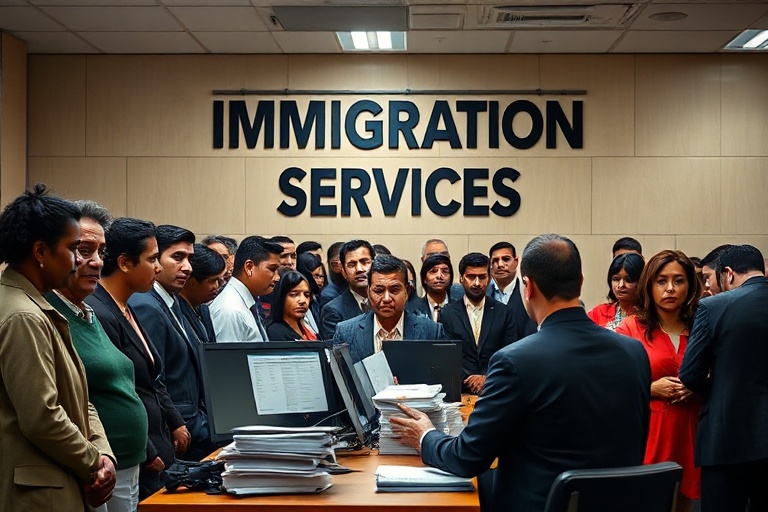
Analysis of Trump’s Banking Immigration Status Order and Its Impact
Understanding Trump’s Banking Immigration Status Order
The Trump administration’s banking immigration status order has stirred significant discussion across various sectors. This policy impacts the financial landscape for immigrants and has broader implications for the economy and social fabric of the United States. It is essential to analyze this order’s components and its potential effects on different communities.
Key Components of the Order
At its core, the banking immigration status order aims to create a more stringent framework for immigrants seeking access to banking services. Several elements define this policy:
- Verification of Immigration Status: Banks are required to verify the immigration status of clients before opening accounts or providing loans.
- Increased Reporting Requirements: Financial institutions must report suspicious activities linked to undocumented immigrants.
- Access to Credit: The order may limit access to credit for immigrants, affecting their ability to invest in businesses or secure housing.
- Impact on Community Banks: Smaller banks, often serving immigrant populations, might struggle to comply with the new regulations.
These components reflect a shift towards a more restrictive approach to financial services for immigrants, raising concerns about discrimination and access to essential resources.
Global Perspective on Immigration and Banking
Examining this order in a global context reveals that the relationship between immigration and banking is not unique to the United States. Many countries grapple with similar issues, though the approaches vary significantly. For instance, Canada has implemented policies that facilitate financial inclusion for immigrants, while countries in Europe are divided on their stance towards immigrant banking rights.
In the UK, recent regulations have sought to prevent financial institutions from discriminating against clients based on their immigration status. This contrasts sharply with the U.S. order, which could exacerbate existing inequalities. The differing approaches highlight the cultural and political factors influencing each nation’s immigration policies, showcasing a spectrum of acceptance and resistance.
Economic Implications of the Order
The economic ramifications of the banking immigration status order are profound. By restricting financial access for immigrants, the order could hinder economic growth. Immigrants contribute significantly to the economy, often filling labor shortages and driving innovation. Limiting their access to banking services could stifle their entrepreneurial spirit and reduce overall contributions to the economy.
Furthermore, community banks that serve immigrant populations may face challenges in adapting to the new requirements. These banks often play a crucial role in local economies, providing services that larger institutions overlook. If they are unable to comply, it could lead to a reduction in available banking services for vulnerable populations.
- Reduced Economic Activity: Immigrants may be unable to secure loans for starting businesses.
- Increased Financial Exclusion: Undocumented individuals may resort to informal financial channels, which are often predatory.
- Impact on Local Economies: Community banks may struggle to survive, leading to job losses.
Conclusion
The banking immigration status order implemented during the Trump administration represents a significant shift in how financial institutions engage with immigrant communities. By mandating stricter verification processes and reporting requirements, this policy risks creating barriers that could hinder economic growth and exacerbate inequalities. As other countries navigate similar challenges, the global perspective on immigration and banking remains crucial for understanding the broader implications of such policies.
As the landscape continues to evolve, it will be essential to monitor how these regulations affect immigrants and the economy. The conversation surrounding immigration and banking is far from over, and its outcomes will shape the future of both immigrants and the financial institutions that serve them.
For more insights into related topics, check out our sections on News and Business.