Argentina World Cup Squad: How the 2022 Champions Made History
“`html
Argentina’s World Cup Squad: A Blend of Legacy and Emerging Talent
The Argentina national football team has long been a cornerstone of global football, celebrated for its technical brilliance, passionate fanbase, and relentless pursuit of excellence. The squad that captured the 2022 FIFA World Cup in Qatar was no exception—it was a masterclass in blending seasoned veterans with rising stars. This victory not only reaffirmed Argentina’s status as a footballing powerhouse but also showcased the evolution of the sport in South America and beyond.
The journey to the World Cup title was fraught with challenges, from the group stage to the knockout rounds. Yet, under the guidance of coach Lionel Scaloni, Argentina’s squad demonstrated resilience, tactical discipline, and an unshakable belief in their abilities. The team’s style of play, characterized by quick transitions, precise passing, and clinical finishing, captivated audiences worldwide and left an indelible mark on football history.
The Core of the Squad: Veterans Leading the Charge
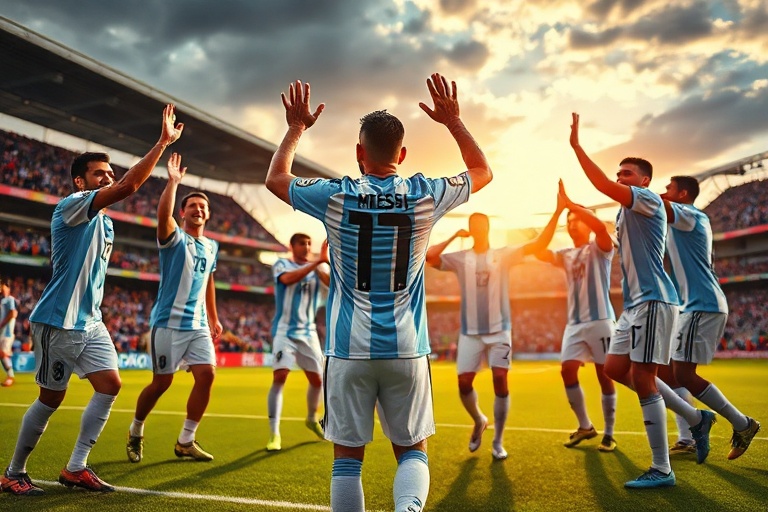
At the heart of Argentina’s success was a nucleus of players who had already etched their names into football lore. Lionel Messi, the talismanic captain, delivered a performance for the ages. After years of near-misses and heartbreak, Messi finally claimed the World Cup trophy, capping off an illustrious international career. His leadership, vision, and ability to dictate the tempo of matches were instrumental in Argentina’s triumph.
Messi was not alone in this golden generation. Players like Ángel Di María, Nicolás Otamendi, and Emiliano Martínez brought a wealth of experience and big-game pedigree. Di María, often the unsung hero, delivered crucial goals, including the decisive one in the final against France. Otamendi’s defensive solidity provided a foundation, while Martínez’s heroics in goal—particularly in the penalty shootout against the Netherlands—cemented his reputation as one of the world’s best goalkeepers.
These veterans were not just participants; they were the architects of Argentina’s success. Their understanding of the game, ability to mentor younger players, and sheer willpower were pivotal in navigating the tournament’s highs and lows.
The Youth Movement: Rising Stars Shining Bright
While the veterans provided the backbone, Argentina’s World Cup squad was also defined by its youthful exuberance. Players like Enzo Fernández, Julián Álvarez, and Alexis Mac Allister brought energy, creativity, and a fearless approach to the pitch. Fernández, in particular, emerged as a revelation, controlling the midfield with maturity beyond his years and earning the tournament’s Best Young Player award.
Álvarez’s versatility and clinical finishing made him a constant threat, while Mac Allister’s work rate and technical ability added depth to the squad. These young players represented the future of Argentine football, embodying the country’s tradition of producing world-class talent. Their contributions were not merely supplementary; they were transformative, injecting fresh energy into a squad that balanced experience with innovation.
Tactical Brilliance: Scaloni’s Masterclass
Lionel Scaloni’s tactical acumen was a defining factor in Argentina’s World Cup triumph. His flexible and adaptive approach allowed the team to evolve throughout the tournament. Scaloni’s system, often shifting between a 4-3-3 and a 4-4-2, kept opponents guessing while maximizing the strengths of his squad.
The team’s high pressing and quick transitions disrupted opponents, while their ability to retain possession in midfield allowed for sustained attacks. Scaloni’s man-management was equally impressive, fostering a sense of unity and purpose among players who had previously struggled with consistency. His willingness to trust younger players and integrate them into the squad paid dividends, creating a cohesive unit that was greater than the sum of its parts.
The Cultural Impact: A Nation United by Football
Beyond the pitch, Argentina’s World Cup victory resonated deeply within the country’s cultural fabric. Football in Argentina is more than a sport; it is a source of national identity and pride. The team’s success was met with jubilation across the country, from the bustling streets of Buenos Aires to the remote villages of Patagonia. Fans draped in blue and white celebrated in plazas, bars, and homes, their joy a testament to the unifying power of football.
This victory also carried symbolic weight. It arrived at a time when Argentina was grappling with economic and social challenges, offering a fleeting but powerful distraction from daily hardships. The team’s triumph became a symbol of hope, resilience, and the enduring spirit of a nation that refuses to be defined by adversity.
The squad’s diversity was another cultural highlight. Argentina’s football team reflects the country’s rich multicultural heritage, with players of Italian, Spanish, and Indigenous descent among its ranks. This diversity was celebrated as a strength, underscoring the inclusive nature of Argentine society and its football culture.
The Road to Glory: Key Matches and Turning Points
Argentina’s journey to the World Cup title was marked by several pivotal moments. In the group stage, a thrilling 2-1 victory over Mexico set the tone, with Messi and Fernández combining to secure a dramatic late winner. This match showcased the team’s ability to rise to the occasion in high-pressure situations.
The knockout rounds were where Argentina truly announced their intentions. A 2-1 victory over Australia in the Round of 16, followed by a 2-2 draw with the Netherlands in the quarterfinals (and a penalty shootout victory), demonstrated their resilience. The semifinal against Croatia was a masterclass in dominance, with Argentina winning 3-0, while the final against France was a rollercoaster of emotions, ultimately decided by a penalty shootout.
Each match was a testament to the team’s character, tactical discipline, and ability to perform under pressure. The squad’s collective effort, from the starting XI to the substitutes, was the driving force behind their historic triumph.
Looking Ahead: The Future of Argentine Football
As the dust settles on Argentina’s World Cup victory, the focus shifts to the future. The squad’s blend of experience and youth ensures a smooth transition to the next generation of talent. Players like Julián Álvarez and Enzo Fernández are poised to become the new faces of Argentine football, while veterans like Messi have hinted at potential retirements, leaving big shoes to fill.
The challenge for Scaloni and the Argentine Football Association will be to build on this success. The team’s style of play, tactical flexibility, and mental fortitude must be nurtured and refined. Additionally, the development of young players through the country’s robust youth academies will be crucial in maintaining Argentina’s status as a footballing powerhouse.
For now, however, the focus remains on celebrating this historic achievement. Argentina’s World Cup squad has not only brought glory to their nation but has also inspired millions of fans worldwide. Their legacy is secure, and their story serves as a reminder of the beauty and unpredictability of football.
As the world reflects on this triumph, one thing is clear: Argentina’s footballing journey is far from over. The future is bright, and the next chapter promises to be just as captivating.
Further Reading
For more insights into the world of football and international tournaments, explore our Sports section. You can also dive deeper into the history of FIFA World Cup tournaments here.