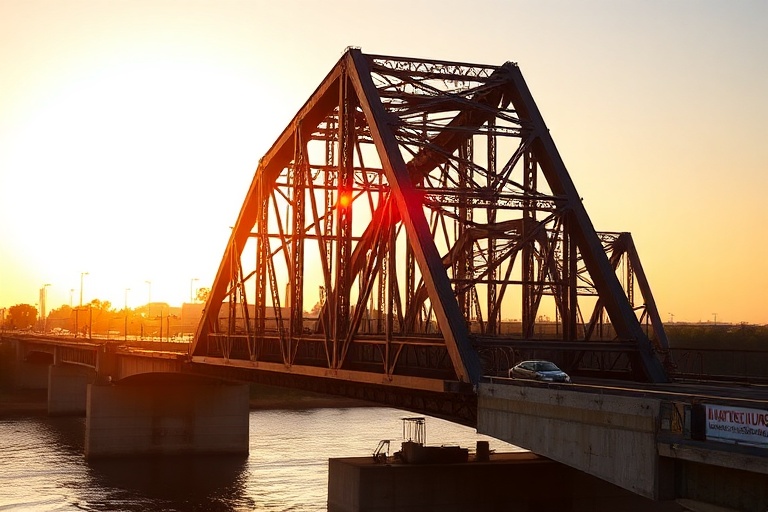
baton rouge
“`html
Baton Rouge: A City Where History and Innovation Collide
Nestled along the eastern bank of the Mississippi River, Baton Rouge stands as Louisiana’s capital and a vibrant crossroads of culture, industry, and history. Unlike its more tourist-driven neighbors to the south, Baton Rouge offers a distinct blend of Southern charm, industrial might, and a growing tech scene that often flies under the national radar. The city’s identity is shaped by its role as an economic hub, a center of education, and a guardian of Creole and Cajun traditions.
The name itself hints at the city’s origins. Derived from French, “Baton Rouge” translates to “red stick,” a reference to a red cypress pole used by Native Americans to mark territorial boundaries. This simple yet evocative name sets the tone for a city that embraces its past while steadily marching toward the future.
The Economic Engine of Louisiana
Baton Rouge’s economy is a powerhouse, driven largely by the petrochemical industry. The city is home to one of the largest refineries in the United States, ExxonMobil’s Baton Rouge Refinery, which has operated since 1909. This industrial giant, along with other major players like Dow Chemical and BASF, forms the backbone of the region’s economy, providing thousands of jobs and contributing billions to the state’s GDP.
But the city’s economic influence extends beyond heavy industry. Baton Rouge is also a growing hub for healthcare, education, and technology. Louisiana State University (LSU), located in the heart of the city, is one of the state’s largest employers and a major driver of research and innovation. The university’s presence has fostered a burgeoning startup ecosystem, with incubators like the LSU Innovation Park supporting entrepreneurs in fields ranging from biotechnology to digital media.
The city’s strategic location along the Mississippi River and its proximity to major highways and rail lines make it a critical logistics and distribution center. Port of Baton Rouge, the farthest upstream port on the Mississippi capable of handling deep-draft vessels, facilitates the movement of goods across the country and internationally. This logistical advantage has attracted companies like Amazon, which operates a massive fulfillment center in the area, further diversifying the local economy.
The Cultural Tapestry of Baton Rouge
While Baton Rouge may not have the same tourist draw as New Orleans, its cultural scene is rich and deeply rooted in Louisiana’s unique heritage. The city is a melting pot of French, African, Spanish, and Native American influences, creating a distinct cultural identity that permeates everything from its cuisine to its music.
Food is perhaps the most immediate way to experience Baton Rouge’s cultural depth. The city is a paradise for lovers of Cajun and Creole cuisine, with dishes like gumbo, étouffée, and boudin sausage taking center stage. Local eateries such as The Chimes and Randazzo’s Camellia City Café serve up these classics with a side of Southern hospitality. Meanwhile, food festivals like the Baton Rouge Blues Festival and the Louisiana Cajun-Zydeco Festival celebrate the city’s musical and culinary traditions in equal measure.
Music is another cornerstone of Baton Rouge’s cultural identity. The city has produced legendary musicians like bluesman Buddy Guy and hip-hop artist Kevin Gates, and it continues to nurture new talent through venues like the Baton Rouge River Center Arena and the Shaw Center for the Arts. The annual Red Stick International Animation Festival, held downtown, highlights another creative side of the city, showcasing animation and digital art from around the world.
The city’s historical sites offer a window into its past. The Louisiana State Capitol, a 450-foot Art Deco skyscraper, is the tallest capitol building in the United States and a symbol of the state’s political history. Nearby, the Old State Capitol, with its Gothic Revival architecture, houses the Museum of Political History, offering insights into Louisiana’s complex and often dramatic political landscape.
Key Highlights of Baton Rouge’s Cultural Scene
- Cuisine: A fusion of Cajun, Creole, and Southern flavors, with iconic dishes like gumbo and po’boys.
- Music: A thriving blues and zydeco scene, alongside emerging hip-hop and rock artists.
- Festivals: Events like the Baton Rouge Blues Festival and the Louisiana Cajun-Zydeco Festival draw crowds from across the region.
- Historical Sites: The Louisiana State Capitol and Old State Capitol offer a glimpse into the city’s political and architectural history.
Education and Innovation: The Future of Baton Rouge
Baton Rouge’s role as an educational and innovation hub is one of its most promising yet understated attributes. Louisiana State University (LSU) is not just the state’s flagship university; it’s a catalyst for economic and technological growth. The LSU Innovation Park, for example, provides a collaborative space for startups and established companies alike, fostering research in fields like coastal sustainability, cybersecurity, and advanced manufacturing.
The university’s impact extends beyond its campus. LSU’s medical school and health sciences center are leaders in research and healthcare delivery, addressing critical needs in the region. Meanwhile, Southern University and A&M College, another prominent institution in Baton Rouge, contributes to the city’s diverse educational landscape with strong programs in law, business, and the arts.
Baton Rouge is also making strides in technology and entrepreneurship. The city’s tech sector is small but growing, supported by initiatives like the Louisiana Technology Park and organizations like the Baton Rouge Area Chamber (BRAC). These efforts aim to diversify the economy by attracting tech companies and fostering local talent. While Baton Rouge may never rival Silicon Valley, its focus on niche industries like software development and digital media positions it as a rising star in the South’s tech landscape.
The city’s commitment to sustainability is another area of growth. Baton Rouge faces significant challenges from coastal erosion and flooding, issues that are central to Louisiana’s future. Local organizations and universities are leading efforts to develop innovative solutions, from flood-resistant infrastructure to renewable energy projects. These initiatives not only address environmental concerns but also create new economic opportunities for the city.
Challenges and Opportunities
Despite its many strengths, Baton Rouge faces challenges that are common to many mid-sized Southern cities. Crime rates, particularly in certain neighborhoods, remain a concern, and disparities in education and economic opportunity persist. The city’s infrastructure, while robust in some areas, struggles to keep pace with growth in others, leading to issues like traffic congestion and outdated public transit systems.
However, these challenges also present opportunities for change. Community leaders and organizations are working to address crime through programs like the Baton Rouge Area Violence Elimination (BRAVE) initiative, which focuses on intervention and prevention. Efforts to improve education, such as the Baton Rouge Achievement Zone, aim to close achievement gaps and provide students with the tools they need to succeed.
The city’s economic diversity is another strength. While the petrochemical industry remains dominant, Baton Rouge is steadily expanding into new sectors like healthcare, education, and technology. This diversification not only makes the economy more resilient but also creates a broader range of opportunities for residents. The growth of remote work and digital nomadism could further bolster Baton Rouge’s appeal, attracting professionals who seek a lower cost of living without sacrificing access to amenities.
Baton Rouge’s future also depends on its ability to preserve its cultural identity while embracing innovation. The city’s unique blend of history, cuisine, and music is a competitive advantage, one that can draw visitors and residents alike. By investing in its creative economy and supporting local artists, Baton Rouge can enhance its appeal as a cultural destination.
Why Baton Rouge Matters
Baton Rouge is more than just a state capital or an industrial hub; it’s a city with a story to tell. Its history is a tapestry of cultural exchange and resilience, while its present is a dynamic blend of tradition and progress. For those willing to look beyond the headlines, Baton Rouge offers a compelling narrative of a city that is constantly evolving, yet deeply rooted in its past.
As Louisiana and the broader South continue to grapple with economic shifts, environmental challenges, and social change, Baton Rouge stands as a microcosm of these larger trends. Its ability to navigate these complexities while maintaining its unique character will determine its role in the region’s future. For now, Baton Rouge remains a city on the rise, one that deserves closer attention from those who seek to understand the true pulse of the American South.
—
METADATA
{
“title”: “Baton Rouge: Louisiana’s Capital Where History Meets Modern Growth”,
“metaDescription”: “Explore Baton Rouge’s rich culture, booming economy, and innovation hubs beyond the tourist trail.”,
“categories”: [“Culture”, “News”],
“tags”: [“Baton Rouge”, “Louisiana”, “Cajun culture”, “LSU”, “petrochemical industry”, “Southern cuisine”],
“imageDescription”: “A vibrant aerial view of Baton Rouge’s skyline at dusk, highlighting the Louisiana State Capitol, the Mississippi River, and industrial facilities along the waterfront. The scene captures the city’s blend of historic architecture, modern industry, and natural beauty, bathed in warm evening light.”
}
—END METADATA—
“`