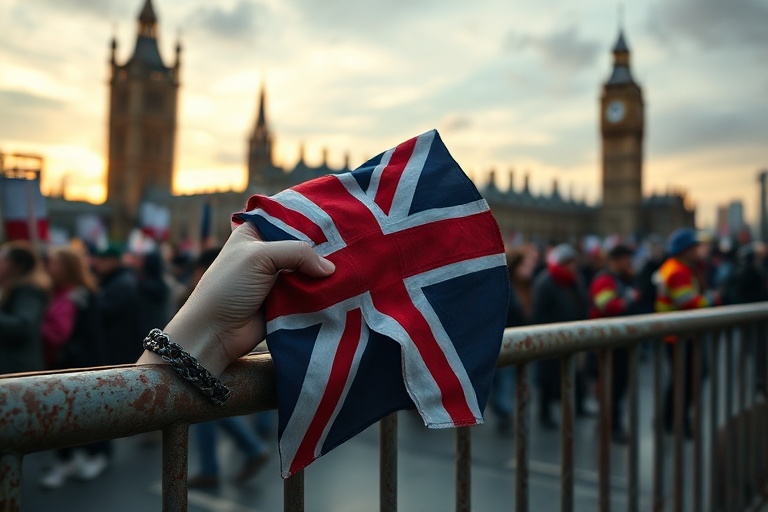
Brexit Explained: Political, Economic, and Cultural Perspectives
Understanding Brexit: A Historical Overview
Brexit, the term used to describe the United Kingdom’s (UK) decision to leave the European Union (EU), has had far-reaching implications not only for the UK but also for Europe and the global community. The referendum held on June 23, 2016, resulted in 52% of voters opting to leave the EU, setting off a chain of political and economic events that continue to unfold to this day.
The motivations behind the Brexit vote were diverse. Many voters expressed concerns over issues such as immigration, sovereignty, and economic policy. The campaign was marked by strong emotions and contrasting visions of the future, with proponents of Brexit advocating for greater national control and opponents warning of the potential economic fallout.
The Political Landscape Post-Brexit
Following the referendum, the political landscape of the UK underwent significant changes. Prime Minister Theresa May, who initially campaigned for the Remain side, became a key figure in the Brexit negotiations. Her government faced immense pressure from both pro-Leave and pro-Remain factions, leading to a series of parliamentary challenges and ultimately her resignation in 2019.
Her successor, Boris Johnson, took a more hardline approach to negotiations, aiming to deliver Brexit by any means necessary. The passing of the Brexit Withdrawal Agreement in January 2020 marked the official departure of the UK from the EU. However, the transition period that followed brought its own set of challenges, as the UK sought to redefine its relationship with the EU and the rest of the world.
Economic Implications of Brexit
Brexit has had substantial economic implications for both the UK and the EU. The uncertainty surrounding trade agreements has led to fluctuations in the value of the British pound. Businesses have faced difficulties due to new customs regulations and trade barriers, which have increased costs and complicated supply chains.
Key sectors such as finance, agriculture, and manufacturing have particularly felt the impact. Many companies have relocated operations to EU countries to avoid potential tariffs and trade restrictions. The fishing industry, a symbol of national pride for many Brexit supporters, has also experienced turmoil as new fishing rights agreements were negotiated.
The economic fallout is not just limited to the UK; EU member states have also had to adjust to the new dynamics. Trade relationships have shifted, and some countries are looking for new partnerships to fill the void left by the UK.
Global Reactions and Cultural Context
Globally, Brexit has been met with a mix of intrigue and concern. Countries such as the United States and Canada have been closely watching the developments, considering how a post-Brexit UK might affect international trade agreements. The situation has also raised questions about the future of the EU itself, with some member states contemplating their own departure.
Culturally, Brexit has revealed deep divisions within British society. The referendum exposed generational, educational, and regional divides. Younger voters tended to favor remaining in the EU, while older generations were more inclined to support leaving. This divide has manifested in various cultural expressions, from art and literature to public discourse.
“Brexit is not just a political event; it is a cultural moment that will shape the identity of the UK for generations to come.” – Political Analyst
The debate surrounding Brexit continues to evolve. Discussions about Scottish independence and the future of Northern Ireland have gained momentum, highlighting the complex identity politics at play.
Conclusion
Brexit represents a pivotal moment in both British and European history. Its implications extend far beyond politics, influencing economic policies, cultural identities, and international relations. As the UK continues to navigate its post-Brexit future, the global community watches closely, recognizing that the effects of this decision will be felt for years to come.
For those interested in further exploring the impacts of major political events, visit our Politics section for more insightful articles. Additionally, our Business category offers a deeper look into the economic ramifications of global changes.