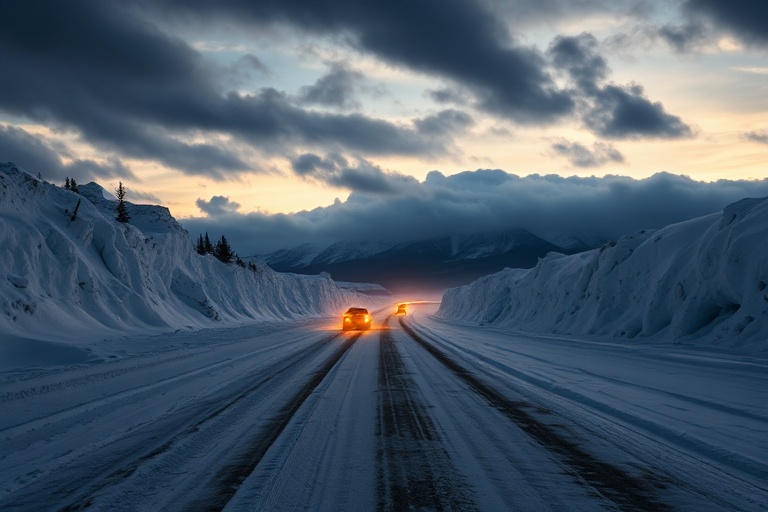
Residents across Colorado are bracing for a significant winter storm system that could bring heavy snowfall, strong winds, and hazardous travel conditions. Forecasters warn that this event may rival some of the most impactful storms in recent memory, with varying intensity levels depending on elevation and region.
Understanding the Current Winter Storm Alerts
The National Weather Service (NWS) has issued winter storm warnings, watches, and advisories for multiple Colorado counties, effective through the weekend. These alerts cover a broad geographic range, from the Front Range urban corridor to the high country of the Rockies. The most severe warnings are concentrated in the higher elevations, where snowfall accumulations could exceed two feet in some areas.
Meteorologists point to a powerful low-pressure system moving in from the Pacific Northwest as the primary driver of this storm. Its collision with cold air already in place over Colorado is expected to create ideal conditions for heavy precipitation. The storm’s intensity varies by location, with the heaviest snowfall likely to occur north of Denver and in the foothills west of the Continental Divide.
Key Counties Under Winter Storm Warnings
The following counties have been placed under winter storm warnings or advisories:
- Denver County: Winter storm warning in effect through Sunday morning. Up to 12 inches of snow possible, with higher amounts in the western suburbs.
- Jefferson County: Winter storm warning with snowfall totals projected between 15 and 25 inches in the foothills.
- Larimer County: Heavy snow warning, particularly in the Estes Park area, where accumulations could reach 24 inches.
- Park County: Winter storm warning with blizzard conditions possible at higher elevations.
- El Paso County: Winter weather advisory, with snowfall expected to range from 4 to 8 inches.
Travel Disruptions and Road Closures
Winter storm warnings of this magnitude inevitably lead to significant travel disruptions. Colorado Department of Transportation (CDOT) officials have already begun pre-treating major highways, including I-25, I-70, and US-36, in anticipation of deteriorating conditions. Chain laws may be implemented as the storm intensifies, particularly on mountain passes like Loveland Pass and Rabbit Ears Pass.
Air travel is also expected to be heavily impacted. Denver International Airport (DEN) has issued a ground delay program, which may result in extended wait times for departures and arrivals. Airlines are advising passengers to check their flight status frequently and arrive at the airport earlier than usual. For those planning to drive, CDOT recommends avoiding unnecessary travel, especially in the high country where visibility could drop below 100 feet during whiteout conditions.
Safety Tips for Drivers
If travel cannot be avoided, CDOT and local law enforcement agencies have provided the following safety recommendations:
- Prepare your vehicle: Ensure your car has a full tank of gas, a winter emergency kit (including blankets, water, non-perishable snacks, and a flashlight), and properly inflated tires with adequate tread.
- Know your route: Familiarize yourself with road conditions and alternate routes before departing. Real-time updates can be found on CoTrip.org.
- Stay informed: Monitor local weather updates and heed any travel advisories or road closures issued by authorities.
- Practice safe driving: Reduce your speed, increase following distances, and avoid sudden braking or acceleration. If visibility becomes severely limited, pull over to a safe location and wait out the storm.
The Economic Impact of Major Winter Storms
Beyond the immediate challenges of travel and safety, winter storms in Colorado can have a substantial economic impact. The state’s tourism industry, particularly in ski resorts like Vail, Breckenridge, and Aspen, often sees a surge in visitors during major snow events. However, the same storms can also lead to business closures, supply chain disruptions, and lost productivity in sectors that rely on consistent operations.
According to a 2023 report by the Colorado Business Roundtable, winter storms cost the state an average of $200 million annually in lost revenue and recovery efforts. This figure includes expenses related to snow removal, infrastructure repairs, and emergency response. The tourism sector alone accounts for a significant portion of these losses, as skiers and snowboarders may delay or cancel trips due to unsafe travel conditions.
Local businesses, especially those in mountain towns, are often the hardest hit. Restaurants, retail shops, and lodging facilities may experience reduced foot traffic during and immediately after a storm. However, some businesses see a temporary boost in sales as residents stock up on supplies or seek out indoor entertainment options during the storm.
Preparing Your Home and Property
In addition to travel precautions, homeowners and renters should take steps to prepare their properties for the storm. Heavy snow accumulation can lead to roof damage, power outages, and frozen pipes, so it’s essential to take preventative measures.
Start by inspecting your roof and gutters to ensure they can handle the weight of additional snow. If you have a fireplace or wood-burning stove, stock up on firewood and have your chimney inspected for safety. To prevent frozen pipes, insulate exposed plumbing and allow faucets to drip during extreme cold snaps. It’s also wise to have an emergency supply kit on hand, including flashlights, batteries, a portable charger, and non-perishable food items.
For those living in areas prone to power outages, consider investing in a generator or ensuring your existing one is in working order. Power companies like Xcel Energy and Black Hills Energy have already begun preparing for potential outages and are advising customers to report downed power lines to avoid hazards.
Snow Removal Best Practices
Proper snow removal is critical to preventing property damage and ensuring safety. Follow these guidelines to clear snow safely and efficiently:
- Shovel early and often: Waiting until the storm has passed can result in heavier snow that is more difficult to move. Aim to clear driveways and walkways at regular intervals during the storm.
- Use the right tools: A sturdy snow shovel with a curved handle can reduce strain on your back. For larger areas, a snow blower can be a worthwhile investment, but always follow the manufacturer’s safety instructions.
- Avoid overexertion: Shoveling snow is a physically demanding task. Take frequent breaks, stay hydrated, and know your limits to avoid injury.
- Clear around vents and meters: Ensure that exhaust vents, gas meters, and fire hydrants are accessible to avoid carbon monoxide buildup or emergency response delays.
Long-Term Considerations for Colorado’s Winter Weather
While this storm is expected to pass within 48 hours, it serves as a reminder of the importance of long-term winter preparedness in Colorado. Climate change is contributing to increasingly unpredictable weather patterns, with some studies suggesting that the state could experience more frequent and severe winter storms in the coming decades.
For Colorado residents, this means investing in infrastructure upgrades, such as improved drainage systems and reinforced roofs, to better withstand heavy snowfall. It also underscores the need for community resilience programs that provide support to vulnerable populations, such as the elderly, low-income families, and those without adequate housing.
Local governments are taking steps to address these challenges. Denver’s Office of Emergency Management, for example, has launched a Winter Weather Preparedness Campaign to educate residents about the risks of extreme cold and snow. The campaign includes resources on how to create emergency kits, protect homes from frozen pipes, and recognize the signs of hypothermia and frostbite.
Community Resources and Assistance
Residents who may need additional support during the storm are encouraged to reach out to local organizations and government agencies. The following resources are available:
- 211 Colorado: A free, confidential service that connects residents with local resources, including emergency shelters, food assistance, and heating help. Dial 2-1-1 or visit 211colorado.org.
- Red Cross Safe and Well Program: Allows individuals to register as safe or search for loved ones in areas affected by the storm. Visit safeandwell.communityos.org.
- Local warming centers: Many communities, including Denver, Boulder, and Colorado Springs, have opened warming centers for those without access to heat. Check your city’s website for locations and hours.
Staying Safe and Informed
As Colorado braces for this significant winter storm, the key to staying safe lies in preparation, vigilance, and community support. By following the guidelines outlined by the National Weather Service, CDOT, and local authorities, residents can minimize the risks associated with heavy snowfall and extreme cold.
Remember to check for updates regularly, avoid unnecessary travel, and prioritize the safety of yourself and those around you. Whether you’re a homeowner, business owner, or traveler, taking proactive steps now can help ensure a smoother recovery once the storm has passed.
For more information on winter weather preparedness, visit Dave’s Locker Weather or explore our News section for ongoing coverage of this storm and its aftermath.