Copa Libertadores: More Than a Trophy, a South American Legacy
“`html
Libertadores: The Soul of South American Football Beyond the Trophy
South America’s defining football competition holds a legacy that transcends mere sporting achievement. The Copa Libertadores isn’t just a tournament—it’s a cultural institution, a stage where legends are forged, and a mirror reflecting the continent’s turbulent yet vibrant history.
The Origins and Evolution of a Continental Classic
Conceived in 1960, the Copa Libertadores was born from the vision of South American football’s governing body, CONMEBOL. Its name pays homage to the continent’s revolutionary heroes, the Libertadores—figures like Simón Bolívar and José de San Martín who liberated South America from Spanish rule. This connection was no accident; the tournament was designed to embody the spirit of independence, resilience, and identity.
In its early years, the competition was dominated by Argentine and Uruguayan clubs, reflecting the strength of their domestic leagues. However, as the decades progressed, Brazilian teams emerged as formidable forces, with clubs like São Paulo, Palmeiras, and Flamengo stamping their authority. Today, the Libertadores stands as the most prestigious club competition in South America, second only to Europe’s Champions League in global prestige.
The tournament’s format has evolved significantly. Originally a straight knockout competition, it now includes a group stage, allowing more teams from across the continent to participate. This change has broadened representation, though it has also diluted the intensity of the early rounds. Despite these shifts, the Libertadores retains a raw, unpredictable edge that European tournaments often lack.
Why the Libertadores Stands Apart
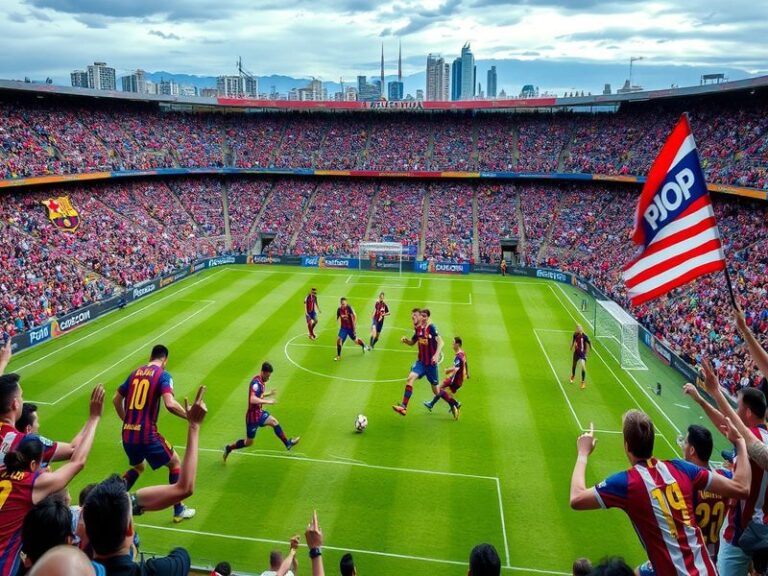
The competition’s uniqueness lies in its atmosphere and the stories it generates. Matches are played in front of passionate, often raucous crowds, creating an electric environment that few other tournaments can match. The passion of the fans is matched only by the intensity on the pitch, where physicality, flair, and tactical ingenuity collide.
Unlike Europe’s more commercialized competitions, the Libertadores remains deeply rooted in local identity. Clubs represent cities and regions with fierce pride, and their success is a source of immense civic pride. This connection fosters a level of emotional investment that transcends mere fandom.
The Libertadores’ Role in Shaping Global Football
The Copa Libertadores has long been a proving ground for South America’s finest talent. Many of the continent’s greatest players—Diego Maradona, Pelé, Lionel Messi, and Ronaldinho, to name a few—cut their teeth in the tournament before moving to Europe. The competition serves as a vital pipeline for talent, offering a stage where raw potential can be nurtured before being polished in the elite leagues of Europe and beyond.
Yet the Libertadores’ influence extends beyond individual careers. It has shaped football philosophies, with South American clubs often prioritizing creativity, technique, and flair over the more rigid, tactical approaches favored in Europe. This contrast has enriched global football, demonstrating that success can be achieved through different pathways.
The tournament has also played a pivotal role in the development of South American football infrastructure. Clubs invest heavily in youth academies and facilities to compete at the highest level, raising the overall standard of the game on the continent. This investment has paid dividends, with South American teams consistently punching above their weight in international competitions.
A Global Stage for South American Football
The Libertadores’ reach extends far beyond South America. Matches are broadcast in over 130 countries, and the final often draws audiences comparable to major European finals. This global exposure has helped to popularize South American football, showcasing its unique style and passion to a worldwide audience.
South American clubs have also made their mark in the FIFA Club World Cup, with teams like Corinthians, Internacional, and Flamengo winning the tournament. These victories have further cemented the Libertadores’ reputation as a crucible of world-class football.
The Human Stories Behind the Trophy
Behind every Libertadores triumph lies a narrative of struggle, perseverance, and triumph. For many clubs, winning the tournament is the pinnacle of their history, a moment that defines generations. Take, for example, Independiente of Argentina, who dominated the early years of the competition with seven titles. Their success was built on a foundation of tactical brilliance and an unyielding will to win.
For smaller clubs, the Libertadores represents an opportunity to challenge the continent’s giants. Teams like Ecuador’s LDU Quito and Colombia’s Once Caldas have defied the odds to lift the trophy, inspiring their nations and proving that football is a game of opportunity as much as it is of resources.
The human stories extend beyond the clubs to the players and managers who have left their mark. Managers like Osvaldo Zubeldía, who pioneered the use of pressing and tactical flexibility with Estudiantes in the late 1960s, have influenced generations of coaches. Players like Daniel Onega, who scored a record 31 goals in the competition, are remembered as legends of the game.
The Libertadores’ Impact on Local Communities
The tournament’s influence extends into the communities that support these clubs. For many fans, their team’s success is a source of hope and pride in regions often plagued by economic hardship and social inequality. The Libertadores provides a rare moment of unity and celebration, bringing people together across divides.
Clubs also play a vital role in their local communities, investing in social programs and youth development. These initiatives not only produce better players but also contribute to the broader well-being of society. The tournament, therefore, is not just a sporting event but a catalyst for positive change.
Looking Ahead: The Future of the Libertadores
The Copa Libertadores continues to evolve, with recent expansions increasing the number of participating teams and introducing new formats. These changes aim to make the tournament more inclusive and competitive, though they also risk diluting its intensity and exclusivity.
One of the most significant developments in recent years has been the increasing commercialization of the tournament. Sponsorship deals and broadcasting rights have brought financial stability to CONMEBOL and its member clubs, but they have also raised questions about the tournament’s soul. Will the Libertadores retain its unique character as it becomes more entwined with global football’s commercial machinery?
Another challenge is the growing competition from other continental tournaments, such as the CONCACAF Champions League and the AFC Champions League. These competitions are investing heavily in their product, and South American football must continue to innovate to maintain its prestige.
Key Points to Watch
- Expansion and Format Changes: How will the increased number of teams and new formats impact the tournament’s intensity and exclusivity?
- Commercialization vs. Tradition: Can the Libertadores balance financial growth with the preservation of its cultural identity?
- Talent Development: Will the pipeline of South American talent to Europe continue to thrive, or will new trends emerge?
- Global Competition: How will the Libertadores fare against other continental tournaments in the battle for prestige and viewership?
- Fan Engagement: Can the tournament maintain its passionate fan base amid growing commercial pressures and changing viewing habits?
The Copa Libertadores remains a jewel in the crown of world football, a tournament that celebrates the passion, flair, and resilience of South America. As it navigates the challenges of the modern era, its ability to adapt while staying true to its roots will determine its future. For now, the Libertadores endures as a testament to the power of football to inspire, unite, and transcend.
Whether you’re a lifelong fan or a newcomer to South American football, the Libertadores offers a spectacle unlike any other. It’s more than a competition; it’s a celebration of a continent’s love for the game.