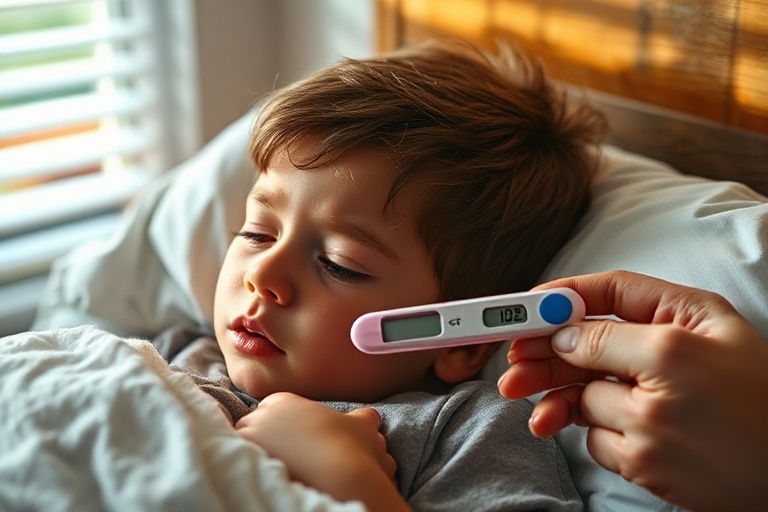
Fever Schedule Guide: When to Treat and When to Wait
“`html
Understanding Fever Schedule: When to Treat and When to Wait
The body’s temperature regulation is a finely tuned system, but when illness strikes, even a slight fever can feel overwhelming. A fever isn’t just an inconvenience—it’s the body’s natural response to infection, signaling that the immune system is actively fighting off pathogens. Yet knowing when to intervene with medication, rest, or medical attention often leads to confusion. The idea of a “fever schedule” isn’t about rigid timing but about observing patterns, understanding thresholds, and acting with intention.
This guide explores the science behind fever management, the factors that influence treatment decisions, and how to balance symptom relief with the body’s healing process. Whether for a child, adult, or elderly individual, recognizing the right moments to act can prevent unnecessary interventions while ensuring safety.
Why Fevers Occur and What They Mean
Fever is a temporary rise in body temperature, usually triggered by an immune response to infection. It’s most commonly caused by viruses like the flu or bacteria such as strep throat, but it can also result from vaccines, heat exhaustion, or inflammatory conditions. The hypothalamus, a region in the brain responsible for temperature control, resets the body’s thermostat higher in response to pyrogens—substances released by immune cells.
While discomfort is inevitable, fever serves a purpose. A mild to moderate fever (between 100.4°F and 104°F, or 38°C to 40°C) can enhance immune function by slowing the growth of some bacteria and viruses. It also increases white blood cell activity and may help the body repair tissues more efficiently. However, extremely high temperatures (above 105°F or 40.5°C) can damage proteins and organs, making intervention necessary.
Not all fevers are created equal. The approach to managing them varies by age, health status, and accompanying symptoms. For infants under three months, even a low-grade fever warrants medical attention due to their vulnerable immune systems. In older children and adults, the focus shifts to monitoring trends rather than fixating on a single reading.
When to Use a Fever Schedule: Key Considerations
A fever schedule isn’t a one-size-fits-all protocol but a flexible framework for decision-making. The following factors help determine whether and when to treat a fever:
- Age and Vulnerability: Infants and elderly individuals have less tolerance for elevated temperatures. For babies under three months, a fever of 100.4°F (38°C) or higher requires immediate medical evaluation. In adults over 65, fevers may indicate serious infections like pneumonia or urinary tract infections.
- Duration of Fever: A fever lasting more than three days, especially if unresponsive to medication, should prompt further investigation. Persistent fevers may signal bacterial infections that require antibiotics.
- Accompanying Symptoms: Severe headaches, stiff neck, difficulty breathing, rash, or confusion are red flags that necessitate urgent care. These could indicate conditions like meningitis or sepsis.
- Underlying Health Conditions: Individuals with chronic illnesses such as heart disease, diabetes, or autoimmune disorders may need earlier intervention to prevent complications.
- Comfort Level: Sometimes, the goal isn’t just to lower the temperature but to relieve discomfort. If a fever is causing chills, body aches, or sleep disruption, medication may improve rest and recovery.
For parents and caregivers, a fever schedule often involves setting specific intervals between doses of medication, such as acetaminophen or ibuprofen. These intervals are typically every four to six hours, but dosage should always align with the child’s weight and age guidelines. Overmedicating can mask symptoms and delay necessary medical care.
The Role of Medication and Natural Remedies
Antipyretic medications like acetaminophen (Tylenol) and ibuprofen (Advil) are the most common tools for fever management. They work by inhibiting the production of prostaglandins—chemicals that raise the body’s temperature set point in the hypothalamus. While effective, these drugs don’t address the underlying cause of the fever and should be used judiciously.
Natural remedies can complement medical treatments. Hydration is critical, as fever can lead to fluid loss through sweating. Water, herbal teas, and electrolyte solutions help maintain balance. Cool compresses on the forehead or a lukewarm bath can provide temporary relief, but ice baths or alcohol rubs are discouraged, as they can cause shivering and further raise body temperature.
Rest remains the cornerstone of recovery. The body heals most efficiently during sleep, and pushing through daily activities with a fever can prolong illness. Monitoring temperature trends rather than focusing on isolated readings is key—sometimes, a fever that spikes at night may naturally subside by morning.
When to Seek Medical Attention
While most fevers resolve on their own, certain situations demand professional evaluation. The following symptoms warrant a call to a healthcare provider or a visit to urgent care:
- Infants and Young Children: Any fever in a baby under three months; a fever above 102°F (38.9°C) in children under two years; or a fever lasting more than 24 hours in a child of any age.
- Adults: A fever above 103°F (39.4°C) that doesn’t respond to medication; fever accompanied by severe headache, chest pain, or difficulty breathing.
- Special Populations: Individuals with weakened immune systems, such as those undergoing chemotherapy or living with HIV, should seek care for any fever above 100.4°F (38°C).
- Neurological Symptoms: Confusion, seizures, or stiff neck may indicate serious conditions like encephalitis or meningitis.
- Dehydration Signs: Dry mouth, reduced urine output, or dizziness suggest the need for intravenous fluids.
In many cases, fevers are self-limiting and resolve within a few days. However, the decision to treat should always prioritize safety and comfort over arbitrary thresholds. Consulting a healthcare provider can provide personalized guidance, especially when symptoms are ambiguous or persistent.
Conclusion: A Balanced Approach to Fever Management
Fever is both a symptom and a signal—a reminder that the body is engaged in a complex battle against illness. While it’s natural to want to reduce discomfort quickly, the best fever schedule balances intervention with patience. Medication can ease suffering, but rest and hydration are equally vital. Observing trends, respecting individual vulnerabilities, and knowing when to escalate care are the hallmarks of responsible management.
For parents, caregivers, and individuals navigating fevers, the goal isn’t to eliminate the fever at all costs but to support the body’s natural healing process. When in doubt, err on the side of caution. A fever may be temporary, but the decisions made during its course can have lasting implications for health and well-being.
By approaching fever management with knowledge and intentionality, we can ensure that relief doesn’t come at the expense of recovery—or worse, oversight of a serious condition. Stay informed, stay observant, and always prioritize the bigger picture.
For more insights on health and wellness, explore Dave’s Locker Health and Analysis sections for expert perspectives and evidence-based advice.