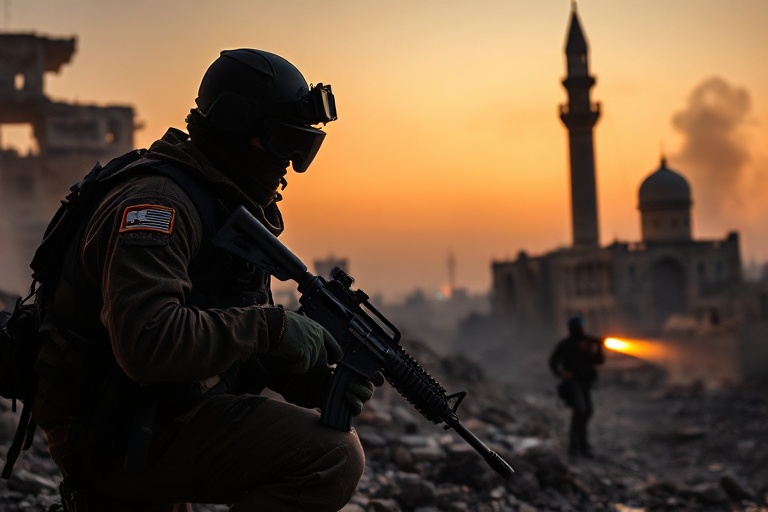
How Ghost Recon Ghost War Is Redefining Military Shooters
“`html
Jack Ryan Ghost War: How Tom Clancy’s Franchise Is Evolving
Tom Clancy’s Ghost Recon series has long stood as a benchmark for military shooter realism, blending tactical precision with high-stakes geopolitical drama. The latest entry, Ghost Recon: Ghost War, represents more than just another installment—it introduces a fundamental reimagining of how players engage with the franchise. Set against a backdrop of global conflict, the game refines its signature blend of squad-based tactics and immersive storytelling, while also experimenting with new mechanics that push the boundaries of the genre.
As the franchise evolves, Ghost War signals a strategic pivot. Gone are the linear, mission-driven campaigns of earlier titles. In their place is a persistent, evolving world where players must adapt to dynamic threats, manage limited resources, and make high-stakes decisions that ripple across the battlefield. This shift isn’t just cosmetic—it reflects broader trends in gaming, where player agency and long-term engagement are becoming as important as narrative depth.
From Campaigns to Persistent Worlds: A Tactical Evolution
Previous Ghost Recon titles emphasized scripted, cinematic campaigns where players followed a predetermined path through meticulously designed missions. While these experiences delivered strong narratives and tactical variety, they often felt static. Ghost War flips that model on its head by introducing a persistent online world where players return to the same contested regions, only to find them transformed by new threats, alliances, and environmental challenges.
This persistent-world approach isn’t entirely new to military shooters, but it’s still a rarity. Games like Warzone and Call of Duty: Warzone have popularized the format, but Ghost War distinguishes itself by emphasizing realism and player-driven strategy. Missions aren’t just repeatable—they’re reactive. If a player leaves a region unguarded, enemy forces may fortify it. If a squad completes a high-profile operation, rival factions could retaliate with overwhelming force. The result is an environment that feels alive, unpredictable, and deeply immersive.
The shift also extends to progression. Unlike traditional military shooters where players unlock gear through linear leveling systems, Ghost War employs a modular approach. Players salvage and craft equipment from fallen enemies, salvage points, and mission rewards. This not only enhances replayability but also reinforces the game’s survivalist ethos. The best-laid plans can go awry when a player runs out of ammunition or their primary weapon jams mid-fight. It’s a level of unpredictability that resonates with real-world military operations, where adaptability often determines survival.
Gameplay Innovations: What Sets Ghost War Apart
Ghost War introduces several mechanics that distinguish it from its predecessors and competitors. These innovations aren’t just technical upgrades—they represent a philosophical shift in how tactical shooters should be designed.
- Dynamic Weather and Time Systems: Missions unfold in real-time, with weather patterns and day-night cycles affecting visibility, movement, and enemy behavior. A sandstorm might obscure vision, while nighttime operations require thermal optics or careful light discipline. These systems aren’t just aesthetic; they force players to adjust their strategies on the fly.
- Faction Interactions: The game features multiple hostile and neutral factions, each with unique behaviors and objectives. Players can choose to engage, avoid, or even manipulate these factions to gain tactical advantages. Allying with one group might unlock new mission routes, but it could also provoke retaliation from others.
- Limited Resources: Ammo, medkits, and repair tools are finite. Players must scavenge, trade, or prioritize their use carefully. This scarcity mechanic adds a layer of tension that’s often missing in military shooters, where resources are typically abundant.
- Squad Synergy: Teamwork isn’t just encouraged—it’s essential. Players can revive fallen allies, call in airstrikes, or sabotage enemy equipment, but these actions require coordination and timing. A poorly timed revive can leave a squad vulnerable to ambush.
These features collectively create an experience that feels both familiar and fresh. Veterans of the franchise will recognize the tactical depth and authenticity, while newcomers will appreciate the accessibility and responsiveness of the controls. The game strikes a balance between hardcore realism and accessible gameplay, a feat that’s easier said than done in the military shooter genre.
Broader Implications: How Ghost War Reflects Gaming’s Future
The changes in Ghost War aren’t just about one game—they reflect larger trends in the gaming industry. Persistent worlds, player-driven narratives, and modular progression systems are becoming increasingly prevalent, particularly in live-service titles. Games like Helldivers 2 and Escape from Tarkov have demonstrated the appetite for experiences that prioritize replayability and emergent gameplay over scripted campaigns.
For the Ghost Recon franchise, this shift represents both an opportunity and a risk. The series has always thrived on its authenticity and tactical depth, qualities that risk being diluted in a persistent-world format. However, if executed well, Ghost War could redefine what military shooters can be. It’s a chance to attract a broader audience while retaining the hardcore fans who have kept the franchise alive for decades.
There’s also a broader cultural context to consider. Military shooters have faced scrutiny in recent years, with critics questioning their glorification of warfare. Ghost War sidesteps this issue by focusing on the gritty, logistical realities of combat rather than heroic narratives. The game’s emphasis on survival, adaptability, and resource management underscores the harshness of modern warfare, offering a nuanced perspective that’s often absent in the genre.
What’s Next for the Ghost Recon Franchise?
With Ghost War, Ubisoft is clearly betting on the persistent-world model as the future of the franchise. But the game’s success will depend on more than just its mechanics—it will require a robust online community, consistent updates, and a commitment to balancing realism with accessibility. Early feedback suggests that the game has struck a chord with players, but the real test will come over the long term.
Looking ahead, there are several potential directions for the franchise. One possibility is the introduction of a single-player campaign that integrates elements of the persistent world, blending the narrative depth of earlier titles with the dynamic gameplay of Ghost War. Another could be the expansion of faction systems, allowing for deeper political intrigue and player-driven conflicts.
Regardless of what’s next, Ghost Recon: Ghost War marks a significant moment for the series. It’s a bold experiment that challenges the conventions of military shooters while staying true to the franchise’s core identity. Whether it becomes a blueprint for future titles or remains a niche experiment, its impact on the genre is undeniable.
Key Takeaways from Ghost Recon: Ghost War
- Persistent World: Missions evolve based on player actions, creating a dynamic and unpredictable experience.
- Modular Progression: Players craft and salvage gear, adding a layer of strategy and replayability.
- Realism and Adaptability: Dynamic weather, limited resources, and faction interactions force players to think critically.
- Cultural Relevance: The game addresses modern warfare’s complexities without resorting to glorified narratives.
For fans of tactical shooters, Ghost War is more than just a game—it’s a glimpse into the future of the genre. For critics of military shooters, it’s a reminder that the genre can evolve beyond its stereotypes. And for developers, it’s a case study in how to balance innovation with authenticity.
As the dust settles on this bold new direction, one thing is clear: the Ghost Recon franchise is far from done. If Ghost War succeeds, it could pave the way for an entirely new era of military shooters—one where players don’t just follow the mission, but shape the battlefield itself.
For those looking to dive deeper into tactical shooters or military strategy games, check out our Gaming and Analysis sections for more insights and recommendations.