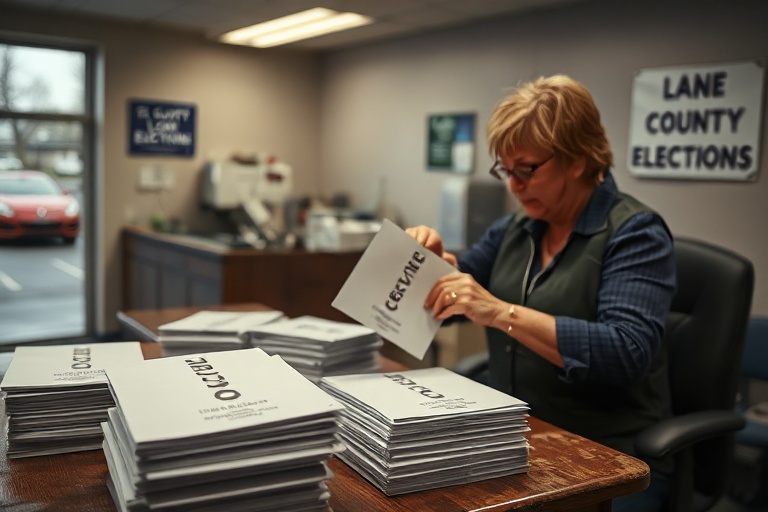
Local elections in Lane County, Oregon, often fly under the radar compared to state or national races. Yet the decisions made in county government directly shape daily life for residents—from property taxes and public safety funding to environmental regulations and infrastructure projects. As the 2024 election cycle approaches, voters are beginning to focus on key races that could redefine the county’s priorities for years to come.
This year’s Lane County elections are more than just a routine ballot— they reflect broader tensions around growth, sustainability, and governance in one of Oregon’s most populous counties. With rising concerns over housing affordability, public health services, and climate resilience, the outcome will influence everything from zoning laws to emergency response capabilities. For residents, understanding the stakes means looking beyond party labels and examining the policy proposals on the table.
Key Races and Positions on the Ballot
Lane County voters will decide a range of offices this November, including the County Commission, District Attorney, and key judicial positions. These roles are responsible for managing a $500 million-plus annual budget, overseeing law enforcement, and interpreting local laws. Each race carries unique implications for the community’s future direction.
Here are the most closely watched contests:
- Lane County Board of Commissioners (Positions 1, 3, and 5): The Board sets county policies, approves budgets, and appoints department heads. With current commissioners often split on issues like urban growth boundaries and housing development, these races could shift the balance of power.
- Lane County District Attorney: The DA’s office prosecutes crimes and shapes criminal justice policy. Recent debates over drug decriminalization and restorative justice programs have made this a focal point for both progressives and conservatives.
- Nonpartisan judicial races: Judges in Lane County interpret local ordinances and state laws. While often overlooked, their rulings can affect property rights, environmental enforcement, and public safety regulations.
Beyond elected offices, several ballot measures could reshape county policy. For instance, proposed changes to the county’s urban growth boundary have drawn intense debate among developers, environmental groups, and residents concerned about sprawl and affordable housing. Another measure aims to increase funding for mental health and addiction services—a direct response to rising visible homelessness and public safety calls.
Broader Implications for Oregon and the Pacific Northwest
Lane County’s elections are a microcosm of larger trends shaping the Pacific Northwest. As Oregon’s second-most populous county after Multnomah, Lane County often serves as a testing ground for progressive policies that later influence state legislation. Recent statewide ballot measures on drug decriminalization and climate action were preceded by similar debates in Lane County communities like Eugene and Springfield.
One of the most pressing issues is housing. Lane County has seen rapid population growth, particularly in the Eugene-Springfield metro area, which has outpaced housing construction. The county’s 2023 Housing Needs Analysis projected a shortfall of nearly 10,000 affordable units by 2025. Commission candidates are staking out positions ranging from incentivizing dense infill development to expanding rent control policies—each approach carrying trade-offs for homeowners, renters, and developers alike.
Environmental policy is another flashpoint. Lane County includes part of the Willamette National Forest and the Oregon Coast Range, making it a battleground for debates over logging, wildfire prevention, and conservation funding. Recent court rulings have limited timber sales in federal forests, pushing more responsibility—and funding demands—to county governments. The next Board of Commissioners will play a pivotal role in securing state and federal grants for forest management and fire prevention.
Public safety remains a top concern for voters. Despite lower violent crime rates than state averages, Lane County has seen an increase in property crimes and visible homelessness in urban centers. The District Attorney race could determine whether prosecutors prioritize diversion programs, traditional prosecution, or a hybrid approach. Meanwhile, sheriff’s deputies and county health officials are collaborating on new crisis response teams—an effort that may expand depending on voter support.
How to Get Involved and Stay Informed
For residents looking to make an impact, the first step is understanding the process. Lane County elections are administered by the County Clerk’s office, which provides voter registration, ballot drop boxes, and candidate forums. The county website offers a voter portal where residents can check their registration status, view sample ballots, and track their mail-in ballots.
Local media and advocacy groups also play a crucial role. Organizations like the Eugene Weekly and 1000 Friends of Oregon provide in-depth coverage of county races and policy debates. These outlets often host candidate forums and publish voter guides that break down complex issues into digestible comparisons.
Residents can also engage through public comment at Board of Commissioners meetings, which are held twice monthly in Eugene. These meetings are open to the public and offer a direct line to decision-makers. Additionally, joining local chapters of state-wide organizations—such as the League of Women Voters of Lane County—can provide ongoing education and advocacy opportunities.
What’s Next: The Road to November
With the primary election in May and the general election in November, the next few months will determine which candidates and issues advance to the ballot. Campaigns are already ramping up, with candidates hosting town halls, door-knocking, and launching digital ads. While partisan dynamics are less pronounced in local races, outside groups—including political action committees and advocacy nonprofits—are increasingly investing in Lane County elections to push their agendas.
One thing is clear: the results will shape Lane County’s trajectory for years. Whether through expanded housing programs, new environmental initiatives, or shifts in criminal justice policy, the choices voters make in 2024 will ripple across the region. For those who feel disconnected from state or national politics, local elections offer a tangible way to influence the future of their community.
As the campaign season heats up, one question looms: Will Lane County voters prioritize stability and incremental change, or push for bold reforms in response to pressing challenges? The answer will be decided at the ballot box.
For more coverage of Oregon politics and local governance, visit Dave’s Locker Politics Section or explore deeper analysis in our Analysis archives.