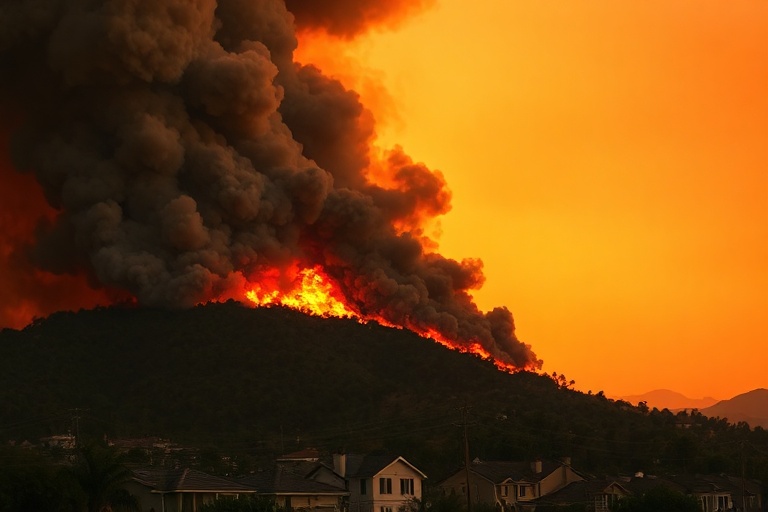
The annual fire season in Los Angeles has become a defining feature of the city’s late summer and fall calendar. What was once a predictable pattern of dry Santa Ana winds and seasonal wildfires has evolved into a year-round challenge, reshaping how residents, officials, and first responders approach fire safety and urban resilience.
The Rising Frequency and Intensity of LA Fires
Over the past decade, Los Angeles has seen a notable increase in both the number and severity of fires. According to data from the U.S. Forest Service, the average annual burned area in Los Angeles County has more than doubled since 2010. This trend reflects broader climate shifts, including hotter temperatures, prolonged drought conditions, and stronger wind events—particularly the infamous Santa Ana winds that sweep through Southern California from late fall to early winter.
Fires are no longer confined to the hills and canyons. Urban fires, often sparked by downed power lines or accidental ignitions, have become more common in densely populated areas. The 2020 Bobcat Fire, which burned over 115,000 acres in the San Gabriel Mountains, demonstrated how quickly a fire can escalate when conditions are extreme. That same year, the Getty Fire forced the evacuation of thousands and threatened multimillion-dollar homes in Brentwood and Pacific Palisades.
Key Factors Contributing to Increased Fire Risk
- Climate Change: Rising global temperatures have extended the fire season and reduced moisture in vegetation, turning brush into kindling.
- Urban-Wildland Interface: As more homes are built at the edges of wildlands, the potential for fire damage to property and lives grows.
- Infrastructure Vulnerabilities: Aging power lines, especially during high-wind events, have been linked to several major fires, including the 2019 Woolsey Fire.
- Human Activity: From unattended campfires to improperly discarded cigarettes, human error remains a leading cause of ignition.
How Los Angeles Responds to Fire Threats
Fire response in Los Angeles is a multi-layered effort involving local, state, and federal agencies. The Los Angeles Fire Department (LAFD) is the primary responder, with over 3,400 uniformed personnel and more than 100 fire stations across the city. Their responsibilities range from emergency suppression to community education and evacuation planning.
In recent years, the LAFD has expanded its use of technology to improve response times and situational awareness. Drones equipped with thermal imaging are now deployed during major incidents to map fire perimeters and locate hotspots. The department also relies on a network of weather stations and fire behavior models to predict fire spread and issue timely warnings.
Community preparedness has also become a priority. Programs like Ready! Set! Go! encourage residents to create defensible space around homes, use fire-resistant building materials, and maintain emergency supply kits. Despite these efforts, challenges persist—especially in low-income neighborhoods where resources for fire prevention may be limited.
The Human and Economic Toll of LA Fires
The impact of fires extends far beyond the charred landscape. Lives are disrupted, homes are lost, and ecosystems are permanently altered. The 2018 Woolsey Fire, for example, resulted in three deaths, the destruction of over 1,600 structures, and an estimated $6 billion in insured losses. Air quality across the region deteriorated for weeks, leading to respiratory issues for vulnerable populations, including children and the elderly.
Beyond the immediate destruction, there are long-term economic consequences. Tourism, a vital industry for Los Angeles, often takes a hit when fires close hiking trails, beaches, and popular destinations like Griffith Park. Local businesses, particularly those in fire-prone areas, face higher insurance premiums and operational disruptions. Recovery can take years, especially for small business owners who lack the financial cushion to rebuild quickly.
Environmental damage is another concern. Wildfires release massive amounts of carbon dioxide into the atmosphere, contributing to the very climate conditions that fuel future fires. In Southern California, native plant species like chaparral and sage scrub—adapted to periodic fire—are struggling to recover as fire frequency increases. Invasive grasses, which dry out faster and burn more intensely, are taking over burned areas, creating a feedback loop of higher fire risk.
Looking Ahead: Strategies for a More Resilient Los Angeles
Addressing the growing fire threat in Los Angeles requires a combination of policy, innovation, and community engagement. One promising approach is the use of controlled burns and prescribed fire to reduce hazardous fuel loads in wildlands. Though controversial due to air quality concerns, these methods have proven effective in ecosystems like the Sierra Nevada and are gradually being adopted in Southern California.
Investment in green infrastructure is also gaining traction. Firebreaks—gaps in vegetation designed to slow fire spread—are being integrated into urban planning. Green roofs and walls, which can absorb heat and reduce fire risk, are being tested on commercial and residential buildings. Additionally, the city is exploring microgrid technology to keep power flowing during high-wind events, reducing the likelihood of power-line ignitions.
Community engagement remains a cornerstone of fire resilience. Neighborhood councils and local nonprofits are organizing fire preparedness workshops, evacuation drills, and home-hardening programs. Social media and emergency alert systems have improved the speed and accuracy of warnings, though digital divides can leave some communities behind.
Ultimately, the future of fire management in Los Angeles will depend on balancing immediate safety needs with long-term sustainability. It will require cooperation between government agencies, private companies, and residents—each playing a role in reducing risk and building resilience. While the challenge is daunting, the lessons learned from past fires are shaping a more proactive and adaptive approach.
What You Can Do to Prepare
Whether you live in the hills of Topanga Canyon or a mid-city apartment, fire preparedness starts at home. Here are steps you can take today:
- Create a defensible space: Clear dead plants, dry leaves, and other flammable materials within 30 feet of your home.
- Use fire-resistant building materials: If you’re building or renovating, consider non-combustible roofing, siding, and decking.
- Sign up for alerts: Register for L.A. City Emergency Alerts and CalAlerts to receive real-time warnings.
- Prepare an emergency kit: Include water, non-perishable food, medications, important documents, and a portable charger.
- Know your evacuation routes: Identify multiple ways out of your neighborhood and practice your route with family.
Fire season in Los Angeles is no longer a seasonal event—it’s a year-round reality. But with awareness, preparation, and collective action, the city can adapt and thrive even in the face of this growing challenge.
For more on emergency preparedness and disaster response, visit the News and Analysis sections on Dave’s Locker.