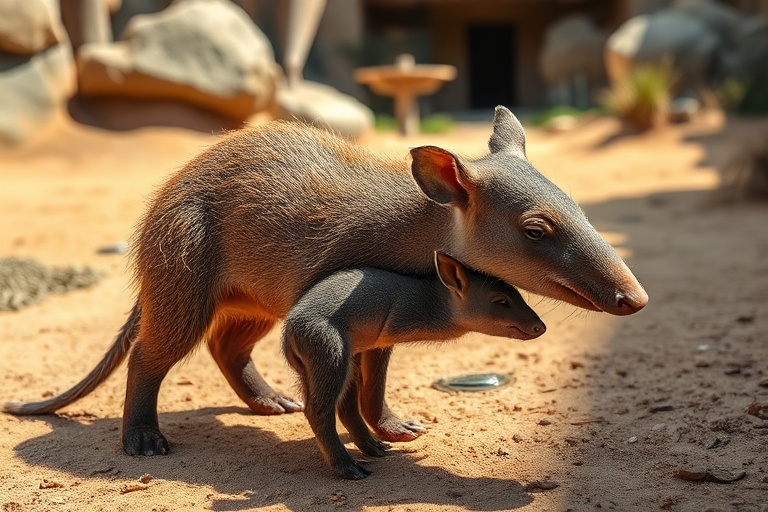
Rare Aardvark Birth at Chester Zoo: A Conservation Milestone
“`html
Aardvark Birth in Chester: A Rare Zoological Moment
The birth of an aardvark at Chester Zoo has drawn attention from wildlife enthusiasts and conservationists alike. The event, rare in captivity, offers a glimpse into the reproductive challenges faced by this unusual mammal. Aardvarks, known for their elongated snouts and ant-eating habits, are not commonly seen in zoological settings, making this birth particularly noteworthy.
The Significance of the Birth
Aardvarks, or “earth pigs,” are solitary creatures native to sub-Saharan Africa. Their nocturnal and elusive nature makes them difficult to study in the wild, and successful births in captivity are infrequent. Chester Zoo’s announcement of the newborn marks one of the few documented cases in recent years, providing valuable insights into the species’ reproductive biology.
The newborn aardvark, whose sex has not yet been confirmed, is being closely monitored by the zoo’s animal care team. Experts believe this birth could contribute to ongoing conservation efforts aimed at understanding and preserving the species. Aardvarks face threats from habitat loss and hunting, and their declining populations have prompted increased interest in captive breeding programs.
Zoos like Chester play a critical role in species conservation, often serving as genetic lifelines for endangered animals. While aardvarks are currently classified as a species of least concern by the International Union for Conservation of Nature (IUCN), their long-term survival could hinge on sustained conservation initiatives.
Challenges of Aardvark Reproduction in Captivity
Breeding aardvarks in captivity presents unique challenges. Their specialized diet, nocturnal habits, and need for large, secure enclosures make them difficult to accommodate in zoos. Additionally, aardvarks are known for their low reproductive rates, with females typically giving birth to only one offspring after a gestation period of approximately seven months.
Chester Zoo’s success in breeding aardvarks highlights the importance of expert care and species-specific knowledge. The zoo has invested in creating an environment that mimics the aardvark’s natural habitat, including deep bedding for burrowing and a controlled temperature to ensure comfort. These efforts reflect a broader trend in modern zoos, where animal welfare and conservation take precedence over mere exhibition.
Below are key factors that contribute to successful aardvark breeding in captivity:
- Specialized Diet: Aardvarks require a diet rich in ants and termites, which must be replicated in captivity using specialized formulas or live insects.
- Secure Enclosures: Their strong digging instincts necessitate enclosures with reinforced walls and deep substrates to prevent escapes or injuries.
- Low-Stress Environment: Aardvarks are sensitive to noise and disturbances, so zoos must maintain quiet, dimly lit spaces to accommodate their nocturnal nature.
- Expert Veterinary Care: Regular health check-ups and monitoring of reproductive cycles are essential to identify and address potential issues early.
Broader Implications for Wildlife Conservation
The birth of an aardvark at Chester Zoo is more than just a heartwarming event—it underscores the critical role of zoos in wildlife conservation. While some critics argue that zoos prioritize entertainment over education, institutions like Chester are increasingly focused on breeding programs, research, and public awareness campaigns.
Aardvarks, though not currently endangered, serve as an indicator species for ecosystem health. Their presence in a region often signals a balanced environment with abundant insect populations. By studying aardvarks in captivity, researchers can gather data that may be difficult to obtain in the wild, contributing to broader ecological research.
This birth also highlights the importance of international collaboration in conservation. Chester Zoo, for example, works with organizations across Africa to support habitat preservation and anti-poaching efforts. Such partnerships are vital for ensuring the long-term survival of species like the aardvark, whose natural habitats continue to face pressure from human activities.
What’s Next for the Aardvark at Chester Zoo?
The zoo has not yet revealed a timeline for when the aardvark will be on public display, though it is expected to remain under close observation for several weeks to ensure its health and development. In the meantime, visitors can learn about aardvark conservation efforts through educational exhibits and keeper talks at the zoo.
For wildlife enthusiasts, this event serves as a reminder of the delicate balance between human intervention and natural processes. While the birth of an aardvark may seem like a small milestone, it represents a significant step in the ongoing effort to protect and preserve Earth’s biodiversity. As zoos continue to refine their breeding programs, each successful birth brings hope for the future of species that share our planet.
For those interested in learning more about wildlife conservation and the role of zoos, Chester Zoo offers a range of resources and programs. Visit their News page for updates on this aardvark and other conservation initiatives, or explore their Science section for deeper insights into animal behavior and ecology.