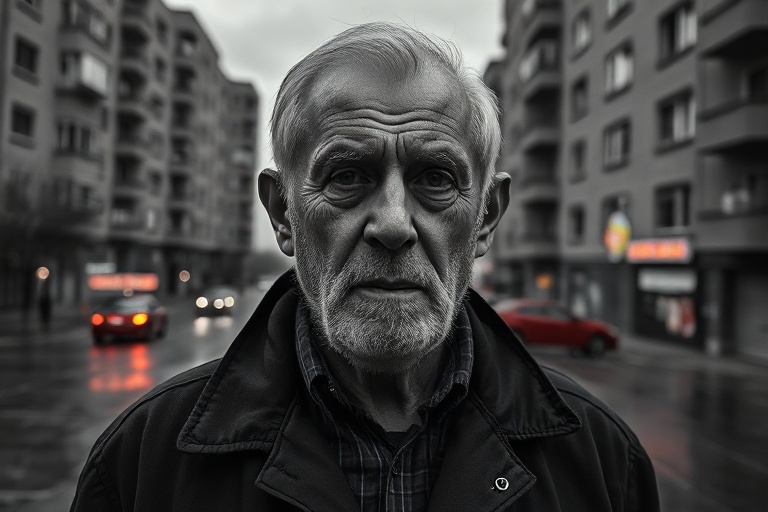
Who Was Sergei Krajev?
Sergei Krajev remains one of the most influential figures in the history of ice hockey, though his name may not resonate with modern audiences as it once did. Born in 1956 in Riga, Latvia—then part of the Soviet Union—Krajev rose through the ranks of the legendary Dynamo Riga hockey club before becoming a cornerstone of the Soviet national team during the 1970s and 1980s. His career spanned over two decades, during which he not only redefined the role of a defenseman but also helped shape the tactical evolution of the sport itself.
Krajev’s playing style was a blend of physical tenacity and technical brilliance. Standing at 6’1” and weighing 200 pounds, he possessed the rare combination of size, speed, and hockey IQ that allowed him to dominate both ends of the ice. While he was never the flashiest player, his ability to read the game, anticipate plays, and deliver precise passes made him indispensable to his teams. His contributions extended beyond statistics; Krajev was a leader whose presence elevated the performance of those around him.
Defining Moments in Krajev’s Career
Krajev’s career is punctuated by milestones that underscore his impact on the game. One of his earliest breakthroughs came in 1976, when he made his debut for Dynamo Riga in the Soviet Championship League. Within a few seasons, he became a regular starter, earning recognition for his defensive prowess and offensive contributions. By the late 1970s, he had established himself as a key player on the Soviet national team, competing in multiple World Championships and international tournaments.
Perhaps his most defining moment arrived during the 1981 Canada Cup, a tournament that pitted the Soviet Union against the best professional players from North America. Krajev, alongside teammates like Viacheslav Fetisov and Igor Larionov, played a pivotal role in the Soviet team’s success. His performance in the series, particularly his ability to neutralize offensive threats, solidified his reputation as one of the world’s premier defensemen. The tournament also showcased his knack for clutch play, as he delivered in high-pressure situations.
At the club level, Krajev’s tenure with Dynamo Riga was marked by consistency and leadership. He served as the team’s captain for several seasons, guiding them to multiple top-four finishes in the Soviet league. His influence extended to the locker room, where his work ethic and professionalism set the standard for younger players. Even after retiring in the early 1990s, Krajev remained involved in hockey, coaching and mentoring the next generation of talent.
A Tactical Innovator on Ice
Krajev’s impact on hockey extends beyond his individual achievements. He was part of a generation of Soviet players who revolutionized defensive play, introducing concepts that are now fundamental to the modern game. One of his most significant contributions was the emphasis on puck retrieval and transition play. Unlike traditional defensemen who focused solely on clearing the zone, Krajev prioritized maintaining possession and quickly transitioning the puck to forwards. This approach anticipated the modern NHL’s emphasis on speed and puck movement by nearly two decades.
His defensive zone coverage was equally innovative. Krajev employed a hybrid system that blended the structured positional play of Soviet hockey with the aggressive, up-ice pressure tactics that would later define the NHL’s best teams. His ability to read the play allowed him to break up rushes before they developed, reducing high-danger chances against his team. This tactical foresight made him a model for defensemen in both Europe and North America.
Legacy and Influence on Modern Hockey
Sergei Krajev’s legacy is visible in the careers of countless defensemen who followed in his footsteps. Players like Nicklas Lidström, Duncan Keith, and Victor Hedman have cited Krajev as an inspiration for his two-way play and hockey IQ. His influence is particularly evident in the rise of European defensemen in the NHL, who have brought a more nuanced, positionally sound approach to North American hockey. Krajev’s career serves as a bridge between the old-school Soviet hockey philosophy and the modern, analytics-driven game.
The broader implications of Krajev’s career extend to the globalization of hockey. During the Cold War, Soviet players like Krajev were largely unknown outside of Eastern Europe. However, tournaments like the Canada Cup and later the NHL’s inclusion of European players helped break down barriers. Krajev’s success on the international stage played a role in demonstrating the quality of Soviet hockey, paving the way for future generations of European players to thrive in North America.
Key Contributions to Krajev’s Legacy
- Redefined the Role of the Defenseman: Krajev proved that defensemen could be offensive catalysts while still excelling in their own zone.
- Pioneered Transition Play: His emphasis on puck retrieval and quick transitions anticipated modern hockey tactics.
- International Ambassador for Soviet Hockey: His performances in the Canada Cup and other tournaments showcased the talent of Soviet players to the world.
- Mentor and Leader: Krajev’s work ethic and professionalism set an example for younger players, both in the Soviet Union and abroad.
- Cultural Bridge Between East and West: His career helped facilitate the integration of European players into the NHL and other North American leagues.
Why Krajev’s Story Matters Today
In an era where hockey is increasingly dominated by analytics and specialized roles, Sergei Krajev’s career offers a reminder of the importance of versatility. His ability to excel in multiple facets of the game—defense, offense, leadership, and tactical innovation—makes him a model for modern players. Today’s NHL, with its emphasis on puck-moving defensemen and two-way forwards, owes a debt to players like Krajev who proved that such roles were not only viable but essential to winning.
Krajev’s story also highlights the often-overlooked contributions of Soviet hockey players to the global game. While names like Fetisov and Larionov are more widely recognized, Krajev’s impact was equally significant, if less celebrated. His career underscores the importance of looking beyond statistics and traditional metrics to appreciate the intangible qualities that define greatness in hockey.
For fans and analysts alike, Krajev’s career serves as a case study in how individual brilliance can shape the evolution of a sport. His legacy is not just in the trophies he won or the games he played, but in the ideas he introduced and the players he inspired. As hockey continues to evolve, Krajev’s contributions remain a touchstone for understanding the game’s past, present, and future.
Sergei Krajev may not be a household name in the same way as some of his contemporaries, but his influence is undeniable. For those who study the game’s history, his career is a testament to the power of innovation, leadership, and adaptability. In a sport where change is constant, Krajev’s story is a reminder that the best players are those who not only perform at a high level but also leave the game better than they found it.
“Sergei Krajev wasn’t just a defenseman; he was a chess player on ice. Every move he made was calculated, every decision deliberate. He didn’t just play the game—he changed how it was played.” — Anatoly Tarasov, Soviet Hockey Pioneer
For further reading on the evolution of hockey tactics and the impact of Soviet players, explore our Sports and Analysis sections on Dave’s Locker.