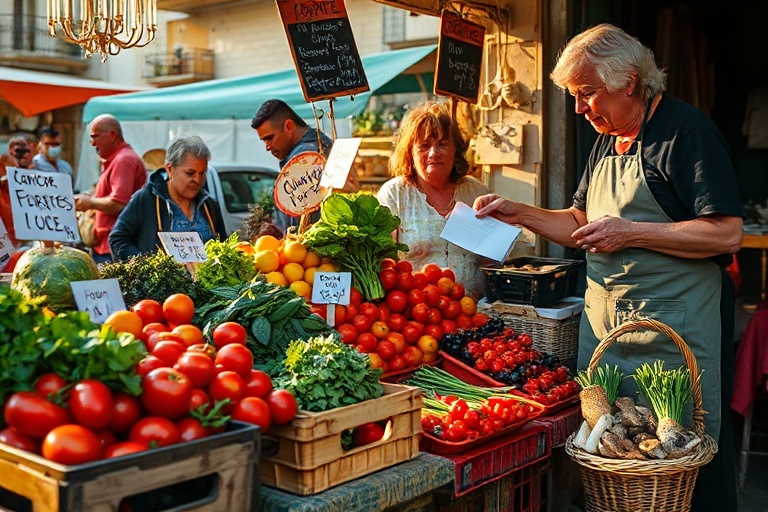
The Rising Tide of Food Prices: A Global Perspective
The cost of food has become a defining economic challenge of our time. From the bustling markets of Nairobi to the supermarket aisles of Tokyo, consumers are feeling the pinch as prices climb steadily. This isn’t just a temporary fluctuation—it’s a shift with deep roots in global supply chains, climate change, and shifting trade policies. Understanding these forces requires looking beyond headlines to the complex systems that bring food to the table.
In many parts of the world, rising food prices aren’t just an inconvenience; they’re a crisis. The United Nations estimates that over 700 million people faced hunger in 2023, a number that has grown for three consecutive years. Behind these statistics lie real struggles: families skipping meals, farmers abandoning crops, and governments scrambling to stabilize markets. The issue is particularly acute in low-income countries, where food can account for more than half of household spending.
The Forces Driving Up Costs
The drivers of higher food prices are as varied as they are interconnected. At the top of the list is climate change, which has disrupted growing seasons and reduced yields for staples like wheat, rice, and corn. Extreme weather events—droughts in the American Midwest, floods in South Asia, and unseasonal frosts in Europe—have become more frequent, shrinking harvests and tightening supplies. The World Bank reports that agricultural production losses due to climate shocks have increased by nearly 20% since the 1990s.
Another major factor is the rising cost of energy. Fertilizers, fuel for tractors, and transportation all depend heavily on oil and gas. When energy prices spike—as they did during the 2022 Ukraine war—food production and distribution become more expensive. This ripple effect was starkly visible when fertilizer prices doubled in some regions, forcing farmers to cut back on inputs and accept lower yields.
Trade policies and geopolitical tensions also play a role. Export restrictions, such as India’s ban on rice shipments in 2023, can create artificial shortages and drive up global prices. Meanwhile, the ongoing conflict in Ukraine—once a major exporter of grain—has disrupted one of the world’s most critical food supply routes. The Black Sea Grain Initiative, which allowed Ukrainian wheat to reach global markets, has been a rare stabilizing force, but its future remains uncertain.
Cultural Shifts and Consumer Choices
Food prices don’t just affect wallets—they influence diets, traditions, and even social structures. In countries like Mexico, where corn is a dietary cornerstone, rising tortilla prices have sparked protests and forced families to switch to cheaper, less nutritious alternatives. Similarly, in India, the price of onions—a staple in countless dishes—has become a political issue, with governments forced to intervene when costs spiral.
Cultural habits are adapting in response. In Japan, where rice is sacred, younger generations are increasingly turning to imported grains or processed foods to save money. In Italy, pasta consumption has declined as prices surge, with many opting for lower-cost alternatives like bread or potatoes. These shifts aren’t just economic—they’re reshaping culinary identities that have been passed down for generations.
Even in wealthier nations, the impact is felt. In the United States, grocery bills have risen by nearly 12% since 2020, according to the USDA. For low-income households, this means fewer fresh fruits and vegetables, leading to long-term health consequences. The irony is that while processed foods are often cheaper, they contribute to rising obesity and diabetes rates, creating a vicious cycle of poor health and financial strain.
What’s Being Done—and What’s Not
Governments and international organizations are deploying a mix of short-term relief and long-term strategies. Subsidies, price controls, and food aid programs have become lifelines for millions. In Egypt, the government provides bread at subsidized rates to prevent social unrest. In Ethiopia, the World Food Programme delivers emergency rations to drought-stricken regions. These efforts are vital but often unsustainable without structural changes.
On a global scale, calls for reform are growing louder. Advocates push for investment in climate-resilient agriculture, fairer trade policies, and reduced food waste—a problem that accounts for nearly one-third of all food produced. Organizations like the UN’s Food and Agriculture Organization (FAO) argue that systemic changes, not just band-aid solutions, are needed to address the root causes of rising prices.
Yet progress is slow. Political will is often lacking, and powerful agricultural lobbies resist reforms that threaten their profits. Meanwhile, the most vulnerable populations continue to bear the brunt of the crisis. For them, the rising cost of food isn’t just an economic issue—it’s a matter of survival.
The Path Forward
Looking ahead, the outlook is mixed. Climate models predict more extreme weather, which will likely keep food prices elevated. However, innovations in agricultural technology—like drought-resistant crops and precision farming—offer hope. Countries are also exploring ways to reduce reliance on global supply chains by boosting local production. Vertical farming, hydroponics, and urban agriculture are gaining traction, particularly in densely populated cities.
Consumers, too, are becoming more conscious of their food choices. The slow food movement, which emphasizes local and seasonal eating, is gaining ground. So is the push for transparency in food labeling, allowing shoppers to make informed decisions about where their food comes from and how it’s produced. These shifts, though gradual, could reshape the food landscape in the coming decades.
Still, the road to stability is long and uneven. While some nations have the resources to weather the storm, others face dire shortages. The international community must act decisively to prevent a full-blown food crisis. That means addressing climate change, reforming trade policies, and ensuring that aid reaches those who need it most.
For now, the rising cost of food remains one of the most pressing challenges of our era. It’s a reminder that the systems feeding the world are fragile—and that without urgent action, the consequences will be felt by everyone, from the farmer in Kenya to the parent in Berlin.