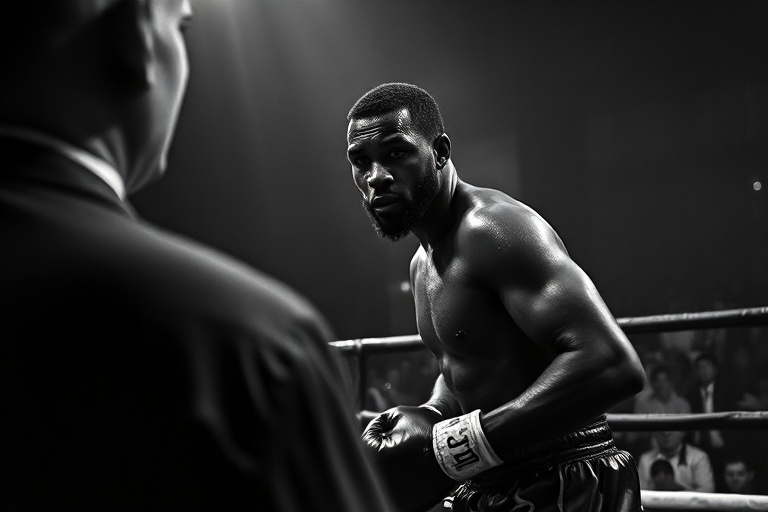
Adrien Broner: The Rise, Fall, and Legacy of a Boxing Star
“`html
Adrien Broner: The Rise, Fall, and Reinvention of a Boxing Prodigy
Adrien Broner entered the boxing world as a teenager with a swagger that matched his skill. By 2011, at 21, he claimed his first world title in the super featherweight division, becoming the youngest world champion in that weight class at the time. His speed, power, and unshakable confidence made him an instant star, drawing comparisons to legends like Floyd Mayweather Jr. and Oscar De La Hoya. But Broner’s career has been a study in contrasts—brilliant peaks followed by unexpected valleys, all under the glare of a global spotlight.
Born in Cincinnati, Ohio, in 1989, Broner’s journey began in the city’s tough West Side. Boxing ran in his blood; his father, Ken Broner, was a local amateur fighter. Adrien started training at age four, inspired by the sport’s discipline and the chance to escape the neighborhood’s challenges. His talent was undeniable, but his personality often stole the show. Known for his flashy persona—designer clothes, gold chains, and a habit of trash-talking opponents—Broner embodied the modern athlete who thrives on spectacle as much as sport.
The Making of a Champion
Broner’s rise to the top was meteoric. After turning professional at 17, he won his first 24 fights, with 20 coming by knockout. His 2011 victory over Vicente Martin Rodriguez to claim the WBO super featherweight title cemented his status as a future superstar. The fight, broadcast on HBO, showcased his defensive mastery and counterpunching brilliance. Analysts marveled at his ability to adapt mid-fight, adjusting strategies like a seasoned veteran despite his youth.
By 2013, Broner had moved up in weight and captured the WBA welterweight title, defeating Paulie Malignaggi. The win was a statement: Broner wasn’t just a one-division wonder. His ability to dominate across multiple weight classes hinted at a rare versatility. Yet, even as his star rose, critics pointed to his lack of killer instinct. Some fights ended decisively, but others left fans wanting more intensity. Boxing, after all, rewards not just skill but the will to finish opponents.
Off the canvas, Broner’s persona evolved into a brand. He signed lucrative deals with Mayweather Promotions and later Premier Boxing Champions, leveraging his marketability to secure high-profile bouts. In an era where fighters increasingly become global brands, Broner understood the power of personality. His social media presence—filled with luxury cars, jewelry, and cryptic taunts—mirrored the excesses of hip-hop culture, resonating with younger audiences who saw boxing as entertainment first.
The Fall from Grace
For all his early promise, Broner’s career took a sharp turn. Losses to Marcos Maidana in 2013 and Shawn Porter in 2015 exposed vulnerabilities. Maidana, a rugged brawler from Argentina, overwhelmed Broner with relentless pressure, while Porter’s work rate exposed his lack of stamina. These defeats weren’t just setbacks; they were turning points. Fans and analysts began questioning whether Broner’s heart matched his mouth.
The decline continued. In 2016, he lost to rising star Shawn Porter in a rematch, and in 2017, a shocking upset by Adrian Granados—a journeyman with a losing record—painted Broner as a fighter past his prime. Critics argued his lack of focus was his downfall. His personal life, marked by legal troubles and financial mismanagement, further complicated his career. In 2019, he was arrested for domestic violence, a charge that tarnished his reputation and led to a brief jail sentence.
Broner’s response to adversity has been inconsistent. While he occasionally showed flashes of brilliance—such as his 2018 win over Jessie Vargas—his inability to string together wins against top-tier opponents became a pattern. The boxing world, known for its short memory, moved on. Younger fighters like Terence Crawford and Errol Spence Jr. rose to prominence, leaving Broner’s legacy in limbo.
A Second Act? The Quest for Redemption
As of 2024, Broner’s career hangs in the balance. At 34, he’s no longer a headline attraction, but he remains a fighter. His recent fights against underwhelming competition—including a 2023 bout against Vyacheslav Shabranskyy—have done little to silence skeptics. Yet, redemption stories are part of boxing’s DNA. Fighters like Mike Tyson and Evander Holyfield have rebuilt their careers after falling from grace. Could Broner be next?
His path to relevance may lie outside the ring. Broner has explored music, releasing tracks under the name “AB” and collaborating with artists like Yo Gotti. His foray into entertainment reflects a broader trend of athletes diversifying their careers. Meanwhile, podcasts and social media have given him a platform to rebrand, shifting from the brash young champion to a reflective figure discussing the highs and lows of his journey.
Boxing purists may never fully embrace Broner, but his story offers lessons about the fleeting nature of fame and the importance of legacy. His early years were defined by potential, but potential alone doesn’t win titles—or respect. The question now is whether Broner can carve out a meaningful second act or if he’ll fade into the annals of what-could-have-been.
The Global Impact of Broner’s Career
Broner’s influence extends beyond the ring. In the United States, he became a symbol of the crossover athlete, blending sports with hip-hop culture. His rivalry with Floyd Mayweather Jr.—both in and out of the ring—highlighted the commercialization of boxing, where personalities often overshadow pure athleticism. Internationally, his fights drew attention in Latin America and Europe, where boxing enjoys massive popularity. His 2013 bout against Malignaggi was broadcast in over 100 countries, showcasing boxing’s global reach.
Yet Broner’s career also reflects the pressures of fame. The same confidence that propelled him to stardom also led to reckless decisions. His legal troubles and financial woes are cautionary tales for athletes who rise to fame too quickly. In an era where mental health is increasingly discussed, Broner’s struggles with discipline and focus offer a raw look at the challenges of maintaining success in a cutthroat industry.
For younger fighters, Broner’s career serves as both inspiration and warning. His early dominance proved that talent could overcome inexperience. But his later struggles underscore the need for adaptability and humility. Boxing is a sport that chews up the unprepared, and Broner’s journey is a reminder that even the gifted must evolve.
What’s Next for Adrien Broner?
The answer depends on who you ask. Fans who remember his prime will hold out hope for a late-career resurgence. Critics will argue he’s long past his best. What’s clear is that Broner’s story is far from over. Whether he returns to the ring, expands into entertainment, or finds a new calling entirely, his legacy will be debated for years. One thing is certain: Adrien Broner was never just a boxer. He was a cultural figure, a product of his time, and a fighter who left an indelible mark on the sport.
As the boxing world continues to evolve, Broner’s place in history remains a topic of fascination. Will he be remembered as a cautionary tale or a pioneer? Only time will tell. For now, his story serves as a testament to the unpredictability of sports—and the enduring allure of redemption.
—
Related Content
- Explore more boxing legends and rising stars in the Sports section of Dave’s Locker.
- For deeper analysis on the business of boxing, visit our Analysis archives.
—
Adrien Broner: A Timeline of Highs and Lows
- 2008: Turns professional at 17, beginning a rapid ascent in the sport.
- 2011: Wins his first world title at 21, becoming the youngest super featherweight champion in history.
- 2013: Captures the WBA welterweight title, proving his versatility across weight classes.
- 2013-2015: Suffers key losses to Marcos Maidana and Shawn Porter, exposing weaknesses in his game.
- 2017: Shock upset by Adrian Granados, signaling a decline in his career.
- 2019: Arrested for domestic violence, leading to a temporary hiatus from the sport.
- 2023: Returns to the ring but continues to struggle against competitive opponents.
—