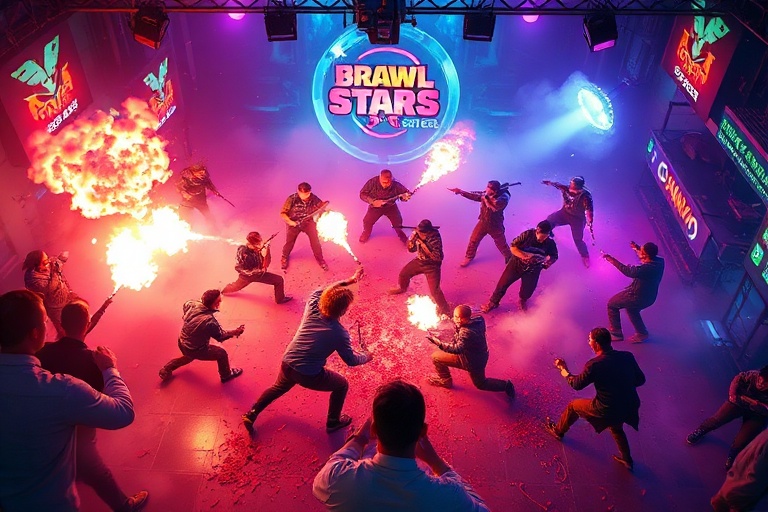
Brawl Stars: How a Mobile Game Conquered Global Gaming Culture
“`html
Brawl Stars: A Global Gaming Phenomenon Built on Simplicity and Strategy
Supercell’s Brawl Stars is more than just a mobile game. Since its launch in December 2018, it has grown into a competitive esports title, a cultural touchstone for Gen Z gamers, and a platform where millions connect through shared gameplay. With over 150 million monthly active players across 170 countries, it ranks among the most popular mobile games of the decade. What began as a casual multiplayer experience has evolved into a sophisticated ecosystem blending arcade action, team strategy, and viral social interaction.
The game’s premise is straightforward: players control cartoonish characters called Brawlers, each with unique abilities, in various game modes ranging from solo showdowns to 3v3 team battles. Yet beneath this simplicity lies a depth that keeps players engaged. Fast-paced matches—often lasting under three minutes—deliver immediate gratification, while a progression system based on unlocking skins, brawlers, and cosmetics taps into the psychological pull of collectibles. This balance between ease of access and long-term investment has been key to its universal appeal.
The Global Reach of Brawl Stars: From Mumbai to Mexico City
Brawl Stars is a truly global game, with regional communities flourishing in unexpected ways. In India, where mobile gaming has surged due to affordable data and smartphones, the game has become a social hub. Local tournaments and YouTube creators like Brawl Stars India have amassed millions of subscribers, turning gameplay into a form of entertainment. Meanwhile, in Latin America, grassroots esports leagues have emerged in Brazil and Mexico, with players competing for regional titles and sponsorships from brands like local energy drink companies.
In Europe, countries like Spain and Germany have developed strong competitive scenes. The Brawl Stars World Finals regularly features teams from these regions, showcasing high-level coordination and strategy. In Africa, mobile gaming is growing rapidly, and games like Brawl Stars are leading the charge. In Nigeria and Kenya, players stream matches on platforms like Twitch and YouTube, building communities around shared passion. The game’s accessibility—requiring only a mid-range device and stable internet—makes it ideal for regions where high-end gaming hardware is still rare.
Cultural adaptation is another factor in its success. Supercell has localized content, including themed skins tied to regional festivals. For instance, during Diwali, the game introduced a limited-time skin inspired by Indian traditions, resonating deeply with players in South Asia. Such touches reinforce a sense of belonging, turning Brawl Stars into more than a game—it’s a cultural artifact.
Esports and Community: How Brawl Stars Built a Competitive Scene
The competitive side of Brawl Stars began quietly but grew rapidly. What started as informal leaderboards evolved into structured leagues and international tournaments. The Brawl Stars Championship, launched in 2020, became the flagship esports event, drawing hundreds of thousands of viewers. Teams like Team Queso and Savage Gaming have become household names in the scene, inspiring new players to pursue competitive play.
Community events also play a crucial role. Supercell frequently hosts in-game challenges and special modes that encourage teamwork and creativity. These events often coincide with real-world holidays or gaming milestones, fostering a sense of shared participation. Social media platforms like TikTok and Instagram amplify this engagement, with players sharing highlight reels, memes, and strategy tips. The result is a self-sustaining ecosystem where gameplay, streaming, and community interaction feed off each other.
Streamers are the lifeblood of this ecosystem. Creators like CarlJr and Orange Juice have built massive followings by streaming Brawl Stars on Twitch and YouTube. Their personalities—whether educational, comedic, or competitive—help shape the game’s culture. Some streamers collaborate with Supercell, hosting tournaments or creating exclusive content, further blurring the line between player and developer.
- Esports Structure: Regional leagues feed into global championships, with qualifiers held online.
- Community Events: Limited-time modes and challenges keep the meta fresh and encourage participation.
- Streamer Influence: Content creators drive visibility and introduce new players to the game.
The Business of Brawl Stars: Monetization and Longevity
Brawl Stars follows a free-to-play model, but its monetization strategy is carefully balanced. Players can earn in-game currency through gameplay, but premium currency—used for skins, brawlers, and cosmetics—is a major revenue driver. The game’s frequent updates introduce new characters and seasonal content, creating urgency for players to spend. However, Supercell avoids pay-to-win mechanics, ensuring that skill remains the primary factor in success.
This approach has paid off. According to Supercell’s financial reports, Brawl Stars consistently ranks among the top-grossing mobile games worldwide. In 2023, it generated over $300 million in revenue, proving its staying power. The game’s longevity is also supported by a robust live-service model. Regular balance updates, new brawlers, and seasonal events keep the meta evolving, preventing stagnation.
Yet challenges remain. The mobile gaming market is crowded, and retaining players over years requires constant innovation. Supercell has responded by expanding the game’s narrative universe through comics, animated shorts, and even a mobile-first animated series. These efforts help deepen player investment beyond the game itself, turning Brawl Stars into a franchise rather than a single product.
The Future: What’s Next for Brawl Stars?
As Brawl Stars enters its seventh year, its future looks bright but uncertain. The game continues to grow in emerging markets like Southeast Asia and the Middle East, where mobile gaming is still on the rise. Supercell has hinted at potential expansions, including cross-platform play or new game modes, though details remain under wraps.
One area of potential growth is education. Schools and esports programs in countries like South Korea and the United States have begun using Brawl Stars to teach teamwork, strategy, and even coding basics through game design principles. While still niche, this trend could position the game as more than just entertainment—it could become a tool for learning.
Another challenge is maintaining community trust. Microtransactions and balance changes have sparked occasional backlash, particularly when new brawlers are perceived as overpowered. Supercell’s responsive approach—listening to player feedback and adjusting updates—has helped mitigate frustration, but the risk of alienating the player base is ever-present.
Ultimately, Brawl Stars success stems from its ability to evolve while staying true to its core. It’s a game designed for quick play but built for long-term engagement. Whether through esports, streaming, or cultural events, it continues to shape how millions experience mobile gaming. As the industry evolves, Brawl Stars stands as a model for how a simple idea can grow into a global phenomenon.
The next chapter may involve new platforms, deeper storytelling, or even integration with other Supercell titles. But one thing is clear: as long as players crave fast, fun, and social gameplay, Brawl Stars will be there to meet them.