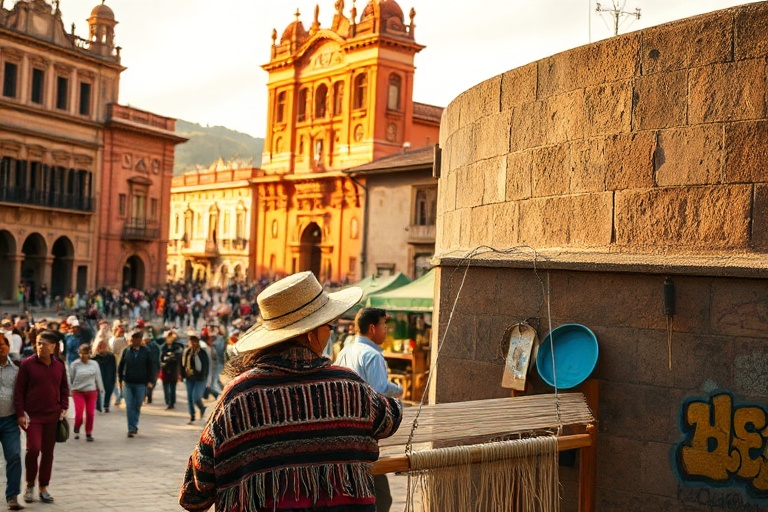
Few routes in South America offer the same blend of ancient history and modern transformation as the journey from Cusco, Peru, to Medellín, Colombia. These two cities, separated by nearly 2,000 kilometers and a diverse range of landscapes, represent distinct chapters in the continent’s narrative. Cusco, once the heart of the Inca Empire, stands as a living museum of pre-Columbian civilization, while Medellín has reinvented itself from a troubled past into one of Latin America’s most innovative urban centers.
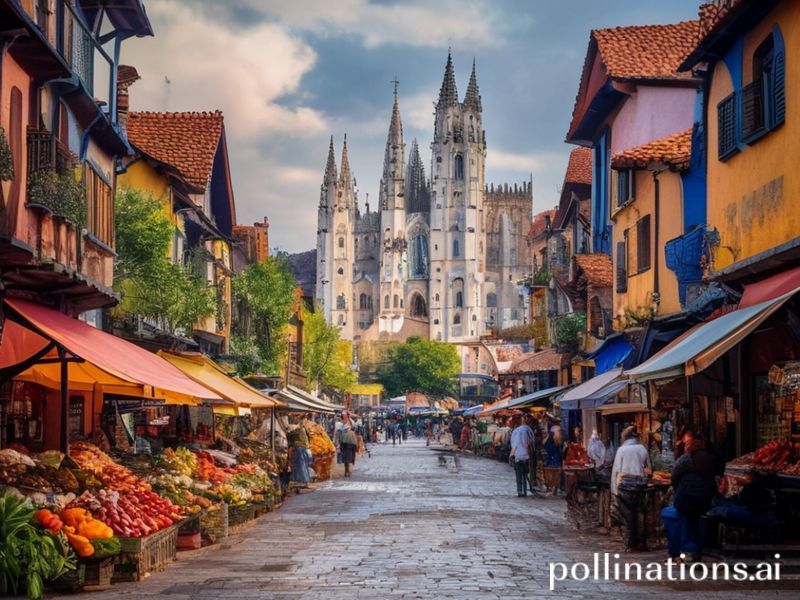
The contrast between these cities is striking. Cusco’s cobblestone streets and colonial architecture echo with centuries of history, while Medellín’s cable cars and digital nomad cafes symbolize forward-thinking urban renewal. Travelers who make this journey often find themselves reflecting on how two places, so different in origin and trajectory, can both captivate the imagination in equal measure.
The Historical Depth of Cusco: A Gateway to the Inca World
Cusco’s significance cannot be overstated. Designated a UNESCO World Heritage Site in 1983, the city was the administrative, political, and cultural center of the Inca Empire, known as Tawantinsuyu, or “Land of the Four Quarters.” The Incas built their capital atop existing indigenous settlements, incorporating sophisticated urban planning that still influences the city today. The layout of Cusco reflects the Inca cosmology, with streets radiating from the central plaza like the arms of a puma—a sacred animal in Andean culture.
Visitors to Cusco often begin their exploration at the Plaza de Armas, a grand square surrounded by colonial-era cathedrals and Inca-built walls. Nearby, the Qorikancha, once the most important temple in the Inca Empire, showcases the precision of Inca stonework. Its foundations were later used to construct the Church of Santo Domingo, a deliberate act of cultural syncretism that speaks to the layers of history embedded in the city.
Beyond the city center, the Sacred Valley offers a deeper dive into Inca heritage. Sites like Pisac, Ollantaytambo, and Moray reveal agricultural terraces, ceremonial baths, and fortress complexes that demonstrate the empire’s engineering prowess. For many, the ultimate pilgrimage is the Inca Trail to Machu Picchu, a four-day trek that ends at the iconic citadel perched high in the Andes. The journey from Cusco to Machu Picchu is more than a hike; it’s a passage through time.
Medellín’s Transformation: From Crisis to Innovation
Medellín’s story is one of resilience and reinvention. Once synonymous with cartel violence and urban decay, the city has undergone a remarkable metamorphosis in the 21st century. Today, it is celebrated for its social urbanism, public transportation innovations, and vibrant cultural scene. The transformation began in the early 2000s under the leadership of Mayor Sergio Fajardo, who championed projects that integrated marginalized neighborhoods with the city’s core.
Key to Medellín’s rebirth was the expansion of its metro system, which includes not only buses and trains but also a network of cable cars—Metrocable—that connect hillside communities to the urban center. These cable cars, initially a solution to geographic barriers, became symbols of social inclusion. They provided residents of informal settlements, or comunas, with access to jobs, education, and healthcare, fundamentally altering their quality of life.
The city’s commitment to innovation extends beyond infrastructure. Medellín has become a hub for startups, co-working spaces, and technology incubators. Initiatives like Ruta N, a government-backed innovation center, have attracted international attention and investment. The city’s emphasis on education is evident in projects like the Parque Explora, an interactive science museum, and the recently opened Medellín Innovation District, which aims to position the city as a leader in smart urban development.
Cultural Highlights in Medellín
Medellín’s cultural scene is as dynamic as its urban landscape. The city hosts the annual Feria de las Flores, a vibrant celebration of Antioquian heritage featuring silleteros—farmers who parade into the city carrying elaborate flower arrangements on their backs. The festival, which dates back to 1957, is a testament to Medellín’s enduring connection to its rural roots.
Art and music thrive in Medellín’s neighborhoods. Comuna 13, once a stronghold of armed groups, is now a canvas for graffiti and a hub for hip-hop and breakdancing. The area’s transformation is chronicled in guided tours that highlight both its dark past and creative present. Meanwhile, the Museo de Antioquia houses an impressive collection of works by Fernando Botero, the city’s most famous artist, whose signature “chubby” style has become an international symbol of Colombian art.
Connecting the Two Worlds: Travel Tips and Routes
For travelers looking to bridge the gap between Cusco and Medellín, the journey itself is an adventure. There are two primary routes, each offering distinct experiences. The first involves flying from Cusco to Lima, then connecting to Medellín via Bogotá or a direct flight to José María Córdova International Airport. This option is the fastest, with total travel time typically under eight hours, including layovers.
The second route is an overland journey that combines buses, trains, and domestic flights. Travelers often start by taking a bus from Cusco to Puno, on the shores of Lake Titicaca, where they can explore the floating Uros Islands or visit the archaeological site of Sillustani. From Puno, a flight to Lima or Juliaca is necessary before connecting to Medellín. While this route is more time-consuming, it allows for a deeper immersion in the Andean landscapes and cultures that define Peru’s highlands.
What to Pack and Prepare
Traveling between Cusco and Medellín requires thoughtful preparation. The altitude in Cusco (3,400 meters above sea level) can cause altitude sickness, so travelers are advised to spend at least a day or two acclimatizing before exploring. Staying hydrated and avoiding strenuous activity upon arrival are essential steps. In contrast, Medellín sits at a more moderate altitude of 1,495 meters, making it a comfortable respite after the high-altitude experiences of Cusco.
A well-packed bag should include layers of clothing to accommodate varying temperatures. Cusco’s highland climate can be chilly, especially in the evenings, while Medellín’s “City of Eternal Spring” nickname reflects its mild, spring-like weather year-round. Comfortable walking shoes are a must, as both cities reward exploration on foot. Travelers should also carry a reusable water bottle, as both destinations emphasize sustainability and eco-friendly practices.
Why This Journey Matters
The route from Cusco to Medellín is more than a physical journey; it’s a passage through history, culture, and transformation. It challenges travelers to confront the contrasts between past and present, tradition and innovation, struggle and resilience. Cusco’s ancient streets remind us of the enduring legacy of indigenous civilizations, while Medellín’s modern skyline and social projects offer hope for the future of urban living.
Both cities share a spirit of reinvention. Cusco has preserved its heritage while adapting to the demands of tourism and globalization. Medellín has rewritten its narrative from one of violence to one of innovation and inclusivity. Together, they represent the dual forces of preservation and progress that define much of Latin America today.
For those considering this journey, the experience is as much about introspection as it is about exploration. The transition from Cusco’s ancient rhythms to Medellín’s dynamic pulse invites reflection on the role of history in shaping our present—and the power of human ingenuity to transform even the most challenging circumstances.
Final Thoughts
Whether you’re drawn to Cusco for its archaeological wonders or Medellín for its urban innovations, the journey between these two cities offers a rare opportunity to witness the breadth of South America’s cultural and historical landscape. It’s a reminder that travel is not just about seeing new places, but about understanding the stories that shape them.
For travelers seeking inspiration, Dave’s Locker travel section offers curated guides and tips for exploring destinations like Cusco and Medellín. Whether you’re planning a pilgrimage to Machu Picchu or a deep dive into Medellín’s innovation district, the journey begins with curiosity—and ends with transformation.