department for transport
“`html
Understanding the UK Department for Transport: Policies, Challenges, and Future Directions
The Department for Transport (DfT) plays a pivotal role in shaping the United Kingdom’s mobility landscape. From highways to rail networks, aviation to maritime routes, its policies influence millions of daily journeys. Established to ensure safe, efficient, and sustainable transport systems, the DfT operates at the intersection of public service, economic growth, and environmental responsibility. Despite its bureaucratic nature, the department’s decisions resonate far beyond Whitehall corridors, touching commuters, businesses, and communities nationwide.
Its mandate extends beyond mere infrastructure management. The DfT shapes regulations, allocates funding, and sets national transport priorities. These actions ripple across industries, impacting everything from fuel prices to housing affordability. Understanding how the DfT functions—and where it faces criticism—provides insight into broader governance challenges in public policy.
The Role and Structure of the Department for Transport
Created in 2002 through the merger of several transport-related agencies, the DfT consolidated responsibilities under one umbrella. Today, it oversees a complex web of services and sectors. At its core, the department aims to deliver a transport system that supports economic growth, reduces carbon emissions, and enhances accessibility for all citizens.
Its organizational structure reflects this broad scope. The DfT is led by a Secretary of State, supported by Ministers of State and Parliamentary Under-Secretaries. Behind the political leadership sits a professional civil service, divided into directorates focusing on aviation, rail, roads, maritime, and local transport. Each division collaborates with agencies like Highways England, Network Rail, and the Maritime and Coastguard Agency to implement policy.
Key responsibilities include:
- Infrastructure investment: Planning and funding major projects such as HS2, Crossrail, and motorway upgrades.
- Regulation and safety: Setting standards for vehicle emissions, driver licensing, and transport operator compliance.
- Sustainability initiatives: Promoting low-carbon transport options like electric vehicles and cycling infrastructure.
- Public transport reform: Overseeing franchising of rail services and bus service improvement plans.
This structure underscores the DfT’s dual role: balancing immediate operational needs with long-term strategic vision. Yet, this complexity also creates challenges in coordination and accountability.
Recent Policy Shifts and Public Impact
The past five years have seen significant shifts in DfT priorities. The COVID-19 pandemic forced rapid adaptation, with a focus on maintaining supply chains and enabling remote work. Funding was redirected to support public transport operators during plummeting ridership. Simultaneously, the government accelerated its commitment to net-zero carbon emissions by 2050, embedding decarbonization into transport planning.
One notable initiative is the Transport Decarbonisation Plan, published in 2021. It outlines a phased approach to phasing out petrol and diesel cars by 2035, investing in electric vehicle charging networks, and promoting active travel like walking and cycling. The plan also emphasizes the role of public transport in reducing emissions, signaling a potential renaissance for buses and trains.
However, implementation has been uneven. While electric vehicle registrations have surged, concerns persist over rural charging infrastructure and the affordability of zero-emission models. Meanwhile, rail franchising remains a contentious issue, with repeated calls for reform to improve service reliability and passenger value.
Another area of focus is active travel. The DfT’s Cycling and Walking Investment Strategy aims to double cycling trips by 2025. Local authorities have received grants to build segregated cycle lanes and pedestrian zones. Cities like London, Manchester, and Bristol have seen visible changes, though uptake varies widely depending on infrastructure quality and public awareness.
Controversies and Criticisms
No government department operates without controversy, and the DfT is no exception. One recurring issue is the disconnect between policy ambition and delivery. Ambitious targets for decarbonization and active travel often clash with budget constraints, political timelines, and local opposition. For example, the scrapping of the northern leg of HS2 in 2023 drew criticism for undermining long-term connectivity goals and wasting prior investments.
Another point of contention is the prioritization of certain transport modes over others. Critics argue that decades of road-building have entrenched car dependency, while bus services—used by millions of lower-income passengers—remain underfunded. The DfT’s recent bus strategy seeks to address this, yet skepticism lingers about whether funding will match rhetoric.
Safety remains a persistent concern. Despite advances in vehicle technology, road deaths and serious injuries have plateaued in recent years. The DfT has updated its road safety action plan, but campaigners insist more urgent action is needed, particularly around speed enforcement and road design.
Future Challenges and Opportunities
Looking ahead, the DfT faces a series of unprecedented challenges. The transition to net-zero transport demands not only technological innovation but also behavioral change. Convincing the public to embrace public transport, cycling, and shared mobility—especially outside urban centers—will require more than policy documents. It demands cultural shifts and equitable access.
Another challenge is technological disruption. The rise of ride-hailing apps, e-scooters, and autonomous vehicles is redefining mobility. The DfT has begun exploring regulatory frameworks for these innovations, but the pace of change risks outstripping legislative responses. Ensuring safety without stifling innovation remains a delicate balance.
Brexit has also reshaped the DfT’s international role. While the UK is no longer bound by EU transport regulations, it must negotiate new agreements on aviation, rail, and maritime trade. Securing seamless connectivity with Europe—especially for freight and business travel—is critical to economic stability.
Yet, within these challenges lie opportunities. The push for decarbonization has catalyzed investment in green industries, creating jobs in battery manufacturing, rail engineering, and sustainable fuels. Local authorities are reimagining town centers by reducing car dominance, improving air quality, and boosting footfall. These changes, though gradual, signal a potential transformation in how communities live and move.
To succeed, the DfT must adopt a more integrated approach. Transport policy cannot exist in isolation from housing, health, and economic development. Cross-departmental collaboration—such as linking transport planning with public health initiatives to reduce obesity or with housing policy to enable transit-oriented development—could unlock greater benefits.
The department must also enhance transparency and public engagement. Transport decisions often affect communities deeply, yet consultation processes can feel perfunctory. Greater involvement of local residents, especially in disadvantaged areas, could improve trust and ensure policies reflect real needs.
Key Takeaways
The Department for Transport stands at a crossroads. Its policies will shape the UK’s economic competitiveness, environmental footprint, and social equity for decades. While it has made progress in areas like decarbonization and active travel, significant hurdles remain in delivery, funding, and public acceptance.
For commuters, the stakes are personal. For businesses, transport efficiency directly impacts productivity. For the planet, the department’s choices will influence whether the UK meets its climate commitments. How the DfT navigates these pressures will define not just its legacy, but the future of mobility in Britain.
One thing is clear: the status quo is no longer sustainable. Whether through technological breakthroughs, policy reform, or cultural change, the transport landscape is evolving. The DfT’s ability to lead this evolution—not just manage it—will determine its success in the years ahead.
—
METADATA
{
“title”: “UK Department for Transport: Policies, Challenges, and Future Plans”,
“metaDescription”: “How the UK Department for Transport shapes mobility, sustainability, and infrastructure amid policy shifts and public scrutiny.”,
“categories”: [“News”, “Politics”],
“tags”: [“Department for Transport”, “UK transport policy”, “sustainable transport”, “HS2”, “net-zero transport”],
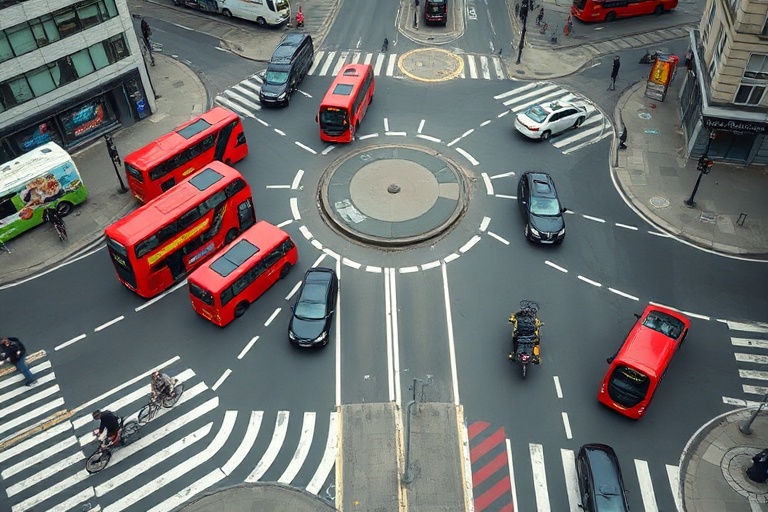
“imageDescription”: “A wide-angle view of a modern government building in London, featuring the Department for Transport logo on a sign in the foreground. The scene includes a mix of cyclists, a double-decker bus, and an electric vehicle charging station, with a clear sky and greenery in the background, conveying progress and government infrastructure.”
}
—END METADATA—
“`