EU Entry/Exit System Delays: What Travelers Need to Know
“`html
EU Entry/Exit System Delays: What Travelers Need to Know
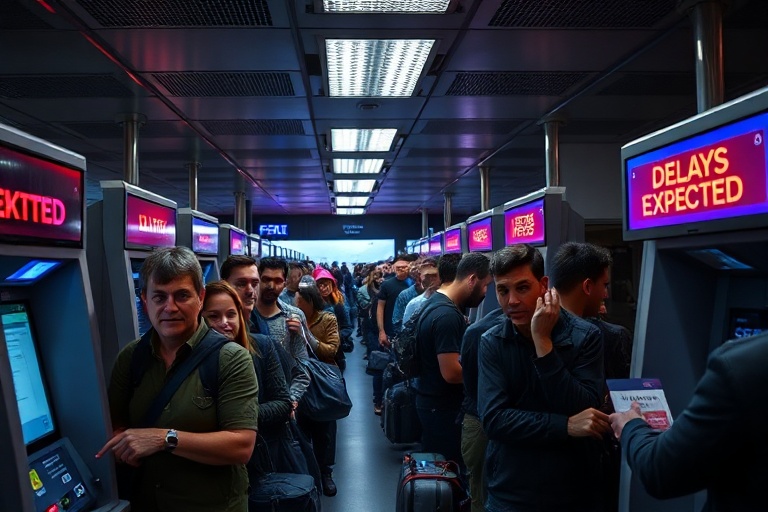
The European Union’s Entry/Exit System (EES), designed to streamline border crossings for non-EU travelers, has encountered significant delays since its initial rollout. Originally slated for 2022, the system’s implementation has been repeatedly postponed, leaving travelers and border authorities in a state of uncertainty. As summer travel season approaches, the consequences of these delays are becoming more apparent, raising concerns about long-term efficiency and security.
EES represents a major shift in how the EU manages external borders. The system replaces manual passport stamps with automated checks, using biometric data such as facial recognition and fingerprints. Proponents argue that EES will reduce queues and enhance security by tracking entries and exits more accurately. However, the delays have left travelers uncertain about what to expect when crossing EU borders in the coming months.
The Origins of the Delays
The delays in EES implementation stem from a combination of technical, logistical, and political challenges. The system’s development began in 2016, with the European Commission setting ambitious deadlines. Yet, by 2023, it became clear that these timelines were overly optimistic. The COVID-19 pandemic disrupted testing phases, while cybersecurity concerns and data privacy issues added further complications.
One of the most significant hurdles has been the integration of EES with existing national border systems. Countries like France, Germany, and Italy have struggled to align their infrastructure with the EU-wide system. In some cases, national databases were incompatible, requiring extensive upgrades. These challenges have delayed testing phases, pushing back the system’s launch multiple times.
Political disagreements have also played a role. Some member states have expressed reservations about sharing biometric data, citing concerns over sovereignty and privacy. While the EU has worked to address these concerns, the negotiations have slowed progress. As a result, travelers are left in limbo, unsure when the system will finally go live.
Impact on Travelers and Border Authorities
The delays have created a ripple effect across the travel industry. Airlines, tour operators, and travelers themselves are grappling with the uncertainty of how EES will function when it is eventually implemented. Many are concerned about longer wait times at borders, despite the system’s intended goal of reducing congestion.
For travelers, the lack of clarity is particularly frustrating. Those planning trips to the EU this summer may face inconsistent border experiences, depending on which country they enter. Some borders may still rely on manual checks, while others attempt to test partial EES functionality. This patchwork approach risks creating confusion and frustration among passengers.
Border authorities, too, are feeling the strain. Customs and immigration officers must adapt to shifting protocols, often with limited training or resources. The delays have forced them to rely on outdated systems, increasing the risk of human error. In a post-pandemic world where travel demand is surging, these challenges could lead to bottlenecks at major airports and land crossings.
To mitigate the impact, the EU has urged member states to prepare for a phased rollout. This approach would allow for gradual implementation, giving authorities time to troubleshoot issues as they arise. However, the success of this strategy remains uncertain, leaving travelers to adapt to an evolving border landscape.
Global Perspectives and Cultural Context
The EU’s EES delays are not isolated incidents. Similar systems, such as the United States’ Electronic System for Travel Authorization (ESTA) and the United Kingdom’s Electronic Travel Authorisation (ETA), have faced their own challenges. These examples highlight the global complexity of implementing large-scale border management systems. Cultural attitudes toward data privacy and security vary widely, influencing how such systems are received.
In the EU, data privacy is a particularly sensitive issue. The General Data Protection Regulation (GDPR) sets strict standards for how personal data is collected and stored. EES must comply with these rules, adding another layer of complexity to its implementation. Some travelers from countries with less stringent privacy laws may find the EU’s approach cumbersome, while others appreciate the emphasis on security.
Culturally, the delays also reflect broader anxieties about technological change. In countries where tourism is a cornerstone of the economy, such as Spain and Italy, there is a delicate balance between embracing innovation and preserving traditional border practices. The delays have given these nations more time to prepare, but they also underscore the tension between progress and tradition.
What Travelers Can Do Now
While the EES delays are frustrating, travelers can take steps to prepare for the eventual rollout. First, stay informed about updates from the European Commission and your destination country. Many nations are providing guidance on their border agency websites, such as France’s border agency and Germany’s Federal Ministry of the Interior.
It’s also wise to allow extra time at borders, especially during peak travel periods. Even if EES is not fully operational, some airports may begin testing components of the system. Arriving early can help avoid missed connections or long waits. Additionally, ensure your passport is machine-readable and valid for at least six months beyond your planned stay.
For frequent travelers, consider enrolling in programs like the EU’s Registered Traveler Programme, which may offer expedited processing once EES is live. While these programs are not yet widely available, they could become more accessible as the system rolls out.
Finally, monitor travel advisories from your home country. Governments often provide real-time updates on border conditions and any temporary measures in place. Being proactive can help you navigate the uncertainties of EES with greater confidence.
The EU Entry/Exit System holds promise for modernizing border management, but its delayed implementation has created challenges for everyone involved. From travelers to border authorities, the uncertainty has underscored the complexities of large-scale technological transitions. As the EU works to resolve these issues, the travel community must remain patient and adaptable. The eventual launch of EES could mark a turning point for border security and efficiency, but until then, preparation and flexibility will be key.