Germany’s World Cup Squad: A Blend of Talent and Tradition
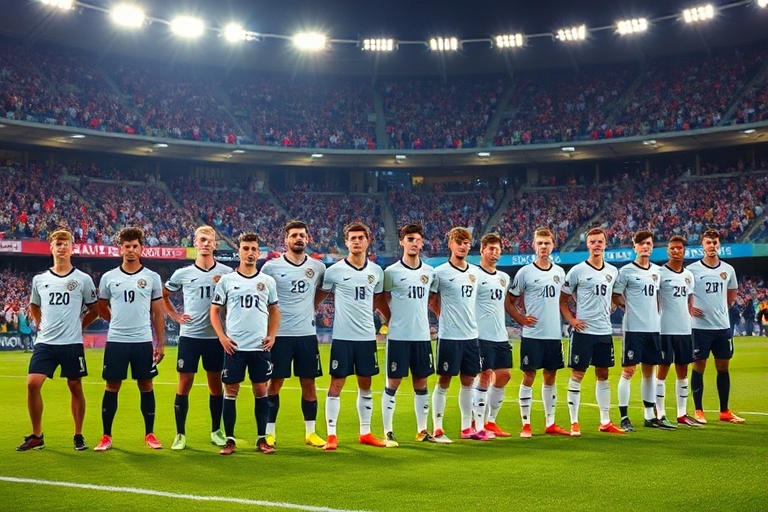
The German national football team has long been a symbol of tactical discipline, technical skill, and unyielding ambition. As the 2026 FIFA World Cup approaches, the composition of Germany’s squad reflects both its storied history and its evolving identity in modern football. With a mix of seasoned veterans and emerging talents, the team stands at a pivotal juncture, balancing the weight of expectations with the promise of renewal.
Germany’s football culture is deeply rooted in structure and innovation. The country’s youth academies, such as those at Bayern Munich and Borussia Dortmund, have become global models for developing young talent. This system ensures a steady pipeline of players who are technically proficient and tactically astute. For the 2026 World Cup, the squad’s selection will likely emphasize versatility, adaptability, and the ability to perform under pressure.
A Tactical Foundation: The Core Principles
German football has always been defined by its tactical flexibility. Whether under the structured approach of Joachim Löw or the more fluid systems of modern managers, the team thrives on collective organization. The squad for the 2026 World Cup will need to adapt to contemporary trends, such as high-pressing systems and positional play, while maintaining the team’s signature resilience.
Key positions to watch include the goalkeeper, where Marc-André ter Stegen and Manuel Neuer continue to set the standard. In defense, the team is likely to rely on a blend of experienced full-backs and young center-backs capable of playing in a back three or four. The midfield, traditionally Germany’s strength, will feature a combination of deep-lying playmakers, box-to-box dynamos, and creative maestros who can dictate the tempo of matches.
The attacking third remains an area of intrigue. With players like Jamal Musiala and Florian Wirtz leading the charge, Germany boasts a crop of forwards who combine pace, technique, and composure. The squad’s ability to transition from defense to attack quickly will be crucial in a tournament where speed often determines success.
The Veterans and the New Guard
Every World Cup squad must strike a balance between experience and youth. For Germany, this dynamic is particularly pronounced. Players like Toni Kroos and Mats Hummels, who have been instrumental in recent tournaments, bring invaluable leadership and tactical awareness. Their presence ensures continuity and stability within the team.
Meanwhile, the new generation is ready to step into the spotlight. Jamal Musiala, at just 21 years old, has already established himself as one of Europe’s most exciting talents. His ability to glide past defenders and deliver decisive moments makes him a cornerstone of Germany’s attacking plans. Joining him are midfielders like Florian Wirtz and Xavi Simons, who offer creativity and flair in abundance.
The squad’s depth will be tested in friendlies and qualifying matches leading up to the World Cup. Injuries and form fluctuations could force manager Julian Nagelsmann to make tough decisions. However, the wealth of talent in the Bundesliga and beyond provides a strong foundation for selection.
Cultural Significance: More Than Just a Team
Germany’s national team is more than a collection of players; it is a reflection of the country’s cultural identity. Football in Germany is deeply intertwined with notions of discipline, teamwork, and innovation. The team’s successes on the global stage have often mirrored Germany’s broader achievements in science, engineering, and industry. This connection adds a layer of significance to every match, especially in a World Cup where national pride is at the forefront.
The team’s fanbase is another defining feature. German supporters are known for their passion and loyalty, often traveling in large numbers to support the team abroad. The atmosphere created by these fans, whether in the stadium or on the streets, is a testament to football’s power to unite people across generations and backgrounds.
For younger fans, the team represents aspiration and possibility. Growing up in a country where football is a way of life, many young Germans dream of pulling on the national jersey. This cultural investment ensures that the team remains a source of inspiration, not just for its results but for the values it embodies.
The Road to the World Cup: Challenges and Opportunities
The path to the 2026 World Cup is fraught with challenges. Germany’s qualifying campaign will test its depth and resilience, particularly in a group that may include traditional rivals like France or Spain. The team’s ability to adapt to different styles of play will be critical, especially in an era where tactical innovation is at the forefront of the sport.
Injuries and suspensions could also disrupt the squad’s cohesion. Managers like Julian Nagelsmann will need to rotate their squads effectively, ensuring that players are at their peak when it matters most. The Bundesliga’s demanding schedule adds another layer of complexity, as clubs prioritize domestic competitions over international duty.
Yet, these challenges also present opportunities. The World Cup is a stage where underdog stories unfold, and Germany has a history of rising to the occasion. The team’s ability to perform in high-pressure situations will be a defining factor in its quest for glory.
Looking Ahead: What to Expect in 2026
As the 2026 World Cup approaches, Germany’s squad will be under intense scrutiny. The blend of experienced campaigners and rising stars offers a promising mix, but the true test lies in execution. The team’s tactical flexibility, mental resilience, and collective spirit will determine its success.
For fans of sports and football enthusiasts worldwide, the anticipation is building. Germany’s journey to the World Cup will be closely watched, not just for its results but for the story it tells about the future of the game. Will the team rediscover its winning ways? Can the new generation live up to the legacy of their predecessors? These questions will shape the narrative in the months leading up to the tournament.
The 2026 World Cup squad is more than a collection of players; it is a symbol of Germany’s footballing philosophy and cultural identity. As the team prepares to take the field, the world will be watching, ready to celebrate the triumphs and learn from the challenges that lie ahead.