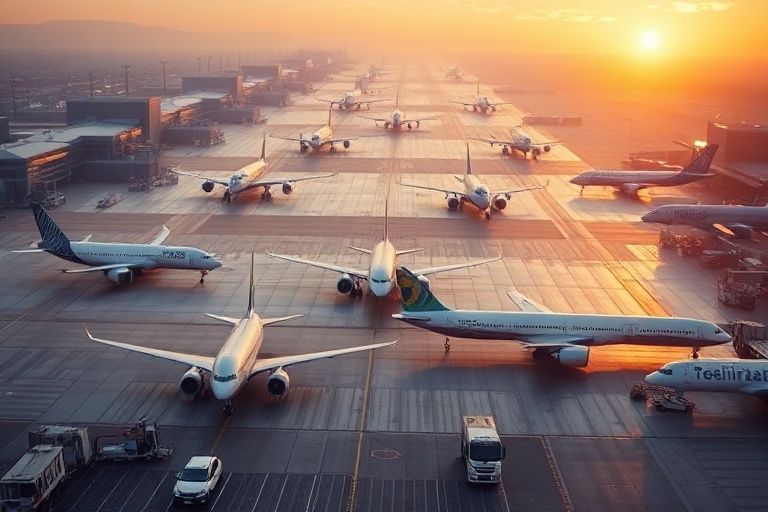
Air travel remains one of the most dynamic sectors in global transportation, balancing economic pressures, technological advancements, and shifting passenger expectations. In 2024, airlines worldwide are navigating a complex environment marked by rising fuel costs, sustainability mandates, and evolving consumer demands. These forces are reshaping everything from route strategies to customer service models.
The recovery from the pandemic has been uneven across regions, with some carriers achieving pre-2019 traffic levels while others continue to face capacity constraints. Meanwhile, geopolitical tensions and fluctuating demand patterns add further layers of complexity. Understanding these trends is essential for travelers, investors, and industry stakeholders alike.
The Economic Landscape: Fuel, Labor, and Profitability
Fuel expenses remain the single largest cost for airlines, accounting for nearly 30% of total operating costs in many cases. After years of volatility, crude oil prices have stabilized somewhat, but the aviation sector remains vulnerable to geopolitical disruptions. Airlines are responding with a mix of hedging strategies and operational efficiencies to mitigate risk.
Labor shortages continue to plague the industry, particularly among pilots and maintenance crews. The post-pandemic pilot shortage has forced carriers to increase wages and offer more competitive benefits to attract talent. Regional airlines, in particular, struggle to compete with major carriers for experienced pilots, leading to route reductions in less profitable markets.
Profitability remains a mixed picture. While global traffic has rebounded to 95% of pre-pandemic levels, profit margins remain thin for many carriers. The International Air Transport Association (IATA) projects a net profit margin of just 1.1% for the industry in 2024, underscoring the razor-thin margins that define modern aviation.
Cost-Cutting Measures in Practice
- Dynamic Pricing: Airlines are leveraging AI to adjust fares in real-time based on demand, competitor pricing, and fuel costs. This approach maximizes revenue but can lead to frustration among travelers when prices spike unexpectedly.
- Ancillary Revenue Streams: Baggage fees, seat selection charges, and in-flight purchases have become critical income sources. Some airlines now generate over 50% of their revenue from non-ticket sources.
- Fleet Optimization: Carriers are retiring older, less fuel-efficient aircraft in favor of newer models like the Airbus A320neo and Boeing 737 MAX. These planes offer significant fuel savings and lower maintenance costs.
Sustainability: The New Frontier of Competition
Sustainability has moved from a PR talking point to a core operational priority for global airlines. The European Union’s Carbon Border Adjustment Mechanism (CBAM) and similar regulations are pushing carriers to reduce emissions or face financial penalties. The industry’s commitment to achieving net-zero carbon emissions by 2050 remains ambitious but fraught with challenges.
Alternative fuels are at the heart of these efforts. Sustainable aviation fuel (SAF) is gaining traction, though its high cost and limited availability remain barriers. In 2023, SAF accounted for just 0.2% of global jet fuel consumption. Airlines are investing in SAF production partnerships, but scaling up production will take years.
Some carriers are exploring more radical solutions. Airbus has committed to developing hydrogen-powered aircraft by 2035, while others are testing electric planes for short-haul routes. However, these technologies are still in their infancy and won’t be commercially viable for decades.
Regional Approaches to Sustainability
- Europe: The EU is leading the charge with mandates requiring airlines to use 6% SAF by 2030. Carriers like Lufthansa and Air France are investing heavily in SAF production facilities.
- North America: U.S. carriers are focusing on SAF incentives and tax credits, such as the Inflation Reduction Act’s 45Z tax credit for SAF producers. Delta Air Lines has pledged to replace 10% of its jet fuel with SAF by 2030.
- Asia-Pacific: While lagging in SAF adoption, airlines like Singapore Airlines are trialing SAF on select routes. The region’s rapid growth in air travel makes sustainability a critical long-term challenge.
Passenger Experience: The Battle for Loyalty
In an era where airlines are fiercely competing for the same pool of frequent flyers, passenger experience has become a key differentiator. The rise of ultra-low-cost carriers (ULCCs) has forced legacy airlines to rethink their pricing and service models. Meanwhile, premium economy and business class offerings are evolving to meet the demands of high-spending travelers.
Technology plays a central role in enhancing the customer experience. Biometric boarding, AI-powered chatbots, and personalized travel apps are becoming standard across many airlines. Carriers like Emirates and Qatar Airways are investing in luxury lounges and in-flight connectivity to attract high-end passengers.
However, the digital divide remains a challenge. While premium carriers offer seamless tech integrations, many regional airlines struggle with outdated systems and limited budgets. This disparity is creating a two-tiered experience for travelers, depending on their airline of choice.
Innovations Redefining the Passenger Journey
- Biometric Travel: Airlines like Delta and JetBlue are testing facial recognition technology to streamline check-in, security, and boarding processes. This reduces wait times and enhances security.
- Personalized Offers: AI algorithms analyze passenger data to tailor promotions, seat upgrades, and dining options. This not only boosts ancillary revenue but also improves customer satisfaction.
- Sustainable Amenities: Some airlines are replacing single-use plastics with compostable materials and offering carbon offset programs during booking. These initiatives appeal to environmentally conscious travelers.
The Future: Consolidation, Competition, and Uncertainty
Industry consolidation is accelerating as airlines seek economies of scale to weather economic headwinds. Mega-mergers, like the proposed combination of TAP Air Portugal and Azul Linhas Aéreas, could reshape regional markets. However, regulatory scrutiny often delays or blocks such deals, leaving airlines to pursue organic growth strategies instead.
Competition is intensifying not just among airlines but also from non-traditional players. High-speed rail networks in Europe and Asia are capturing market share on short-haul routes, while private aviation and fractional ownership services cater to ultra-high-net-worth individuals. These alternatives are forcing airlines to rethink their core business models.
The rise of China’s aviation market presents another wildcard. Chinese carriers are rapidly expanding their global footprint, challenging established players like Lufthansa and Air France-KLM. Meanwhile, U.S. carriers are ramping up their presence in Asia, setting the stage for a new era of transpacific competition.
Looking ahead, the next decade will likely see airlines focusing on three priorities: sustainability, digital transformation, and customer-centric innovation. Those that can balance these priorities while maintaining financial resilience will emerge as leaders in the global aviation landscape.
Key Trends to Watch
- Mergers and Acquisitions: Expect further consolidation, particularly in Europe and Latin America, as airlines seek to strengthen their market positions.
- Regionalization: Smaller carriers may form alliances or joint ventures to compete with larger players, particularly in Africa and Southeast Asia.
- Disruption from Tech: Startups and tech giants are exploring ways to enter the aviation market, whether through flight-sharing platforms or AI-driven travel planning tools.
For travelers, the future of global airlines promises both challenges and opportunities. While rising costs and sustainability concerns may lead to higher fares, innovations in technology and service could redefine the flying experience. The industry’s ability to adapt will determine whether air travel remains accessible, efficient, and enjoyable for generations to come.
As we move further into the 2020s, the global airline industry stands at a crossroads. The choices made today will shape the future of air travel for decades. Whether through technological breakthroughs, sustainable practices, or customer-centric innovations, the path forward will require bold decisions and relentless adaptation.
For more insights into the aviation industry, visit our Travel section or explore our Business coverage for deeper analysis.