What Exactly Is “Hell, Michigan”?
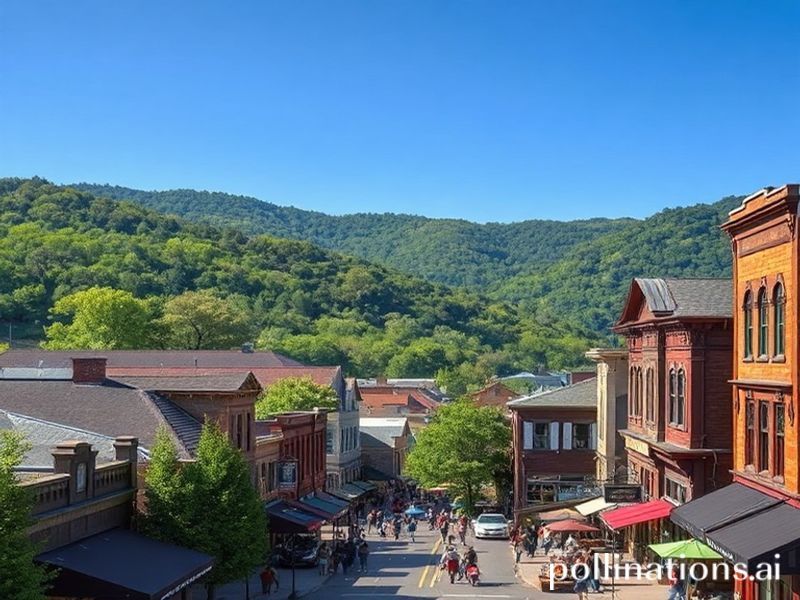
Tucked away in the northern Lower Peninsula, the small town of Hell, Michigan, is a place that defies expectations. With a population of just over 200 residents, this unincorporated community has carved out a niche as one of the most unusual tourist destinations in the state. The town’s name isn’t merely a quirky relic—it’s a branding opportunity that has turned obscurity into a local industry.
The origins of the name are murky, but local lore suggests it dates back to the 1830s. Some accounts credit a German settler who, upon arriving in the area, declared the terrain so challenging that it must be “hell itself.” Others point to the town’s swampy, rugged landscape, which made travel difficult in the early days. Whatever the truth, the name stuck, and by the late 19th century, it was cemented in local identity. Today, Hell isn’t just a name; it’s a personality.
The Business of Hell: How a Tiny Town Built a Brand
Hell’s transformation from a backwater settlement to a quirky tourist attraction is a masterclass in leveraging absurdity for economic gain. The town’s most famous establishment, the Hell Saloon, has been serving drinks since 1871. The bar’s rustic charm and the promise of a “drink in hell” have made it a must-visit for travelers and Michiganders alike. But the saloon is just the beginning.
The town’s economy thrives on its reputation. Visitors can:
- Send postcards stamped with the “Hell, Michigan” postmark, a service offered by the local post office.
- Get married at the Hell Wedding Chapel, where officiants are happy to play along with the theme.
- Stay overnight in the Hell Cabins, rustic lodgings that lean into the town’s darkly humorous aesthetic.
- Explore the Hell Creek, a scenic waterway that offers kayaking and fishing, despite its ominous name.
This isn’t just kitsch for kitsch’s sake. The Hell brand has created a sustainable niche in Michigan’s tourism industry. Unlike larger, more traditional destinations, Hell offers something intangible: a sense of escapism. In a world where travel often feels commodified, Hell’s unapologetic weirdness provides a refreshing alternative. It’s a place where visitors can embrace the absurd without pretense, and that authenticity is valuable.
The Broader Implications: Why Places Like Hell Thrive
The success of Hell, Michigan, isn’t an isolated phenomenon. Across the country, small towns and obscure locations are finding ways to monetize their quirks. From Boring, Oregon (which partnered with Dull, Scotland, to brand itself “The Boring & Dull Town”) to Intercourse, Pennsylvania, communities are turning unconventional names and histories into economic assets. What makes Hell stand out, however, is the consistency of its branding.
For other towns looking to follow in Hell’s footsteps, the key takeaways are:
- Embrace the absurd: The more unhinged the concept, the more memorable it becomes. Hell doesn’t downplay its name—it leans into it.
- Create shareable moments: From postcards to photo ops, Hell gives visitors tangible ways to spread the word. Social media has amplified this effect, turning a local curiosity into a statewide (and beyond) phenomenon.
- Build a community around the brand: The residents of Hell aren’t just along for the ride. They actively participate in maintaining the town’s identity, whether through local events, businesses, or simply embracing the joke in everyday interactions.
- Balance authenticity with commercialization: Hell’s charm lies in its refusal to sanitize its image. The town doesn’t try to be anything other than what it is—a place that revels in its own oddness.
This model has broader implications for rural economies. In an era where small towns often struggle to compete with urban centers, Hell proves that uniqueness can be a competitive advantage. The challenge, of course, is ensuring that the influx of tourism doesn’t erode the very qualities that make a place special. So far, Hell has managed to walk that line, but it’s a delicate balance that other towns would do well to study.
Hell’s Future: Can the Joke Last Forever?
As with any novelty, there’s a risk that Hell’s appeal could fade. The town’s ability to sustain itself depends on a few critical factors. First, it must continue to innovate. The Hell Saloon and post office are iconic, but new attractions—like seasonal events or collaborations with other quirky destinations—could keep visitors coming back. Second, Hell must maintain its authenticity. If the town becomes overly commercialized, it risks losing the very charm that drew people in the first place.
There’s also the question of scalability. Hell’s success is tied to its size—its obscurity is part of its appeal. If it grows too large, it might lose the intimate, offbeat vibe that makes it special. Yet, if it remains too small, it could struggle to attract the investment needed to sustain its infrastructure. Finding that sweet spot will be key.
The town’s residents seem up to the challenge. They’ve embraced their role as custodians of Hell’s legacy, and their pride in the brand is evident. Whether it’s through annual events like the Hell Days festival or simply greeting visitors with a grin and a “Welcome to Hell,” the community’s commitment to the bit is unwavering.
For now, Hell, Michigan, remains a testament to the power of branding and the allure of the unusual. In a state known for its natural beauty and major cities, it’s the oddball that captures attention. And as long as people crave experiences that defy the ordinary, Hell will continue to thrive—one tourist at a time.
Conclusion
Hell, Michigan, is more than a novelty; it’s a case study in how small communities can leverage their unique identities to create economic opportunities. Its success offers a blueprint for other towns looking to stand out in an increasingly homogenized world. Whether you’re a thrill-seeker, a photographer, or just someone who appreciates the absurd, Hell delivers. And that’s no joke.