The relationship between Iran and the United States remains one of the most complex and volatile geopolitical dynamics in the world. Recent months have seen renewed diplomatic efforts, escalating tensions, and strategic maneuvers that could redefine the future of the Middle East. From nuclear negotiations to regional proxy conflicts, the interplay between these two nations continues to shape global security and economic policies.
Recent Diplomatic Efforts and Nuclear Negotiations
Diplomatic channels between Iran and the US have experienced intermittent engagement, with both sides navigating a delicate balance of pressure and compromise. In April 2024, indirect talks mediated by Oman and Qatar aimed to revive the Joint Comprehensive Plan of Action (JCPOA), the 2015 nuclear agreement that the US withdrew from in 2018 under the Trump administration. While these discussions have shown cautious optimism, significant obstacles remain.
The primary sticking points include Iran’s demand for sanctions relief and the US insistence on stricter oversight of Iran’s nuclear program. According to a report by the International Atomic Energy Agency (IAEA), Iran’s uranium enrichment levels have reached 60%, a significant jump from the 3.67% limit set by the JCPOA. This development has raised concerns about the potential for nuclear proliferation in the region.
Meanwhile, the Biden administration has faced criticism from both domestic and international stakeholders. Republicans in Congress argue that lifting sanctions without substantial concessions from Iran would embolden its regional ambitions. On the other hand, European allies have urged the US to re-engage with Iran to prevent further destabilization in the Middle East.
The Proxy Wars and Regional Influence
Beyond nuclear negotiations, the Iran-US rivalry plays out through a network of proxy conflicts across the Middle East. Iran’s support for groups like Hezbollah in Lebanon and the Houthis in Yemen has long been a point of contention for the US and its allies. In recent months, these tensions have flared up in several key areas.
- Yemen: The Houthi rebels, backed by Iran, have intensified attacks on commercial shipping in the Red Sea, disrupting global trade routes. The US has responded with a naval task force to protect shipping lanes, but the conflict shows no signs of abating.
- Syria: Iran’s military presence in Syria, particularly through the Islamic Revolutionary Guard Corps (IRGC), has drawn criticism from Israel and the US. Recent airstrikes by Israel on Iranian-backed militias in Syria highlight the ongoing shadow war between the two nations.
- Iraq: Iranian-backed militias in Iraq have targeted US military bases, prompting retaliatory strikes by the US. The situation has complicated Iraq’s fragile political landscape and raised concerns about further escalation.
These proxy conflicts underscore the broader struggle for influence in the Middle East. Iran’s strategy of supporting non-state actors allows it to project power without direct confrontation, while the US maintains a military presence in the region to counterbalance Iranian influence.
Economic Sanctions and Their Impact
The US has imposed a series of economic sanctions on Iran, targeting its oil exports, banking sector, and military capabilities. These sanctions have had a profound impact on Iran’s economy, contributing to inflation, unemployment, and widespread public discontent. According to the World Bank, Iran’s GDP contracted by 6% in 2020, and the country continues to struggle with high inflation rates.
Despite the economic strain, Iran has found ways to circumvent some sanctions through trade with neighboring countries like Iraq, Turkey, and the United Arab Emirates. However, the US has intensified its enforcement efforts, including secondary sanctions on entities that continue to trade with Iran. This has led to a cat-and-mouse game, with Iran adapting its strategies to evade the sanctions regime.
For businesses and investors, the sanctions landscape remains a significant challenge. Companies operating in the region must navigate a complex web of regulations and compliance requirements to avoid penalties. The uncertainty surrounding US-Iran relations has also deterred foreign investment in Iran, further isolating its economy.
The Humanitarian Crisis and Public Sentiment
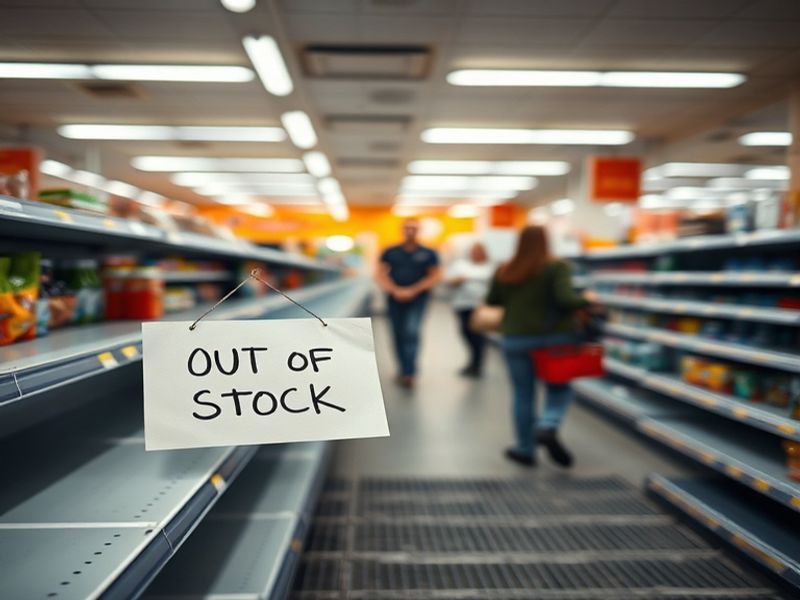
While geopolitical tensions dominate headlines, the humanitarian impact of US-Iran relations cannot be overlooked. The economic crisis in Iran has led to shortages of essential goods, including medicine and food, exacerbating public suffering. International aid organizations have reported difficulties in delivering humanitarian assistance due to sanctions and banking restrictions.
In the US, the debate over sanctions and their humanitarian consequences has gained traction. Critics argue that broad-based sanctions harm ordinary Iranians more than the government, while proponents contend that targeted sanctions are necessary to pressure the regime. The Biden administration has taken steps to ease some sanctions, allowing for increased humanitarian trade, but the overall impact remains limited.
Public sentiment in Iran reflects the frustration and desperation of its people. Protests and strikes have erupted in response to economic hardship, with demonstrators often blaming both the Iranian government and US policies for their plight. The government’s crackdown on dissent has further stifled political freedoms, creating a climate of fear and repression.
For a deeper understanding of how sanctions impact everyday life in Iran, explore our Analysis section, where experts dissect the consequences of geopolitical decisions on global communities.
Future Outlook and Potential Scenarios
The future of Iran-US relations remains uncertain, with multiple potential outcomes. One possibility is a revival of the JCPOA, which could ease tensions and pave the way for broader diplomatic engagement. However, this scenario faces significant hurdles, including domestic opposition in both countries and regional skepticism.
Another potential outcome is continued escalation, with both sides doubling down on their strategies. Iran may further expand its nuclear program, while the US could increase its military presence in the region or impose additional sanctions. This path risks further destabilization and could lead to a direct confrontation.
A third scenario involves a gradual de-escalation, where both sides take incremental steps to reduce tensions. This could include limited sanctions relief in exchange for Iranian restraint in regional conflicts. Such an approach would require careful negotiation and mutual trust, qualities that have been in short supply in recent years.
Regardless of the path forward, the stakes are high. The Middle East remains a powder keg of competing interests, and the actions of Iran and the US will continue to shape the region’s future. Diplomacy, dialogue, and a commitment to de-escalation will be critical in avoiding a catastrophic conflict.
The interplay between Iran and the US is a reminder of the fragile nature of international relations. In a world where missteps can have far-reaching consequences, the need for thoughtful diplomacy has never been greater. As both nations navigate their complex relationship, the global community must remain vigilant and engaged in promoting peace and stability.