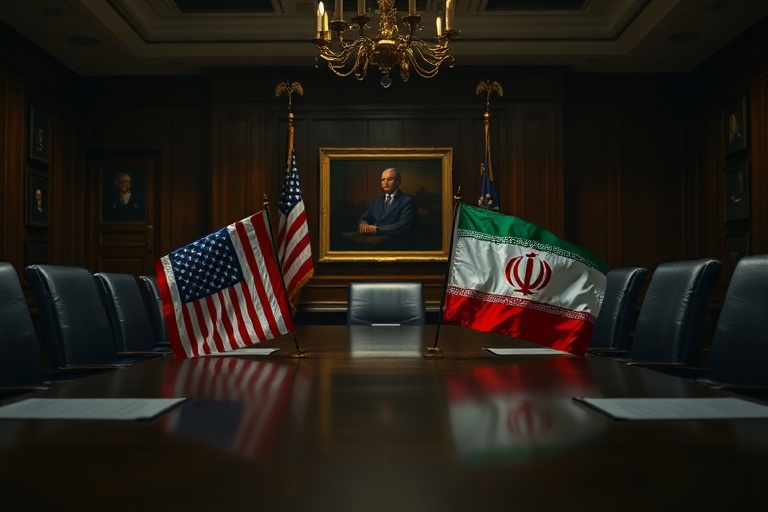
Iran-US Relations Today: Tensions, Talks, and Global Impact
“`html
Iran-US Relations: Tensions, Talks, and the Road Ahead
The relationship between Iran and the United States has long been one of the most volatile on the global stage. Recent developments have only intensified the complexities of this dynamic, with implications stretching beyond the Middle East. From nuclear negotiations to regional proxy conflicts, the stakes remain high for both nations and the international community.
The Current State of Diplomatic Relations
Diplomatic ties between Iran and the US have been severed since 1980, following the Iranian Revolution and the subsequent hostage crisis. Since then, the two nations have engaged in indirect negotiations, proxy wars, and economic sanctions that have shaped the geopolitical landscape of the region. In 2023, indirect talks aimed at reviving the 2015 nuclear deal, formally known as the Joint Comprehensive Plan of Action (JCPOA), stalled once again. The US withdrew from the agreement in 2018 under the Trump administration, citing concerns over Iran’s ballistic missile program and regional activities.
Despite these setbacks, there have been sporadic moments of progress. In 2021, indirect talks in Vienna showed promise, but obstacles such as Iran’s demand for sanctions relief and the US’s insistence on compliance with nuclear inspections have proven difficult to reconcile. The election of Ebrahim Raisi as Iran’s president in 2021 further complicated negotiations, as his administration adopted a more hardline stance.
Key Points in Recent Iran-US Relations
- Nuclear Deal Negotiations: The JCPOA remains a focal point, with both sides expressing willingness to return to the agreement but failing to bridge the gap in demands.
- Regional Proxy Conflicts: Iran’s support for groups like Hezbollah and its involvement in Syria and Yemen continue to strain relations with the US and its allies, particularly Israel.
- Economic Sanctions: The US has imposed extensive sanctions on Iran, targeting its oil exports, financial institutions, and military sectors, while Iran has retaliated with its own economic measures.
- Military Escalations: Incidents such as the 2020 US drone strike that killed Iranian General Qasem Soleimani and the 2022 missile attacks on US bases in Iraq highlight the persistent risk of direct confrontation.
For more analysis on regional conflicts and their global implications, visit Dave’s Locker Analysis.
The Broader Implications for the Middle East
The Iran-US standoff has far-reaching consequences for the Middle East, where both nations wield significant influence. Iran’s nuclear ambitions and its support for militant groups have heightened tensions with Gulf states like Saudi Arabia and the United Arab Emirates, which view Tehran as a regional adversary. The US, meanwhile, has strengthened its alliances with these countries, providing military support and security guarantees.
One of the most pressing concerns is the potential for a nuclear arms race in the region. If Iran were to develop nuclear weapons, it could prompt Saudi Arabia and other states to pursue their own nuclear programs, destabilizing the already fragile security architecture of the Middle East. The US has repeatedly stated that it will not allow Iran to acquire nuclear weapons, though its strategy for achieving this goal remains unclear.
Beyond nuclear issues, the rivalry between Iran and the US plays out in proxy conflicts across the region. In Syria, Iran has backed the Assad regime, while the US has supported Kurdish forces fighting ISIS. In Yemen, Iran supports the Houthi rebels, while the US backs the Saudi-led coalition. These conflicts have resulted in devastating humanitarian crises and further entrenched the geopolitical divide.
Economic and Humanitarian Consequences
The economic fallout from US sanctions has had a severe impact on the Iranian people. Inflation, unemployment, and currency devaluation have pushed millions into poverty, while essential goods like medicine and food have become scarce due to restrictions on imports. The humanitarian crisis has been exacerbated by the COVID-19 pandemic, which has overwhelmed Iran’s healthcare system.
For the US, sanctions have also had unintended consequences. While they have targeted the Iranian government, ordinary citizens have borne the brunt of the economic hardship. Additionally, sanctions have pushed Iran closer to other global players like China and Russia, which have stepped in to fill the economic void left by Western isolation.
The humanitarian situation in Iran has raised ethical questions about the effectiveness of sanctions as a tool of foreign policy. Critics argue that punitive measures often harm civilians more than their intended targets, while proponents contend that sanctions are necessary to pressure authoritarian regimes. The debate over sanctions continues to shape discussions on Iran-US relations and the broader use of economic leverage in international diplomacy.
What Lies Ahead for Iran-US Relations?
The future of Iran-US relations remains uncertain, with multiple scenarios possible. One possibility is a return to the JCPOA, though this would require significant concessions from both sides. Another scenario involves continued stalemate, with sporadic diplomatic efforts failing to produce meaningful progress. A third possibility is further escalation, particularly if either side takes actions that provoke a military response.
Regional actors will also play a crucial role in shaping the trajectory of Iran-US relations. Countries like Iraq and Oman have acted as mediators in the past, while Gulf states may push for a more assertive US stance against Iran. Meanwhile, Iran’s growing ties with China and Russia could provide it with alternative economic and political partners, reducing its reliance on negotiations with the West.
For deeper insights into the geopolitical dynamics of the Middle East, explore Dave’s Locker Politics.
Potential Outcomes in Iran-US Relations
- Revival of the JCPOA: A renewed nuclear deal could ease tensions, but only if both sides are willing to compromise on key issues like sanctions relief and nuclear inspections.
- Continued Stalemate: Without a breakthrough, the status quo may persist, with periodic diplomatic efforts failing to produce lasting change.
- Military Escalation: A miscalculation or intentional provocation could lead to direct conflict, with devastating consequences for the region and beyond.
- Alternative Alliances: Iran may deepen its partnerships with China, Russia, and other non-Western powers, further isolating itself from the US and its allies.
The path forward for Iran and the US will depend on a combination of diplomatic skill, political will, and external pressures. While the road ahead is fraught with challenges, the stakes are too high to ignore. The international community must remain engaged in finding a solution that prevents further conflict and addresses the humanitarian needs of the Iranian people.
Ultimately, the Iran-US relationship is a reminder of how historical grievances and geopolitical ambitions can shape the present. As both nations navigate this complex landscape, the choices they make today will reverberate for generations to come.