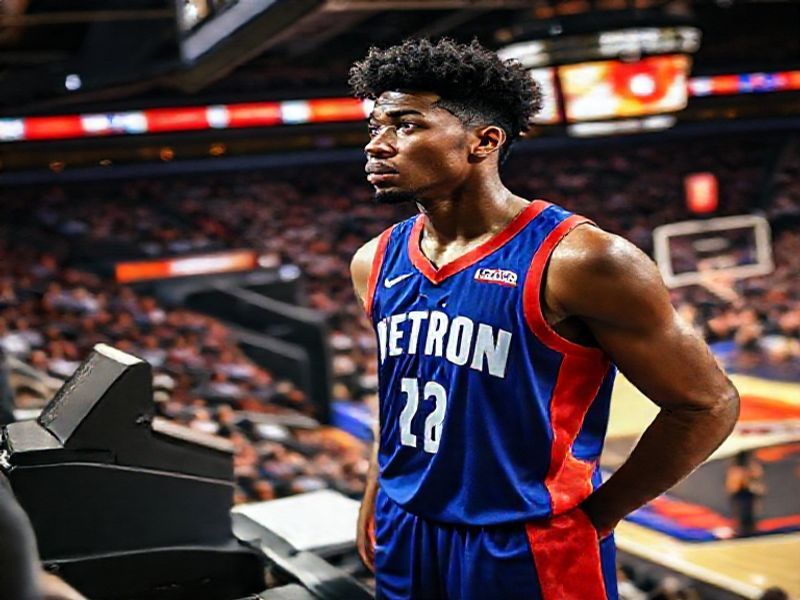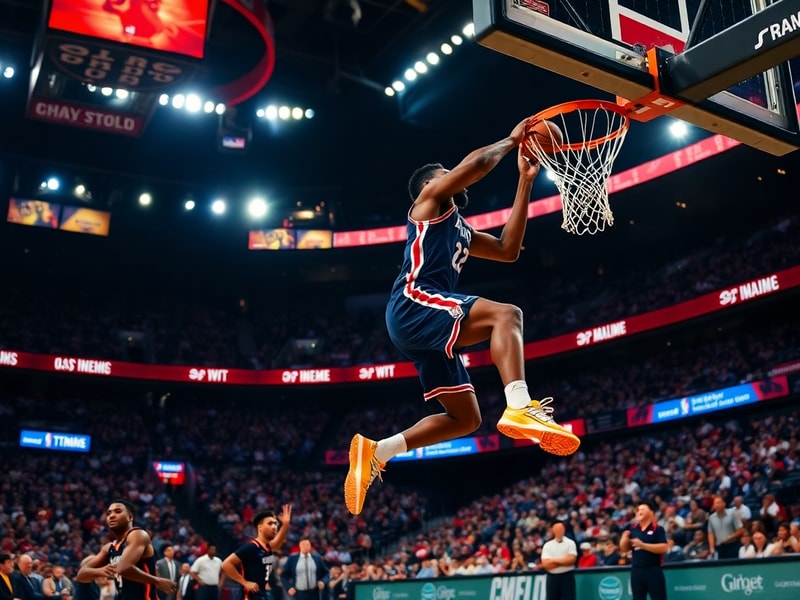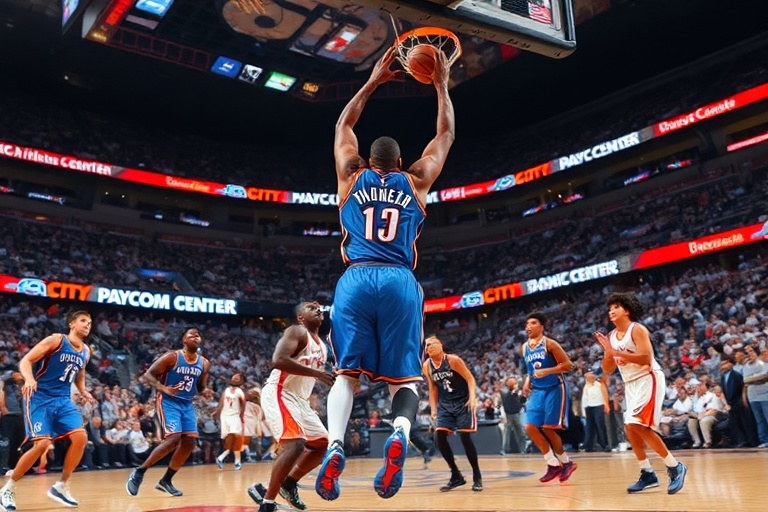
The Oklahoma City Thunder’s recent playoff push has reignited conversations about their strategic evolution. This season, the team’s performance has exceeded expectations, prompting analysts to dissect the factors behind their resurgence. The “OKC game” isn’t just about wins and losses; it reflects broader trends in how modern NBA teams prioritize player development, tactical flexibility, and roster construction.
At the core of this transformation is a deliberate focus on young talent. The Thunder have leveraged their draft capital to build a core of versatile players who complement each other’s strengths. This approach contrasts with the league’s traditional win-now mentality, where teams often sacrifice long-term potential for short-term success. OKC’s philosophy suggests a calculated gamble—one that could redefine how franchises balance immediate competitiveness with sustainable growth.
The Evolution of the OKC Game
When the Thunder relocated from Seattle in 2008, they inherited a franchise with high hopes but limited playoff success. For years, the team oscillated between contending and rebuilding, struggling to find consistency. However, a turning point came with the arrival of Shai Gilgeous-Alexander, whose emergence as a franchise cornerstone coincided with a strategic overhaul.
The OKC game today prioritizes three key elements:
- Positionless basketball: The Thunder deploy lineups that defy traditional positional roles, allowing players like Gilgeous-Alexander and Chet Holmgren to operate as multi-functional threats.
- Defensive versatility: OKC ranks among the league’s top defensive teams, thanks to a system that emphasizes communication, rotations, and relentless effort.
- Youth development: The franchise’s investment in drafting and nurturing young talent—such as Jalen Williams and Cason Wallace—has created a pipeline of high-IQ players.
This evolution reflects a broader shift in the NBA, where analytics and player empowerment have diminished the value of rigid, system-dependent basketball. OKC’s success demonstrates how adaptability can outweigh star power in an era defined by parity.
Why the OKC Game Matters Beyond Oklahoma City
The Thunder’s approach offers a blueprint for franchises navigating the modern NBA. In a league where superteams and financial constraints often dictate roster construction, OKC’s model is a case study in patience and precision. Their ability to compete without relying on marquee free agents challenges the notion that championships require superstar accumulation.
Consider the following implications:
- Drafting as a strategy: OKC’s reliance on the draft underscores the importance of scouting and player development. Teams that prioritize asset accumulation—whether through draft picks or international signings—can build sustainable contenders.
- The value of flexibility: The Thunder’s willingness to trade established players (e.g., Paul George, Russell Westbrook) for future assets highlights the risks and rewards of prioritizing long-term assets over short-term wins.
- Culture over contracts: OKC’s locker room culture, built on accountability and selflessness, contrasts with the transactional nature of many NBA environments. This intangible factor often separates good teams from great ones.
For smaller-market teams, OKC’s success is particularly instructive. It proves that financial constraints don’t preclude competitiveness, provided a franchise commits to a clear vision and executes it without deviation. This lesson extends beyond basketball, offering insights into how organizations in any competitive landscape can thrive through disciplined strategy.
Comparing OKC to Other NBA Models
To contextualize OKC’s approach, it’s worth comparing it to other teams that have bucked conventional wisdom. The San Antonio Spurs, for instance, built a dynasty on drafting late and developing talent through a rigid system. OKC’s model is less about systemization and more about adaptability, reflecting the league’s shift toward positionless basketball.
The Memphis Grizzlies, another young team, have followed a similar trajectory, emphasizing defense and player development. However, OKC’s roster is arguably deeper, with more players capable of filling multiple roles. This depth allows the Thunder to withstand injuries and maintain performance levels throughout the season.
Contrast this with teams like the Los Angeles Lakers or Brooklyn Nets, who have assembled star-studded rosters but struggled with chemistry and cohesion. OKC’s success underscores a fundamental truth: talent alone doesn’t guarantee success. Execution, culture, and adaptability are equally critical.
What’s Next for the OKC Game?
The Thunder’s future hinges on several variables. Gilgeous-Alexander’s upcoming contract extension will test OKC’s commitment to its core principles. If the team retains its young stars, it could transition from a rising contender to a perennial championship threat. Conversely, overpaying for veteran help could derail the franchise’s long-term trajectory.
The 2024 playoffs will provide a critical barometer. OKC’s performance against elite teams will reveal whether their regular-season success translates to postseason relevance. If they advance deep into the playoffs, the NBA will take notice, and the “OKC game” could become a model for other franchises to emulate.
For now, the Thunder’s journey offers a compelling narrative about the evolving nature of NBA success. It’s a reminder that in a league obsessed with the present, patience and vision can yield dividends that last far beyond a single season.
For more on the Thunder’s rise and the broader NBA landscape, explore our Sports and Analysis sections.