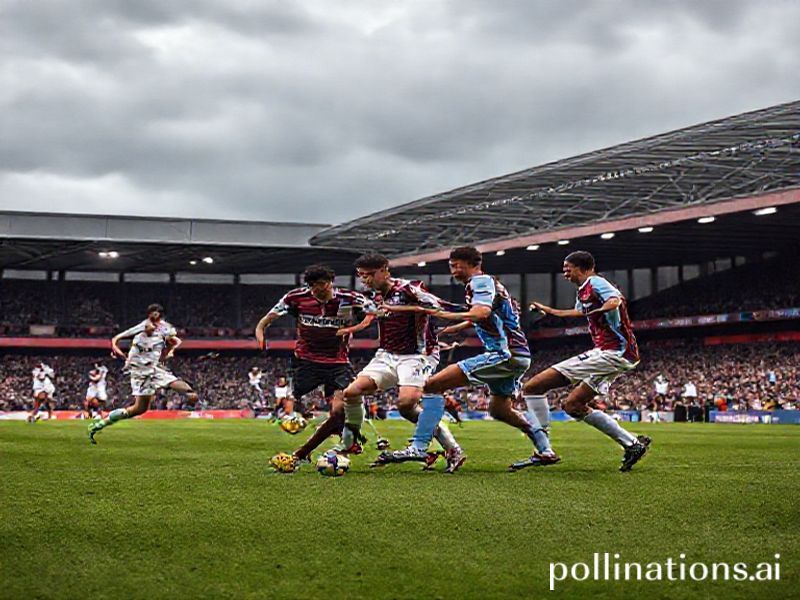
The Scottish Football Association (Scottish FA) stands as the governing body shaping the trajectory of football across Scotland. From grassroots development to elite competition, its influence extends from local pitches to Hampden Park’s hallowed turf. With a history spanning over 150 years, the organization plays a pivotal role in both preserving tradition and driving innovation in the sport.
The Role and Structure of the Scottish FA
Established in 1873, the Scottish FA is one of the oldest football associations in the world. Based in Hampden Park, Glasgow, it oversees the administration of football at all levels in Scotland. This includes managing the Scotland national team, organizing domestic competitions such as the Scottish Cup and the Scottish Professional Football League (SPFL), and fostering youth and amateur football development.
The Scottish FA operates under a clear hierarchical structure. The president, currently elected by member clubs, serves as the figurehead, while a board of directors oversees strategic decisions. Operational leadership is provided by the chief executive, supported by departments focused on competitions, refereeing, marketing, and community engagement. This structure ensures that football’s governing body remains responsive to both professional and amateur sectors.
Key Responsibilities
- National Team Management: Selecting and managing the Scotland men’s and women’s national teams across international competitions.
- Domestic Competitions: Overseeing the Scottish Cup, League Cup, and youth tournaments such as the Scottish Youth Cup.
- Referee Development: Training and certifying referees to maintain standards across all levels of play.
- Grassroots Investment: Funding and supporting local clubs, schools, and academies to grow participation.
- Anti-Doping and Safeguarding: Enforcing integrity policies and protecting participants from abuse or misconduct.
Challenges Facing Modern Football Governance
The Scottish FA faces a complex set of challenges as it balances tradition with modern expectations. Financial sustainability remains a pressing concern, especially for smaller clubs that rely heavily on prize money and sponsorship. The gap between elite and amateur football continues to widen, raising questions about equitable resource distribution.
Another critical issue is the decline in domestic attendances and TV viewership for lower-tier competitions. While the Scottish Premiership commands attention, clubs in Leagues One and Two struggle to attract consistent support. This disparity threatens the long-term health of Scottish football, particularly in rural and economically disadvantaged areas.
Off the pitch, governance reform has been a recurring debate. Calls for greater transparency, diversity in leadership, and stronger financial regulations have intensified. The Scottish FA has responded with initiatives like the Football for All strategy, which aims to increase inclusion and accessibility. Yet, critics argue more must be done to modernize decision-making and reduce the influence of historical power structures.
Innovation and the Path Forward
Despite challenges, the Scottish FA has made strides in innovation. Digital transformation has become a priority, with enhanced online platforms for ticketing, streaming, and fan engagement. The launch of the Scottish FA’s digital academy, offering online coaching resources, reflects a commitment to modernizing development pathways.
Sustainability has also risen on the agenda. The organization has partnered with environmental groups to promote eco-friendly stadiums and reduce carbon footprints. Initiatives such as the Green Football Weekend encourage clubs to adopt greener practices, aligning football with broader societal values.
Women’s football represents another area of growth. Participation has surged, fueled by the success of the Scotland women’s national team in major tournaments. The Scottish FA has responded by investing in girls’ academies and professionalizing the Scottish Women’s Premier League. This shift not only supports athletes but also challenges long-standing gender imbalances in the sport.
Strategic Priorities for the Future
- Enhancing Competitive Balance: Redistributing revenue and supporting mid-tier clubs to strengthen the entire football pyramid.
- Expanding Youth Pathways: Building more elite academies and improving scouting networks to identify talent early.
- Strengthening Digital Engagement: Using data analytics and social media to deepen fan connections and attract younger audiences.
- Promoting Social Impact: Using football as a tool for community development, health, and education.
Broader Implications for Scottish Sport and Society
The Scottish FA’s work extends beyond football. As one of Scotland’s most visible sporting institutions, it plays a role in national identity and social cohesion. Football matches often serve as communal events, uniting diverse communities around shared pride. The success of the national teams can boost morale and even influence tourism, as seen during major tournaments.
Economically, football contributes significantly to Scotland’s sports sector, generating jobs, sponsorships, and media revenue. The Scottish FA’s ability to sustain and grow this sector impacts not only clubs but also related industries such as hospitality, retail, and broadcasting. A thriving football ecosystem can act as an economic multiplier across urban and rural regions.
On a cultural level, football reflects and shapes societal values. The Scottish FA’s commitment to inclusion and anti-discrimination sends a powerful message about equality. By supporting refugee football programs and disability leagues, it reinforces football’s role as a force for social good.
However, challenges remain in balancing commercial interests with community values. The increasing influence of private ownership in top clubs, for instance, raises concerns about fan representation and long-term club identity. The Scottish FA must navigate these tensions carefully to preserve football’s cultural significance.
Conclusion
The Scottish Football Association remains a cornerstone of Scottish sport and culture. Its dual mandate—to honor tradition while embracing progress—demands constant adaptation. From managing elite competitions to nurturing grassroots talent, its work touches every corner of the country.
As it looks ahead, the Scottish FA faces both opportunity and obligation. By addressing financial disparities, modernizing governance, and championing inclusion, it can ensure football’s future in Scotland is as vibrant as its past. For fans, clubs, and communities alike, the association’s decisions will shape not just the sport, but the very fabric of Scottish life.
Football in Scotland has always been more than a game. It is a story of resilience, pride, and collective aspiration. The Scottish FA, as its guardian, holds the pen.
To explore more about football governance and its cultural impact, visit our Sports and Analysis sections.