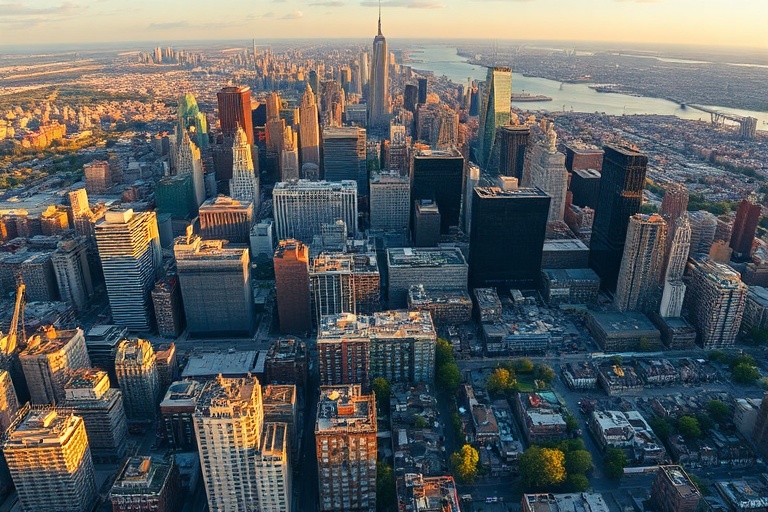
New York City’s identity extends far beyond its iconic skyline and towering skyscrapers. The five boroughs—Manhattan, Brooklyn, Queens, the Bronx, and Staten Island—each offer distinct cultures, histories, and communities that shape the city’s dynamic character. While Manhattan often steals the spotlight, the other four boroughs are where much of the city’s daily life unfolds, from the vibrant arts scene in Brooklyn to the green expanses of the Bronx.
These boroughs are more than just administrative divisions; they are microcosms of New York’s diversity, ambition, and resilience. Each has its own flavor, from the bohemian enclaves of Queens to the working-class roots of Staten Island. Understanding the boroughs is essential to grasping what makes New York City truly unique.
The Cultural Melting Pots of Queens and Brooklyn
Queens, the largest borough by area, is often described as the most diverse urban area in the world. Home to over 2.4 million people, it boasts nearly 50% of its residents being foreign-born. Neighborhoods like Jackson Heights and Flushing are bustling hubs of international cuisine and commerce, reflecting the borough’s global reach. From Colombian empanadas in Corona to Chinese dumplings in Flushing, Queens is a culinary adventure that rivals entire countries.
Brooklyn, on the other hand, has transformed from a gritty industrial hub to a cultural epicenter. Areas like Williamsburg and DUMBO have become synonymous with hipster culture, artisanal coffee, and high-end real estate. Yet, Brooklyn’s identity remains rooted in its working-class history. Neighborhoods like Brownsville and East New York tell stories of resilience and community strength. The borough’s blend of old and new is perhaps best exemplified by its music scene, where venues like Brooklyn Bowl host everything from indie rock to jazz.
Both boroughs have seen dramatic changes in recent decades. Gentrification has pushed out long-time residents in some areas while revitalizing others. Yet, despite these shifts, Queens and Brooklyn remain places where tradition and innovation coexist. For those looking to explore beyond Manhattan, these boroughs offer a depth of experience that’s hard to match.
The Bronx: A Borough of Firsts and Unyielding Spirit
The Bronx, New York City’s northernmost borough, is often overlooked but rich in history and cultural significance. It is the birthplace of hip-hop, a genre that has shaped global music and youth culture since the 1970s. The borough’s street art, from the vibrant murals of the South Bronx to the graffiti-lined walls of Hunts Point, tells stories of creativity and resistance. Meanwhile, Yankee Stadium, home of the New York Yankees, stands as a monument to the borough’s sports legacy.
Despite its challenges, including economic disparities and environmental concerns, the Bronx has seen a resurgence in recent years. The development of the South Bronx Industrial Park and the growth of local businesses have brought new opportunities. Cultural institutions like the Bronx Museum of the Arts and the Wave Hill public garden offer glimpses into the borough’s artistic and natural beauty.
The Bronx is also a place of firsts. It was the first borough to elect a Black woman to Congress (Shirley Chisholm in 1968) and is home to the first public housing project in the United States (the First Houses in the Lower East Side, though technically in Manhattan, its legacy extends into the Bronx). These milestones reflect the borough’s role as a trailblazer in social and political progress.
Staten Island: The Quiet Underdog with Big Character
Staten Island is often the butt of jokes—“the forgotten borough”—yet it offers a quieter, more suburban escape from the city’s frenetic pace. With over 60% of its land dedicated to parks and green spaces, it’s a haven for nature lovers. The Staten Island Greenbelt, a 35-mile network of trails, provides a stark contrast to the urban sprawl of the other boroughs. Meanwhile, the Staten Island Ferry, a free ride with stunning views of the Statue of Liberty and Lower Manhattan, remains one of the city’s best-kept secrets for both locals and tourists.
The borough’s demographics are also unique. It has the highest percentage of Italian-American and Irish-American residents in New York City, giving it a distinct cultural flavor. Neighborhoods like Tottenville and St. George retain a small-town feel, with local diners, historic homes, and a strong sense of community. Yet, Staten Island is not without its complexities. It has faced challenges like limited subway access (until the recent extension of the Staten Island Railway) and debates over land use and development.
Despite its quieter reputation, Staten Island has produced notable figures in sports, politics, and the arts. The borough is home to the Staten Island Yankees, a minor league affiliate of the New York Yankees, and has been a launching pad for careers in everything from acting to activism. Its blend of suburban tranquility and urban convenience makes it a compelling place to live and visit.
Economic and Social Dynamics Across the Boroughs
The boroughs are not just cultural and historical entities; they are economic powerhouses in their own right. According to the New York City Economic Development Corporation, Queens and Brooklyn are among the fastest-growing job markets in the city, driven by industries like tech, healthcare, and creative services. The Bronx, too, has seen growth in sectors like film production and renewable energy, thanks to initiatives like the Bronx Point development.
However, economic disparities persist. Manhattan remains the financial core, with the highest median income, while the Bronx has the lowest. Access to affordable housing, quality education, and healthcare varies dramatically across boroughs. For example, Staten Island has the highest homeownership rate but also some of the highest poverty rates in the outer boroughs. These disparities highlight the need for targeted policies to ensure equitable growth.
Transportation is another critical factor shaping the boroughs’ futures. While Manhattan’s subway system is extensive, the other boroughs often rely on buses or commuter rails. The Second Avenue Subway extension and the upcoming Brooklyn-Queens Connector (BQX) tram are steps toward improving connectivity. Yet, many residents still face long commutes, underscoring the importance of investing in public transit.
Here’s a quick look at some key economic and social metrics across the boroughs:
- Population (2023 estimates): Brooklyn (2.7 million), Queens (2.4 million), Manhattan (1.6 million), the Bronx (1.5 million), Staten Island (495,000)
- Median Household Income (2022): Manhattan ($90,000), Queens ($75,000), Brooklyn ($70,000), the Bronx ($50,000), Staten Island ($85,000)
- Unemployment Rate (2023): Staten Island (4.1%), Queens (5.3%), Brooklyn (5.5%), Manhattan (5.2%), the Bronx (6.8%)
- Green Space per Capita: Staten Island (25 acres), the Bronx (18 acres), Queens (12 acres), Brooklyn (10 acres), Manhattan (5 acres)
Why the Boroughs Matter in the Big Picture
The boroughs are the lifeblood of New York City. They are where the city’s past, present, and future collide in the most tangible ways. From the immigrant communities shaping Queens’ neighborhoods to the grassroots activism in the Bronx, these areas are where the city’s diversity and dynamism are most visible. They are also where the challenges of urban life—gentrification, inequality, and infrastructure—are often most acute.
For visitors and newcomers, the boroughs offer a chance to experience New York beyond the postcard-perfect landmarks. A day in Queens might include exploring the Queens County Farm Museum, the last working farm in the borough, followed by a meal in Astoria’s Greek diners. In Brooklyn, a stroll through Prospect Park could lead to a concert at the Brooklyn Academy of Music. The Bronx invites exploration of its hip-hop history at the Bronx Museum or a hike through Pelham Bay Park. Staten Island, meanwhile, offers a peaceful retreat with its beaches and historic sites like the Conference House.
For residents, the boroughs are not just places to live but communities to belong to. They are where traditions are preserved, where new cultures are born, and where the city’s identity is constantly redefined. Whether it’s the Puerto Rican Day Parade in the Bronx, the Lunar New Year celebrations in Flushing, or the Coney Island Mermaid Parade in Brooklyn, the boroughs are where New York’s cultural calendar comes alive.
The boroughs also play a crucial role in the city’s economy. They are home to major industries, from healthcare in the Bronx to tech startups in Brooklyn. They are also hubs for education and innovation, with institutions like Queens College and the College of Staten Island contributing to the city’s intellectual capital. The boroughs’ economic contributions extend beyond their borders, fueling the city’s overall growth and competitiveness.
As New York City continues to evolve, the boroughs will remain at the heart of its story. They are the places where dreams are chased, where communities are built, and where the city’s future is shaped. For those willing to look beyond the obvious, the boroughs offer a wealth of experiences and insights that define what it means to be a New Yorker.
For more on New York City’s neighborhoods, explore our Culture and Travel sections, where we dive deeper into the stories behind the city’s most vibrant communities.
Conclusion
The boroughs of New York City are more than just administrative divisions—they are the essence of the city’s diversity, resilience, and creativity. From the cultural melting pots of Queens and Brooklyn to the historic neighborhoods of the Bronx and the quiet charm of Staten Island, each borough offers a unique perspective on what makes New York City so extraordinary. Understanding the boroughs is key to understanding the city itself, where every corner tells a story and every community adds to the city’s rich tapestry.
As the city grows and changes, the boroughs will continue to be the driving force behind its evolution. They are where the past meets the present, where tradition meets innovation,