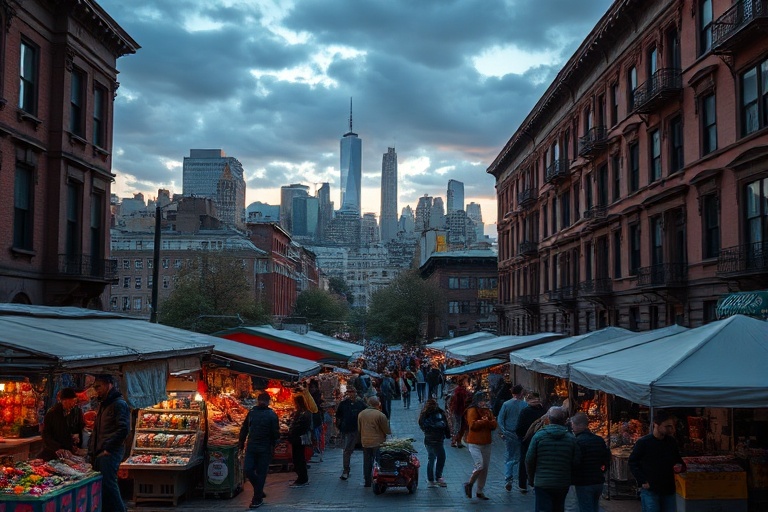
the boroughs
“`html
The Boroughs: New York City’s Distinctive Neighborhoods and Their Evolving Identities
The five boroughs of New York City—Manhattan, Brooklyn, Queens, The Bronx, and Staten Island—each possess a distinct character shaped by history, demographics, and urban development. While Manhattan often steals the spotlight, the outer boroughs have undergone remarkable transformations in recent decades. These shifts reflect broader trends in urban living, economic opportunity, and cultural identity across the city.
The Bronx: From Burnout to Renaissance
The Bronx has long been misrepresented as a place of urban decay, a stereotype perpetuated by media portrayals in the 1970s and 1980s. Yet today, it stands as a testament to revitalization. The borough’s resurgence began with grassroots movements like the hip-hop culture that emerged from its streets, and has since expanded into a broader cultural and economic renaissance.
Affordable housing, once a liability, has become an asset as artists, musicians, and young professionals move into neighborhoods like Mott Haven and Concourse. The Bronx’s industrial zones are being repurposed into creative hubs, with spaces like Industry City in Sunset Park serving as incubators for small businesses and startups. This transformation underscores a critical point: urban renewal doesn’t always follow a top-down model. Often, it begins with community-driven initiatives that gradually attract wider investment.
The Bronx is also home to Yankee Stadium and the New York Botanical Garden, cultural landmarks that draw visitors from across the city. These institutions, combined with a growing food scene—think Hunts Point Market and Arthur Avenue’s Little Italy—position the borough as a destination, not just a commuter stop.
Brooklyn: The Creative Engine of the City
Brooklyn’s reputation as New York’s creative capital is well-earned. Neighborhoods like Williamsburg and DUMBO have become synonymous with innovation, from tech startups to artisanal food production. Yet Brooklyn’s identity is far more diverse than its trendy veneer suggests. The borough’s population of over 2.7 million includes a rich mix of cultures, from Caribbean communities in Flatbush to Orthodox Jewish enclaves in Borough Park.
This diversity is reflected in Brooklyn’s economy. The borough is no longer just a bedroom community for Manhattan; it’s a standalone economic powerhouse. Industries like film production, tech, and biotech have found a foothold in Brooklyn, thanks in part to initiatives like the Brooklyn Navy Yard’s expansion. The Navy Yard, once a symbol of industrial decline, now houses over 300 companies and employs thousands, proving that adaptive reuse can drive economic growth.
The borough’s cultural institutions also play a pivotal role. The Brooklyn Museum and Brooklyn Academy of Music (BAM) attract global audiences, while local venues like the Barclays Center host everything from NBA games to underground music festivals. Brooklyn’s ability to blend tradition and innovation makes it a microcosm of New York City itself—dynamic, fragmented, and endlessly fascinating.
Queens: The World in One Borough
Queens is the most ethnically diverse urban area in the world, a fact that shapes its neighborhoods, cuisine, and cultural landscape. From the sizzling halal carts of Midtown to the quiet streets of Douglaston, Queens offers a patchwork of experiences that reflect its global population. Nearly half of its residents are foreign-born, with large communities from China, Colombia, Bangladesh, and Greece calling the borough home.
This diversity is a major asset. Flushing’s Chinatown is one of the largest in the country, while Jackson Heights is a hub for South Asian and Latin American businesses. The borough’s food scene is unparalleled, with everything from authentic Thai curries in Elmhurst to Ecuadorian ceviche in Corona. Queens’ diversity isn’t just cultural; it’s economic. The borough’s job market spans everything from healthcare (thanks to institutions like Mount Sinai Queens) to aviation (JFK and LaGuardia airports employ thousands).
Yet Queens faces challenges. Gentrification in Long Island City and Astoria has driven up rents, pushing out some long-time residents. The borough’s aging infrastructure, particularly its subway system, lags behind demand. Still, Queens’ resilience is evident in its grassroots organizations, which advocate for affordable housing and better public transit. The borough’s future will depend on balancing growth with inclusivity, ensuring that its unique character isn’t eroded by development.
Staten Island: The Underrated Borough
Staten Island is often overlooked in favor of its more glamorous neighbors, but it offers a quieter, more suburban alternative to the city’s hustle. With nearly 475,000 residents, it’s the least densely populated borough, a fact that contributes to its relaxed atmosphere. The Staten Island Ferry, a free ride with stunning views of the Statue of Liberty and Lower Manhattan, is one of the city’s most underrated attractions.
The borough’s history is deeply rooted in agriculture and maritime trade. Areas like Historic Richmond Town preserve this past, offering a glimpse into 17th-century life. Yet Staten Island is also a place of reinvention. The North Shore, once an industrial area, is now home to the Empire Outlets, a shopping destination designed to attract tourists and locals alike.
Staten Island’s challenges are significant, particularly in areas like the South Shore, where poverty rates are high and access to healthcare is limited. The borough’s isolation—both physical and psychological—has led to calls for better infrastructure, including the long-debated Staten Island Bus Rapid Transit system. Despite these issues, Staten Island’s sense of community remains strong, with local events like the Staten Island Yankees games drawing loyal crowds.
The Future of the Boroughs: Challenges and Opportunities
The boroughs are at a crossroads. On one hand, they offer unparalleled opportunities for economic mobility, cultural expression, and urban living. On the other, they face pressures from gentrification, climate change, and infrastructure strain. The COVID-19 pandemic accelerated these trends, with remote work enabling more people to leave Manhattan for the outer boroughs. Yet this shift has also highlighted inequities, particularly in access to healthcare, education, and public services.
Several key trends will shape the boroughs’ future:
- Housing Affordability: The demand for housing in Brooklyn, Queens, and parts of the Bronx has driven up prices, pushing long-time residents out. Solutions like community land trusts and inclusionary zoning could help preserve affordability.
- Climate Resilience: The boroughs are vulnerable to flooding and extreme weather. Projects like the Big U, a protective system around Lower Manhattan, could serve as a model for other areas.
- Transit Equity: The subway system, while extensive, often fails to serve outer-borough neighborhoods equitably. Expanding bus rapid transit and improving accessibility could bridge this gap.
- Economic Diversification: The boroughs are no longer just bedroom communities. Investing in local industries—from tech to manufacturing—could create jobs and reduce reliance on Manhattan.
Ultimately, the boroughs’ strength lies in their diversity. Each offers something unique, whether it’s Brooklyn’s creative energy, Queens’ global flavor, or Staten Island’s suburban charm. Preserving this diversity will require intentional policies that prioritize equity and sustainability. The boroughs aren’t just supporting players in New York City’s story; they’re the heart of its future.
The boroughs remind us that New York City isn’t a monolith. It’s a mosaic of neighborhoods, each with its own rhythm, challenges, and opportunities. As the city continues to evolve, the boroughs will play a crucial role in defining what urban life looks like in the 21st century.
—
METADATA
{
“title”: “How NYC’s Boroughs Are Redefining Urban Life Beyond Manhattan”,
“metaDescription”: “Explore the distinct identities of NYC’s five boroughs and their evolving roles in the city’s future.”,
“categories”: [“Travel”, “Culture”],
“tags”: [“New York City boroughs”, “urban development”, “Brooklyn renaissance”, “Queens diversity”, “Staten Island future”],
“imageDescription”: “Aerial view of New York City’s five boroughs at dusk, highlighting the skyline of Manhattan contrasted with the greenery of Staten Island and the waterfront of Brooklyn. The image captures the diversity of urban and natural landscapes across the boroughs, with warm lighting from street lamps and buildings.”
}
—END METADATA—
“`