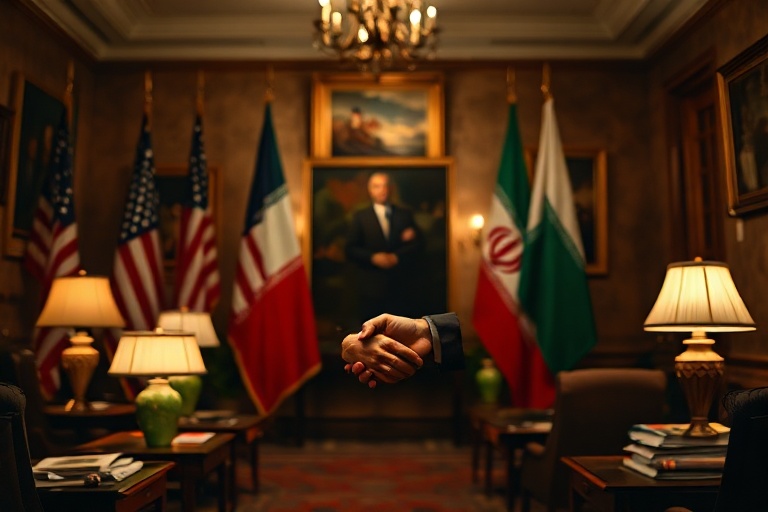
The recent US-Iran agreement, brokered after months of indirect negotiations, represents a fragile step toward easing tensions in the Middle East. While the deal focuses on limited prisoner exchanges and sanctions relief, its broader implications extend beyond immediate diplomatic gains. For observers tracking global geopolitics, this agreement signals both cautious optimism and lingering skepticism about the durability of such arrangements.
The agreement’s structure reflects the complex realities of US-Iran relations. Neither side has fully restored trust, yet each recognizes the cost of perpetual confrontation. This dynamic mirrors historical patterns in Middle Eastern diplomacy, where agreements often serve as temporary pauses rather than permanent resolutions.
The Historical Context of US-Iran Relations
Decades of hostility define the backdrop of this agreement. The 1979 Iranian Revolution severed diplomatic ties, and subsequent crises—including the hostage situation and nuclear standoffs—deepened mutual distrust. Even after the 2015 Joint Comprehensive Plan of Action (JCPOA), which temporarily eased sanctions, the relationship remained volatile.
The JCPOA’s collapse under the Trump administration demonstrated how quickly diplomatic progress can unravel. Iran’s gradual resumption of nuclear activities since 2018 underscored the fragility of such deals when political winds shift. The current agreement, therefore, must be viewed through this lens of cyclical tension and fragile compromise.
Key milestones in US-Iran diplomacy include:
- The 1981 Algiers Accords, which resolved the hostage crisis but left deeper issues unresolved.
- The 2015 JCPOA, which temporarily curbed Iran’s nuclear program in exchange for sanctions relief.
- The 2020 assassination of Iranian General Qasem Soleimani, which escalated tensions to near-conflict levels.
- The 2023 prisoner swap, which signaled a willingness to engage despite broader disagreements.
What the Agreement Actually Entails
The latest US-Iran agreement centers on two primary components: prisoner exchanges and limited sanctions relief. Five American detainees in Iran are set to return home, while Iran secures the release of several of its nationals imprisoned in the US. This exchange, while modest, carries symbolic weight by demonstrating a willingness to engage.
Sanctions relief, though restricted in scope, provides Iran with some economic breathing room. The agreement allows for limited oil exports and unfreezing of certain frozen assets, but it stops short of full sanctions removal. This cautious approach reflects both sides’ reluctance to make sweeping concessions without guarantees.
Analysts note that the agreement avoids addressing contentious issues like Iran’s ballistic missile program or regional influence. Instead, it focuses on immediate humanitarian concerns, leaving broader geopolitical disputes for future negotiations. This incremental strategy may prevent immediate collapse but risks leaving critical issues unresolved.
Global Reactions and Regional Implications
The agreement has drawn mixed reactions from global powers. European nations, which have long advocated for diplomacy, cautiously welcomed the deal as a step toward stability. However, regional rivals like Saudi Arabia and Israel have expressed skepticism, fearing that US concessions could embolden Iran without addressing its regional ambitions.
In the Middle East, the agreement’s reception varies by country. Some nations, such as Iraq and Oman, have praised the deal as a positive development. Others, particularly those aligned with US interests in the Gulf, view it as a potential threat. This divergence highlights the complex web of alliances and rivalries shaping the region’s geopolitics.
For the Biden administration, the agreement represents a delicate balancing act. Domestic critics argue that it does not go far enough in pressuring Iran, while international partners urge further engagement. The deal’s success may hinge on whether it can build momentum for broader negotiations or merely serve as a temporary respite from conflict.
The Road Ahead: Challenges and Opportunities
While the agreement offers a glimmer of hope, significant obstacles remain. Iran’s nuclear program continues to advance, raising concerns about its long-term intentions. Meanwhile, domestic political pressures in both the US and Iran could derail further progress. In Iran, hardliners may resist any perceived concessions, while in the US, political opposition could undermine diplomatic efforts.
For the agreement to have lasting impact, it must be part of a broader strategy that addresses the root causes of US-Iran tensions. This could include renewed negotiations on the JCPOA, confidence-building measures, and efforts to reduce proxy conflicts in the region. However, given the history of failed agreements, such ambitions remain tentative at best.
Looking beyond the immediate deal, the US-Iran relationship remains a critical flashpoint in global politics. The Middle East’s stability depends on whether these two nations can find a sustainable path forward—or whether they remain trapped in cycles of confrontation and temporary truces. For now, the agreement offers a pause, but the journey toward lasting peace remains arduous.
As the world watches, the success or failure of this agreement may set the tone for future diplomatic efforts. Whether it becomes a model for engagement or another cautionary tale will depend on the choices made in the coming months. One thing is certain: the stakes could not be higher.